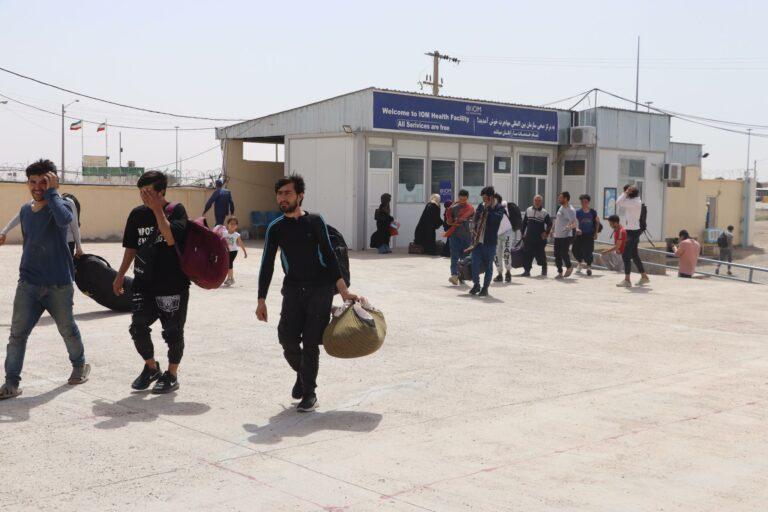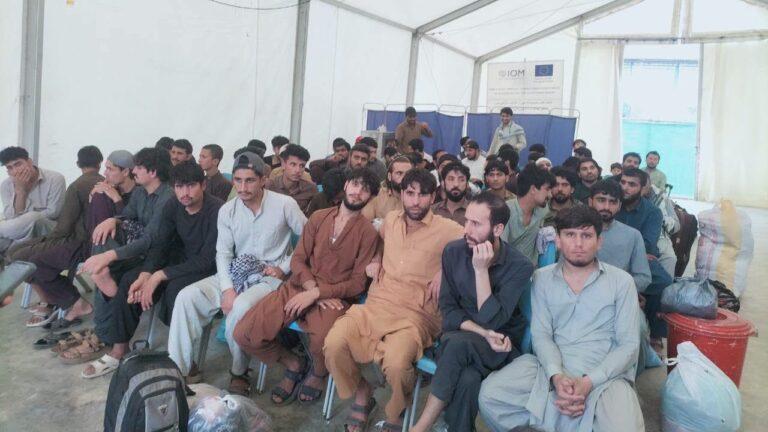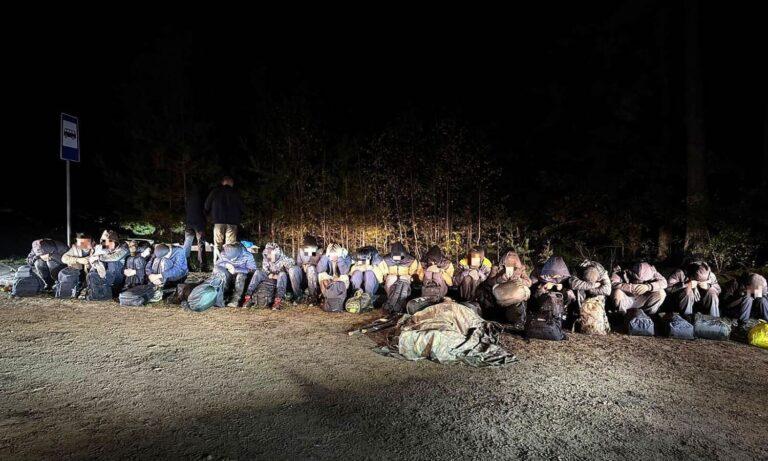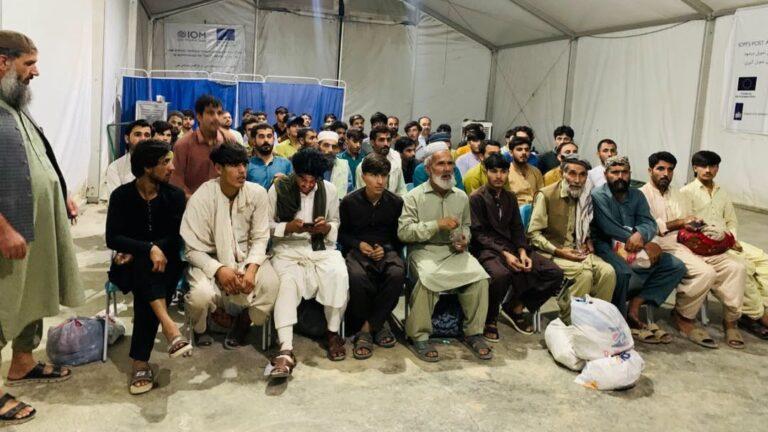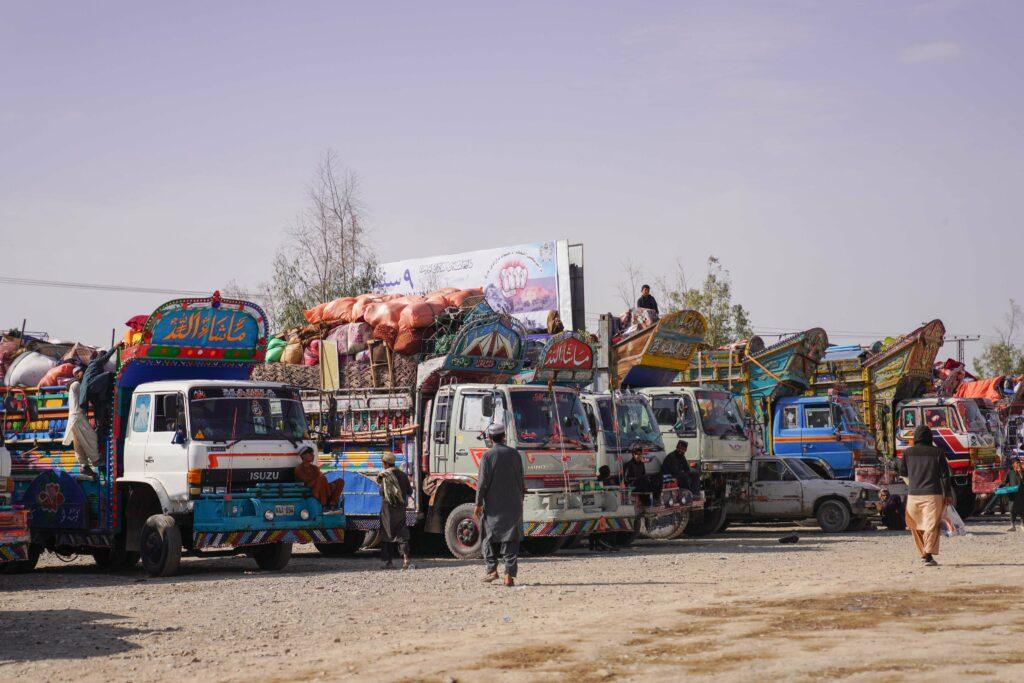

KABUL (Pajhwok): About 104 families, comprising 448 people, returned to Afghanistan from neighbouring Iran and Pakistan, an official said on Sunday.
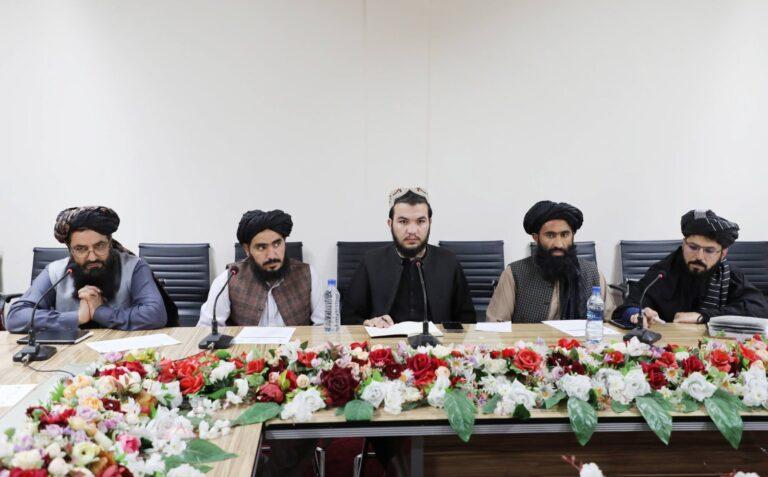
Mullah Hamdullah Fitrat, deputy spokesman for the Islamic Emirate of Afghanistan (IEA), shared the commission’s report on his X account.
According to the report, 28 families, comprising 138 people, returned through the Torkham crossing and were registered.
The commission said 25 families, comprising 112 people, were transferred from Torkham to various provinces, with 86,970 afghanis paid to cover their transport costs.
A total of 232,000 afghanis in cash assistance was provided to 29 families at Torkham. Health and telecommunications services were also provided, the report said.
Meanwhile, 11 families, comprising 51 people, returned through the Spin Boldak crossing in Kandahar province.
Of these, 10 families, comprising 45 people, were transferred to various provinces, with 99,200 afghanis paid to cover their transport costs.
The report added that 92,000 afghanis in cash assistance was provided to 11 families at Spin Boldak. Food, health and telecommunications services were also made available.
According to the report, 56 families, comprising 225 people, returned through Pul-i-Abresham in Nimroz province. Another 930 passengers also returned to Afghanistan through the crossing.
A total of 14,000 afghanis in cash assistance was provided to two families at Pul-i-Abresham. Food, health and telecommunications services were also provided to them.
Similarly, nine families, comprising 34 people, returned through the Islam Qala crossing in Herat province. The nine families received a total of 64,000 afghanis in assistance.
Meanwhile, the Transport and Transfer Committee in Kabul transferred eight families, comprising 30 people, to various provinces and paid 23,650 afghanis to cover their transport costs.
Overall, 104 families, comprising 448 people, returned to Afghanistan, while 43 families, comprising 187 people, were transferred to various provinces.
Assistance was provided to 51 families, and 43 SIM cards from telecommunications networks were distributed, the report said.
hz