The National Statistics and Information Authority (NSIA) says that 447,000 metric tons of rice were produced across Afghanistan in the current solar year 1404, representing a two per cent increase compared to the previous year.
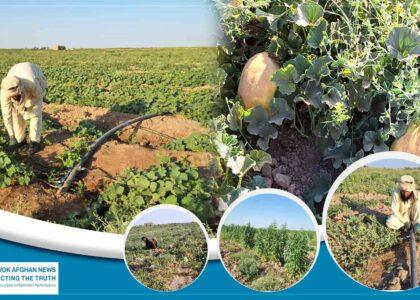
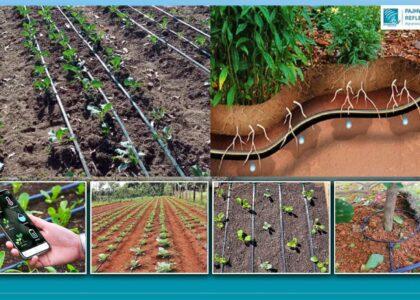
About 500 greenhouses have been equipped with the drip irrigation systems in northern Jawzjan province so far this year, with farmers saying their yields have increased manifold.
Experts and experienced farmers say the drip irrigation system should be promoted to irrigate large areas with minimal water, and they urge the government and aid agencies to raise public awareness in this regard and provide farmers with the necessary support.
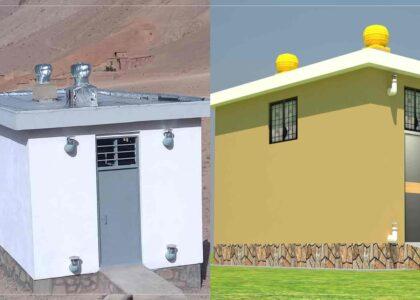
The United Nations Food and Agriculture Organisation (FAO) will construct 120 zero-energy cold storage units for onions in six provinces of Afghanistan with financial support from the World Band (WB).
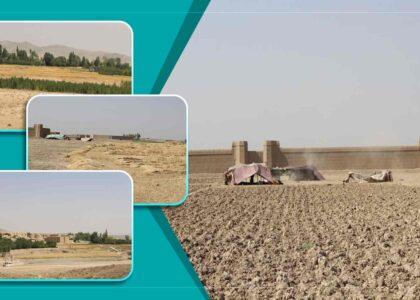
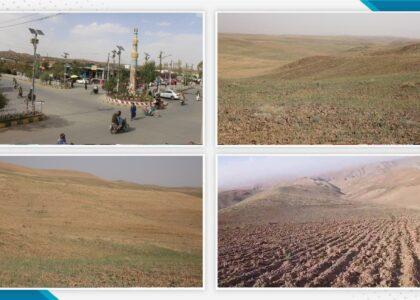
Some residents and farmers in Jaghatu district of central Maidan Wardak province say severe drought has destroyed their crops and left them struggling for water. They are urging the government to build dams to address the crisis.
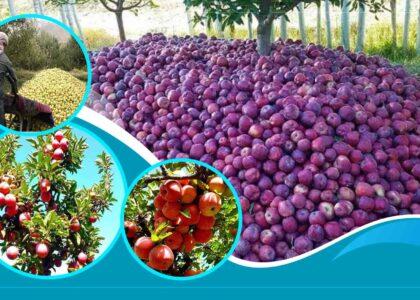
Apple yield in central Logar province are expected to reach 19,000 metric tons this year — a nearly five percent increase compared to last year’s harvest.
The Ministry of Agriculture, Irrigation and Livestock says $192 million was invested in the agricultural sector by national and international institutions, and 235 investors were provided with investment opportunities worth over 1.4 billion afghanis last year.
The Agriculture Department in southern Kandahar province says the United Nations Food and Agriculture Organization (FAO) is constructing 15 cold storage facilities in two districts of the province at a cost of $200,000.
Acute drought in parts of Afghanistan has psychologically impacted farmers who face serious economic hardships; with some even forced to leave their areas. They are urging the government and the international community for help.
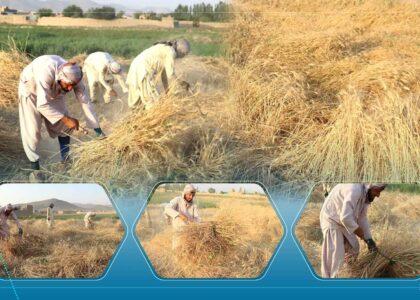
A number of farmers in southern Ghazni province say their wheat yields significantly declined this year due to drought, calling on the government and aid organisations to provide them with drought-resistant seeds and other forms of support.
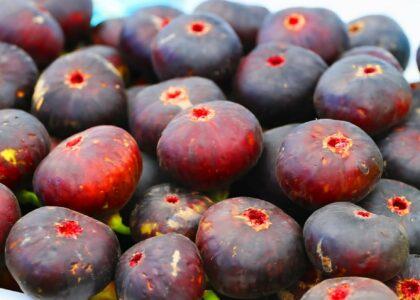
Some gardeners in western Herat province say figs, especially yellow variety, has yielded good harvests, showing a 10 percent increase, and asked the government to support them in expanding cultivation and exporting fruits.
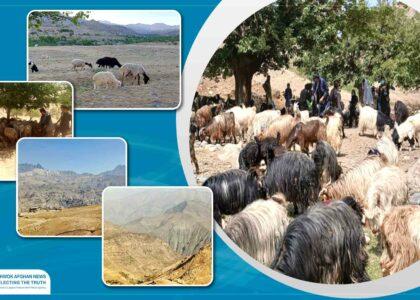
In the barren plains and treeless slopes of Daikundi’s mountains—where lush pastures once sustained thousands of livestock—a different picture of rural life is now painted: hungry herds and desperate herders.
Climate change and consecutive droughts have led to drying of agricultural lands in some parts of western Ghor province, rendering them barren and leaving many farmers in the region struggling to provide for their families.









GET IN TOUCH
NEWSLETTER
SUGGEST A STORY
PAJHWOK MOBILE APP