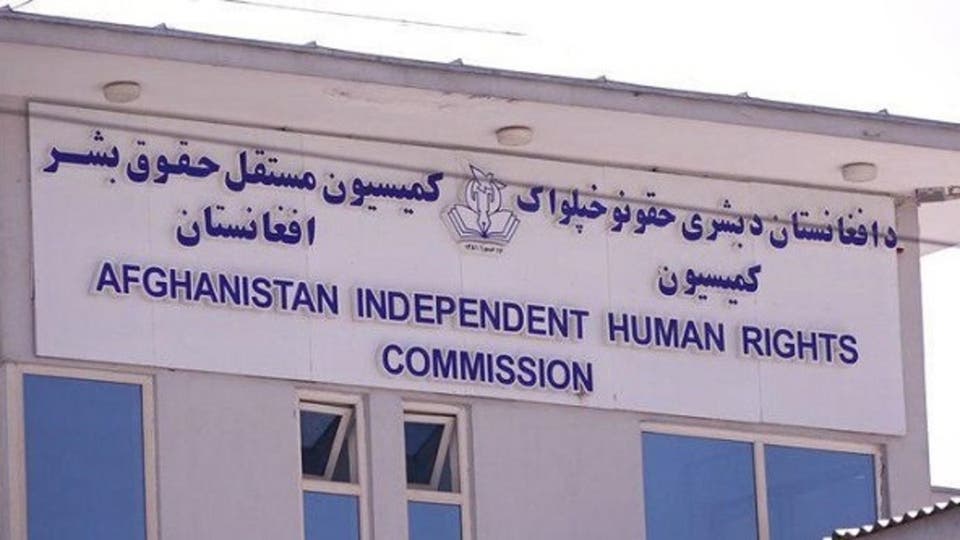
KABUL (Pajhwok): The Afghanistan Independent Human Rights Commission (AIHRC) says the peace process has not yet been able to satisfy the public and the commission and that achieving peace seems unclear.
AIHRC said this in a press release published on the commission’s 19th anniversary.
AIHRC has called the war a major challenge to consolidating democracy and manifestation of democratic and human rights values in the country and believes that peace talks paved grounds for ending war and achieving inclusive, just and lasting peace in the country.
Officials at AIHRC said the peace process has not yet satisfied the public or the commission.
“Violence has not abated, the necessary trust has not been established between the parties involved, the prospects for peace remain unclear and the human rights position in the talks has not lived up to the commission’s expectations,” said AIHRC officials.
The statement said AIHRC considers the preservation of the Constitution, values and democratic achievements of Afghans, women’s rights and the provision of justice for war victims as important for achieving an inclusive peace and recommends that women’s participation in peace talks must be increased from nine percent to at least 30 percent.
According to the statement, the commission has also made proposals to the government, Taliban and international community in a document titled “Observing women’s political and social participation, their concerns and demands in the peace negotiation process”.
The documents call on the Afghan government as the main executor to increase the political and meaningful presence of women in peace talks, and that women must play a role as mediators and signatories in the negotiations.
The source said the commission, in the document, has called on the Taliban to respect women’s rights as enshrined in the Afghan constitution.
In another part of the document, the commission has demanded the Taliban of immediate cessation of the killing and desert trial of women, the protection of girls’ right to education, ban of attacks on education facilities including schools and education staff.
Similarly, the document calls on the International community to act beyond mere condemnation and to put on its agenda the principle of its responsibility to protect fundamental human rights treaties.
Hr/ma
GET IN TOUCH
NEWSLETTER
SUGGEST A STORY
PAJHWOK MOBILE APP