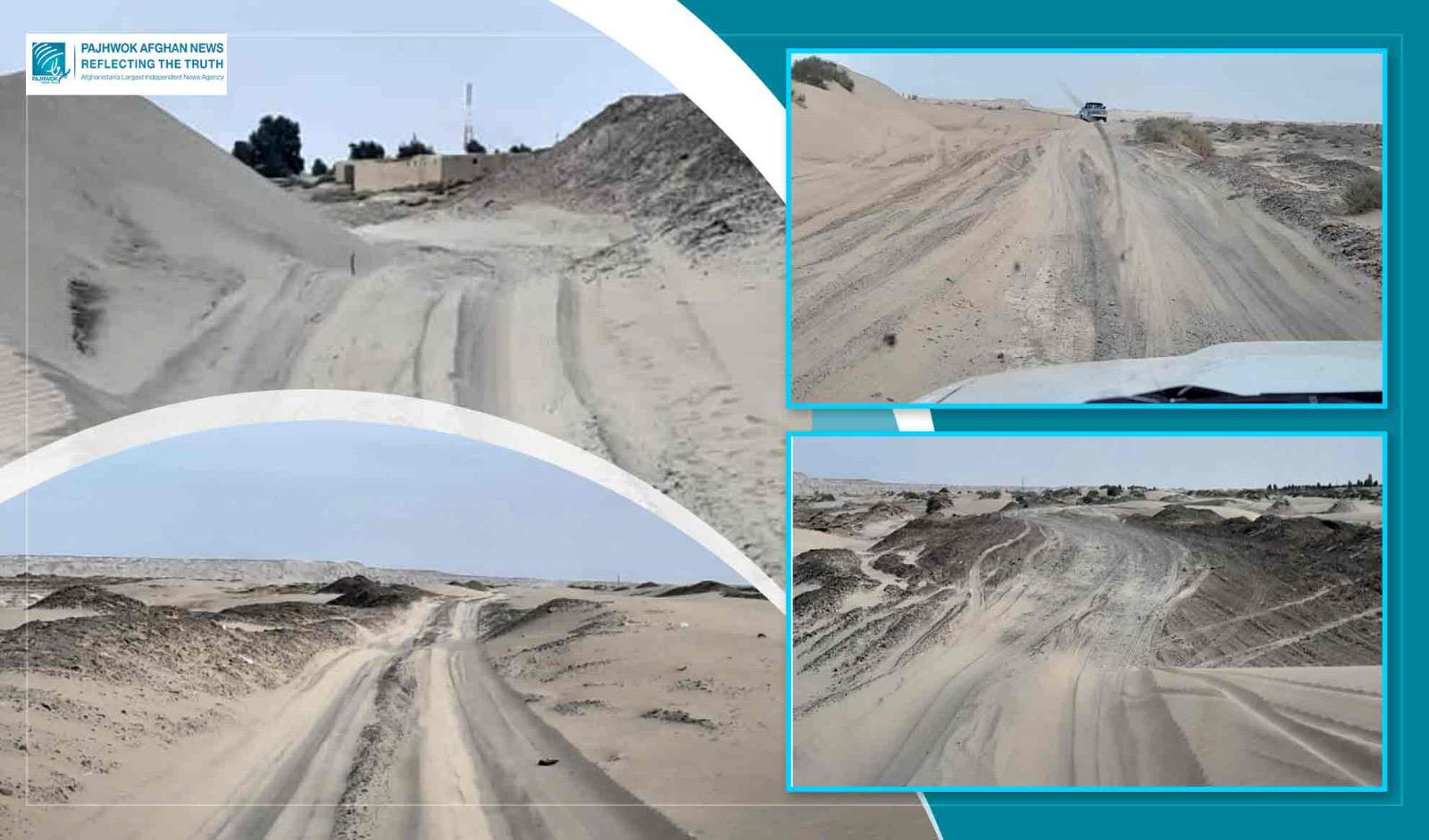
ZARANJ (Pajhwok): Residents of remote villages in the Chahar Burjak and Khashrod districts of southwestern Nimroz province say the lack of standard roads, limited healthcare services and long distances to schools have made daily life increasingly difficult, with some claiming patients have died while being transported to medical centres.
A Pajhwok Afghan News reporter interviewed a number of residents in the two districts.
Difficult roads, limited access to healthcare
Fatima, a resident of Haji Amir village in ChaharBurjak district, complained about the long distance to the nearest health centre and recounted a painful experience.
“The clinic is 30 kilometres away from us. There is no proper road, we are poor people and do not have transport,” she said. “By the time we found a rickshaw to take my daughter-in-law to the clinic for childbirth, the road was extremely rough. Due to the severe jolts and pain during the journey, her condition worsened. She bled for about an hour on the way and miscarried.”
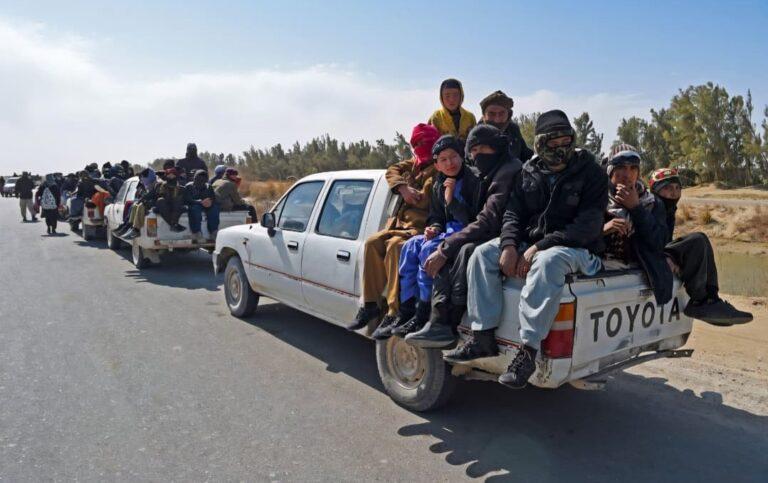
Residents in Khashrod district described similar hardships. They said in one incident, a child suffering from pneumonia died while being transported to a clinic because of the long distance and lack of transportation facilities.
Muslim Rahmani, a resident of Tagrish village in the district, said remote areas lacked even the most basic public services, including roads, schools and healthcare facilities.
According to him, Tagrish and nearby villages are among the most deprived areas of the district, where only one clinic with limited facilities is available.
He added that roads in the area were unpaved and substandard and became severely damaged during the rainy season, making travel and the transportation of patients extremely difficult.
Arif, a resident of Chahar Burjak district, also said many villages lacked basic infrastructure.
According to him, much of the road between the district centre and Zaranj city remained unpaved and travel was severely disrupted during rainfall.
Education; long distances to schools
Mohammad Arif, a resident of Lolangi village in Chahar Burjak district, said the area had received little government attention over the years.
He said around 20 schools had been registered across the district, but only 11 were currently active, while several others were either inactive or facing severe shortages of teachers and educational facilities.
Arif also expressed concern about the condition of a middle school in Lolangi village.
“This school is currently active only up to grade six,” he said. “During the previous government, several teaching positions existed there and contract teachers also taught on a wage basis. However, after staff reductions in government departments, all teaching positions at the school were removed, and now only the school principal remains, who is forced to handle both teaching and administration in two shifts.”
Analysts
Mohammad Rasool, a social activist in Chahar Burjak, said the absence of bridges and culverts in some areas multiplied people’s difficulties during the rainy season.
According to him, although several health centresoperated in the district, the long distances between villages and these facilities had significantly limited residents’ access to healthcare services.
Meanwhile, Abdullah Barak, a development affairs expert, said the problems facing remote areas of Nimroz extended beyond a single sector.
He said a combination of poor infrastructure, limited education and inadequate healthcare services had left these areas in prolonged deprivation.
Without the construction of standard roads, sustainable access to essential services would remain impossible, he added.
Promises by local officials
Saifullah Mohammadi, head of the Nimroz governor’s office, said plans had been prepared for 1405 to address challenges in remote areas.
He said road reconstruction, the establishment of new health centres and the expansion of educational services were included in the plans, while some organisations had pledged cooperation.
Mohammadi said the local administration was trying to prioritise remote villages lacking basic services in development programmes and that practical plans had been prepared for the reconstruction of damaged roads in some districts.
Regarding healthcare, he said that with the cooperation of Médecins du Monde, two new health centresfocused on child nutrition and women’s health had recently been planned and would begin operating in the near future.
He also said the local administration had submitted specific proposals to the Ministry of Education to expand educational services in deprived areas and had held several meetings with the Department of Economy, aid organisations and charitable foundations.
Aid organisations had also pledged to cooperate with the government this year in education, reconstruction, public health and other service sectors to help extend services to deprived areas, he added.
kk/sa