
ZARANJ (Pajhwok): While many families consider dowry a part of marriage traditions, accounts from women and young people in southwestern Nimroz province show that this practice has, for some, turned into a cycle of debt, migration, domestic violence and family disputes — a situation experts have also warned about.
Dowry refers to money or property given by the groom’s family to the bride’s family, usually considered part of the wedding expenses or the “price” of the bride.
In many parts of Afghanistan, including Nimroz province, the groom’s family is required to pay a dowry to the bride’s family in addition to wedding expenses.
Although some families consider this practice part of their traditions and a way to cover some costs of their daughters’ marriages, some young people and women say it sometimes leaves them struggling with years of debt, migration and family problems.
In Nimroz, the amount of dowry varies among families, but it usually ranges between 300,000 and 1.5 million afghanis.
Stories of women affected by excessive dowry payments
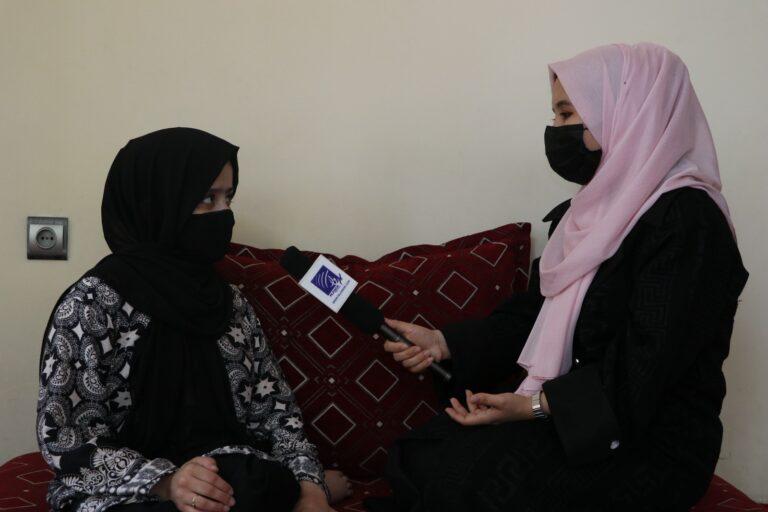
Mahjabin, 23, a resident of Zaranj city, is among women who say their married lives began under the shadow of heavy dowries.
She recalled that her husband worked as a labourer in Iran for seven years to collect 1.5 million afghanis for the dowry and wedding expenses. However, instead of becoming the beginning of a peaceful life, the marriage was accompanied by family problems and violence.
“My husband worked as a labourer in Iran for seven years to find the money for the dowry. When we got married, he returned to Iran for work and I stayed at his family’s home,” she told Pajhwok.
Mahjabin explained that in her husband’s absence, she was forced to carry out all household chores alone, from baking bread to looking after livestock, and was not even allowed to visit her parents without permission from her husband’s family.
With tears in her eyes, she added: “I was beaten many times by my husband’s family. If my family had thought about my future instead of demanding a heavy dowry, perhaps my life would not have turned out this way.”
About two months ago, her husband returned from Iran and she moved back to their shared home; however, she said family problems were still continuing.
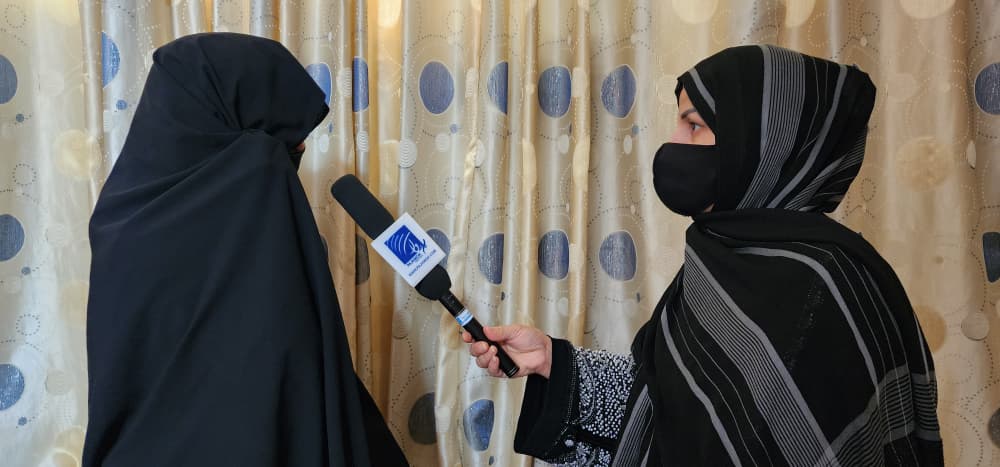
Mahjabin was not the only woman whose life had been overshadowed by debt and violence because of a heavy dowry. Shabnam, another resident of Zaranj city, recalled: “I was 14 years old when my father engaged me to one of our relatives in exchange for 800,000 afghanis. My fiancé worked as a labourer in Iran for six years to provide the dowry. When he could no longer work, my father reduced 100,000 afghanis and took 700,000 afghanis; however, throughout those years, he was not even allowed to see me.”
According to Shabnam, despite two years having passed since their marriage, her husband had still been unable to repay wedding debts and the financial pressure increased family tensions every day.
“Whenever creditors call and ask for their money, my husband beats me. Last year, because of severe beatings, I lost my eight-month pregnancy,” she stated.
She added that financial problems had deprived her of even basic medical services.
Shabnam, who said her husband could not afford her medical expenses, explained: “I suffer from pain day and night, but nobody takes me to a doctor. My mother-in-law says whatever my son earns must be spent on paying the wedding debts.”
According to her, worries about debt had taken away peace from their married life.
“Sometimes neither I nor my husband sleep until morning; he thinks about the debts, and I think about what argument will happen tomorrow,” she added.
Shabnam revealed that she secretly borrowed 100,000 afghanis from her sister to help her husband and pay part of their wedding debts.
In search of money for the dowry
Abdul Qayum, a 30-year-old man who became engaged five years ago, said he had still been unable to hold his wedding ceremony because his fiancée’s family had demanded one million afghanis as dowry.
“For five years, I have worked day and night. I worked as a labourer in Iran for three years, was deported and went back again. Whatever money I earn is either spent on daily expenses or goes towards the dowry. I am still short of nearly 300,000 afghanis. The girl’s family says that until the full amount is paid, there will be no permission for the wedding,” he explained.
With a deep sigh, Abdul Qayum added: “I wish this tradition did not exist. I would now have a married life and perhaps even two children. With every passing day, my mental pressure increases.”
He noted that many young people were forced to migrate because of high dowry demands. In his view, most of them did not go to Iran for leisure but migrated to arrange money for the dowry and living expenses; a journey that sometimes lasted for years and, in some cases, did not even lead to marriage.
He urged families to abandon harmful customs and traditions so that the lives and futures of young people were not sacrificed because of such practices.
A father: Receiving a dowry is a tradition inherited from our elders
Abdullah Yousufi, a resident of Zaranj city, considered receiving a dowry the right of parents.
“We have the tradition of receiving a dowry. This tradition has been inherited from our fathers and elders, and we consider ourselves obliged to follow it,” he said.
He explained: “Since the day my daughter was born, I have worked hard for her. I have paid for her clothes, food, education and other needs. Now that the time for her marriage has arrived, I do not have the financial ability to provide all the household items and other necessities she needs for her new life. Therefore, I have no choice but to receive the dowry so that I can use that money to prepare the required items for the bride.”
Experts: Easier marriages lead to happier family lives
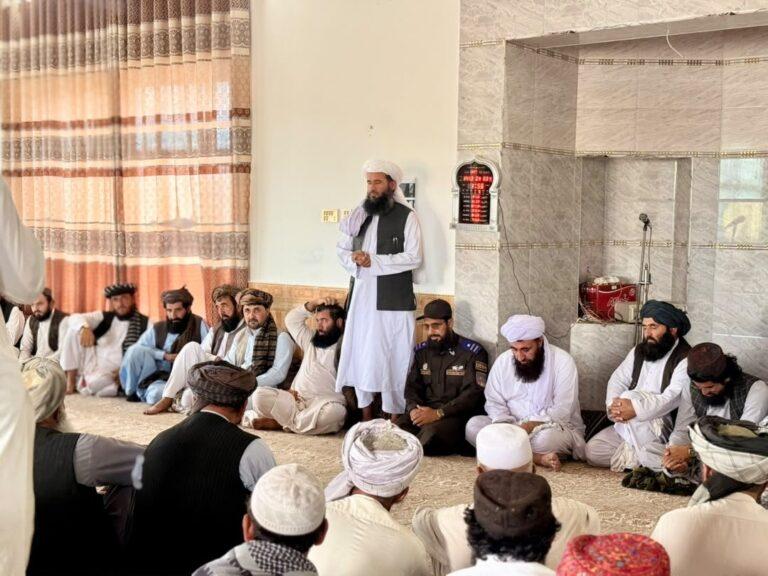
Mawlawi Gul Ahmad Ahmadi, a religious scholar and tribal elder in Nimroz, believes Islam has always encouraged people to make marriage easier and does not support expensive wedding ceremonies.
He explained: “Islam is a religion of ease, and in all matters, its instructions are aimed at making people’s lives easier. Excessive dowry payments and high wedding costs are rejected from an Islamic perspective and have no place. These are only wrong customs that have emerged from competition and rivalry among people, and they have ruined the lives of young people. A young man remains unmarried for years because of the demands of the bride’s family or works as a labourer in Iran and becomes a migrant; this creates psychological pressure on that young man.”
Referring to a saying of the Prophet of Islam (PBUH), he added: “The best marriages are those that are the easiest.”
Mawlawi Ahmadi further explained that, from an Islamic perspective, marriage is a sacred agreement based on the consent of both sides, good morals and the establishment of a family. He noted that these three principles form the foundation of a peaceful and successful life.
Referring to other common traditions in some parts of the country, he stated: “In addition to wedding expenses and dowry payments, celebrations, Eid gifts, New Year gifts and iftar gatherings, which are based on competition, have become a heavy burden for young people and are another pressure placed on the shoulders of the groom.”
Having worked through tribal councils to resolve social and family issues, he added: “I have resolved dozens of divorce and domestic violence cases that occurred because of these high expenses, dowry payments and wedding costs, and which had brought couples’ lives to the point of separation.”
He called on families to avoid excessive spending during their children’s marriages.
Meanwhile, Dr. Farid Ahmadi, a psychologist in Nimroz, explained that starting married life with debt and financial pressure was one of the main factors behind increasing tensions between couples.
“When couples begin their lives with heavy debts, their mental peace is affected from the very beginning. The man becomes involved in repaying debts, while the woman also faces economic pressures and family expectations; a situation that increases the likelihood of arguments, domestic violence, depression and even divorce,” he noted.
Ahmadi urged families to consider the groom’s financial ability and their children’s future instead of setting high dowry amounts and engaging in competition.
He stressed: “The simpler a marriage begins, the greater the possibility of its continuation and satisfaction with married life will be; however, living under the burden of debt and stress gradually damages the emotional relationship between couples.”
kk