
KABUL (Pajhwok): Several countries have emphasised the importance of protecting women’s rights and maintaining the United Nations Assistance Mission in Afghanistan (UNAMA), while the United States called for a review of the mission’s effectiveness and costs.
At the same time, a number of countries underscored the need for continued engagement with Afghanistan and expanded regional cooperation.
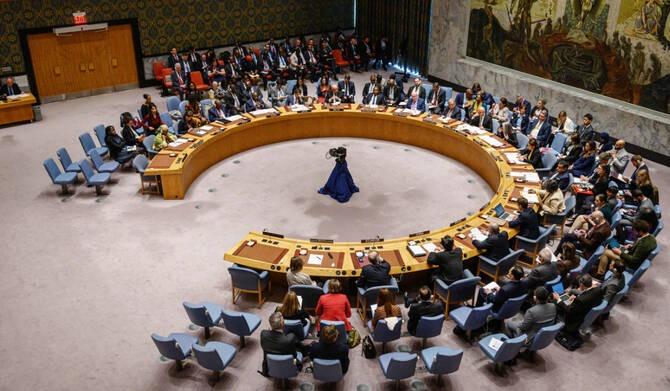
The United Nations Security Council (UNSC) held a meeting on Afghanistan on Monday at its headquarters in New York.
During the meeting, the US representative said the Islamic Emirate of Afghanistan’s (IEA) continued hard-line stance was prompting Washington to raise “serious questions” about the value of continued engagement and the use of international resources.
He added that UNAMA remained the United Nations’ most expensive special political mission and should be subjected to careful scrutiny.
According to him, all missions, including UNAMA, must deliver real value for money and any future renewal of UNAMA’s mandate should improve the mission’s effectiveness.
The Russian representative stressed the need for constructive engagement and said Afghanistan had come a long way and endured following the “irresponsible” withdrawal of foreign forces.
He praised UNAMA’s “mosaic approach”, which includes engagement with the Islamic Emirate on key issues such as diplomatic representation, sanctions relief, counter-terrorism and support for human rights.
The Russian representative also said some Western countries had failed to learn from past mistakes and were attempting to exert pressure on Afghanistan’s government.
The report said representatives of several countries, including Greece, also highlighted UNAMA’s important role.
The representative of Colombia, which holds the rotating presidency of the Security Council in June, said UNAMA’s presence facilitates dialogue, supports the Afghan people and contributes to a coordinated international response.
According to the report, Panama’s representative stressed the importance of maintaining a human rights-based approach in UNAMA’s mandate, while Denmark’s representative said the issue of women, peace and security must remain central to the UN’s engagement on Afghanistan.
Representatives of Bahrain, Britain, Lithuania and several other countries also expressed concern about the situation of women’s rights in Afghanistan.
On security issues, France’s representative said “certain terrorist groups” were active in Afghanistan, a claim previously rejected by the Islamic Emirate.
The representative of Liberia, speaking also on behalf of the Democratic Republic of the Congo and Somalia, said Afghan territory should not be used by “transnational terrorist organisations”.
This comes as Afghan officials have repeatedly stated that Afghan soil will not be used against any country.
On regional connectivity, Uzbekistan’s representative voiced support for UNAMA’s work and referred to efforts by Central Asian countries to strengthen regional connectivity, expand trade and improve economic integration.
The report said several speakers called for the appointment of a new head of UNAMA as soon as possible.
According to the report, China’s representative said Afghanistan had strengthened its engagement with international and regional partners in recent years and that dialogue should continue with a focus on building bridges and reducing differences.
Referring to the sharp decline in international support, he urged governments to lift sanctions on Afghanistan and called on traditional donors to increase their financial assistance.
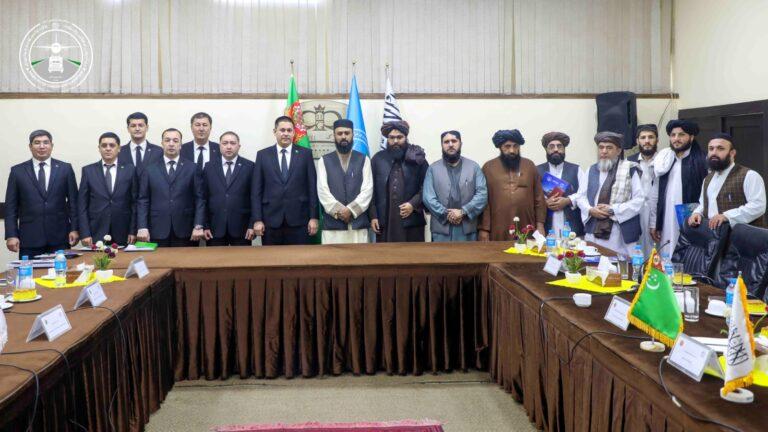
Turkmenistan’s representative said his country was pursuing several major infrastructure projects linked to Afghanistan, including electricity, railway, regional connectivity and the TAPI gas pipeline projects.
He added that such infrastructure and development projects always serve the people of a country rather than any particular regime or individual.
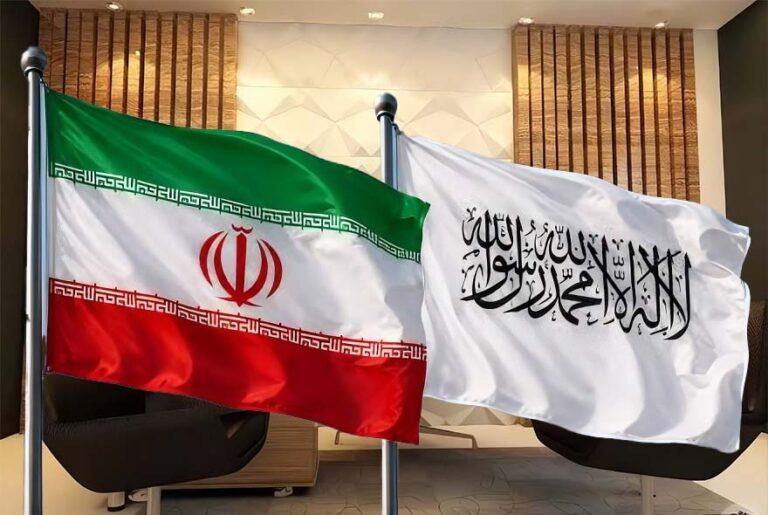
The report also said Iran’s representative expressed concern about recent tensions between Afghanistan and Pakistan and described the two countries as “brotherly neighbours”.
He said the threat posed by “terrorist groups” continued to affect Afghanistan and the wider region and stressed the importance of regional cooperation mechanisms and initiatives, including the Moscow Format and the Afghanistan Contact Group of the Shanghai Cooperation Organisation.
Referring to Iran’s long shared border with Afghanistan, the representative said Iran had hosted millions of Afghan citizens for decades and supported the extension of UNAMA’s mandate.
kk