
KABUL (Pajhwok): Coinciding with World Blood Donor Day, officials at the Central Blood Bank say the demand for blood in the country is increasing due to a rise in thalassemia patients, Congo fever cases and victims of accidents. Meanwhile, patients dependent on blood describe donors’ role as vital to saving their lives.
World Blood Donor Day is observed annually on June 14. The day, initiated by the World Health Organization (WHO), is dedicated to appreciating voluntary blood donors and raising awareness about the importance of safe and regular blood donation.
On the occasion, WHO issued a statement under the slogan “A drop of humanity; donate blood, save lives,” saying that blood donation is a symbol of solidarity and human responsibility and plays a critical role in saving the lives of patients, accident victims, women during childbirth, and people with chronic diseases.
The organization has called on countries to encourage voluntary and regular blood donation to ensure a safe and sufficient blood supply.
Pajhwok Afghan News prepared a special report on the occasion of World Blood Donor Day.
Central Blood Bank concerns over rising traffic incidents and thalassemia patients in Kabul
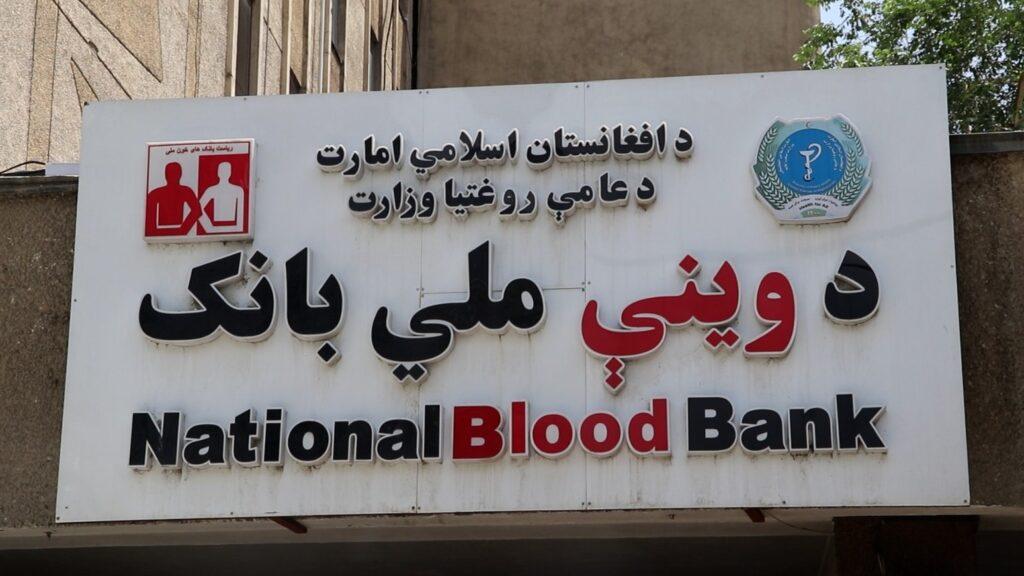
Dr. Niazgul Niazmand, head of the Central Blood Bank at the Ministry of Public Health, said around 250,000 cc of blood is collected annually across regional and provincial blood banks and distributed to patients when needed.
According to him, the need for blood is increasing year by year due to rising cases of thalassemia, Congo fever and accidents; however, the Central Blood Bank is striving to meet all requirements.
He said: “Thalassemia patients need blood two to three times every month. Likewise, patients undergoing surgery or those injured in traffic accidents require blood and blood products. Congo fever patients also urgently need blood. The blood bank tries to provide these needs on time.”
He added that in normal conditions, the Central Blood Bank provides services to around 100 to 150 people daily, but during major traffic incidents and emergencies, demand increases significantly and staff intensify their efforts to respond.
Blood bank appeal to citizens
The head of the Central Blood Bank said: “Blood donation can save the life of a patient or injured person. We ask our compatriots to visit blood donation centers when needed. We also request people with rare and negative blood groups to cooperate with blood banks during emergencies so we can save more lives.”
He added: “Some people believe that donating blood makes them weak or causes permanent illness, but blood donation does not cause any disease. A healthy person can donate blood three to four times a year.”
He further said the Central Blood Bank also issues appreciation certificates to donors to encourage citizens and motivate others to participate in this humanitarian act.
Dr. Saifullah Musleh, an internal medicine specialist in Kabul, also said blood donation is not harmful to healthy individuals, and if there is even a one percent risk, blood is not taken from the donor.
He highlighted the importance of donors, saying: “Voluntary donors truly assist us. Blood is life-saving for patients with leukemia and blood cancers, kidney failure, pregnant women, and victims of traffic accidents and natural disasters.”
A donor: I feel good; this blood may save another life
Lutfullah Hamasi, a resident of Paghman district in Kabul who donated blood for the third time, said blood donation benefits both the donor and those in need.
He added: “I feel good donating blood because it may save another person’s life.”
Life between blood and hope
Hasna, a 17-year-old girl suffering from thalassemia, says she has been receiving regular blood transfusions since she was seven months old. According to her, she visits the blood bank every 10 to 15 days to receive blood.
She expressed satisfaction with the services of the blood bank, saying: “Whenever we need it, they provide blood for us and we are satisfied with their services.”
Hasna said thalassemia has affected more than just her. One of her cousins and her brother also suffered from the disease and both passed away. She and another brother are currently battling the illness.
She added: “Whenever my blood level drops, I feel weak and sad, and I even want to sit in a room and just cry.”
Hasna, who has been taking medication for years, said in a tired voice: “I am tired of taking medicine and have lost interest in it.”
She expressed gratitude to her parents, saying: “May God reward my parents for all the efforts they have made for us over the years.”
Hasna, the eldest child in the family, also spoke with regret about her unfinished dreams. She studied only up to third grade due to health issues and the impact of her illness and was unable to continue her education.
Now she has only two wishes: for herself and her brother to recover. She also calls for greater attention to thalassemia patients and support for the treatment center where she is being treated.
Collection of blood for those in need
Mohammad Jan Mohammadi, a technical staff member at the Central Blood Bank, said three mobile blood collection teams are currently operating in areas including Aisha Durrani School, Kote Sangi and the underground city area of Kabul, where citizens regularly donate blood.
According to him, each mobile ambulance collects around 10,000 to 20,000 cc of blood daily. The collected blood is tested and screened at the Central Blood Bank before being distributed to patients in need.
He added that blood collection campaigns continue on a regular basis and specific criteria are followed for donors. Donors must be between 18 and 60 years old and at least three months must have passed since their last donation.
Mohammadi noted that before donation, individuals’ health status, medical history, medication use and blood pressure are checked, and after completing a special form, eligibility is determined.
sa