
KABUL (Pajhwok): More than 92,000 people have been affected by natural disasters across all 34 provinces of Afghanistan since the beginning of this year, the United Nations Office for the Coordination of Humanitarian Affairs (OCHA) says.
In its July humanitarian situation report, released on Sunday, OCHA said floods, flash floods, landslides and other weather-related disasters had caused deaths and damaged homes and livelihoods across the country.
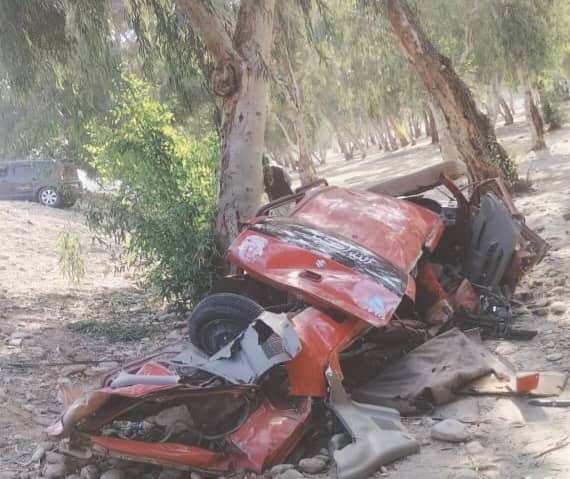
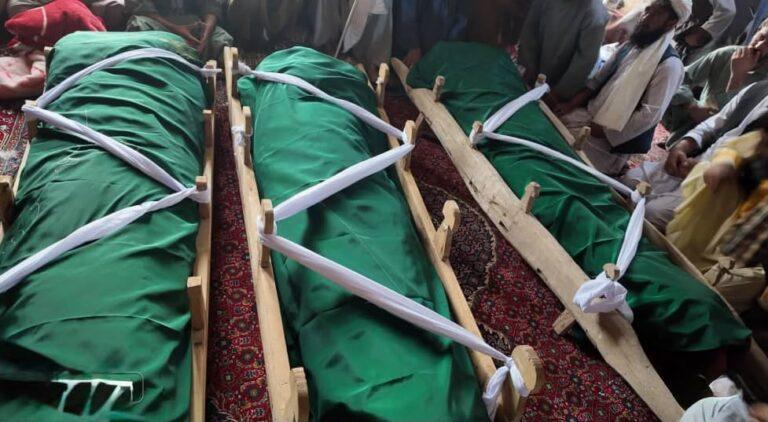
According to the report, 97 people were killed and another 331 injured in natural disasters between January and early August.
Nearly 10,000 houses were damaged and more than 2,100 others completely destroyed, while nearly 13,000 families were affected by natural disasters across the country, the agency said.
OCHA said natural disasters had been recorded in 202 districts, with more than 51,000 people affected in eastern Afghanistan alone.
The report said nearly 5,000 people in 10 provinces — including Ghazni, Kabul, Kapisa, Laghman, Logar, Nuristan, Paktia, Paktika, Panjshir and Parwan — was affected by natural disasters between July 20 and August 3.
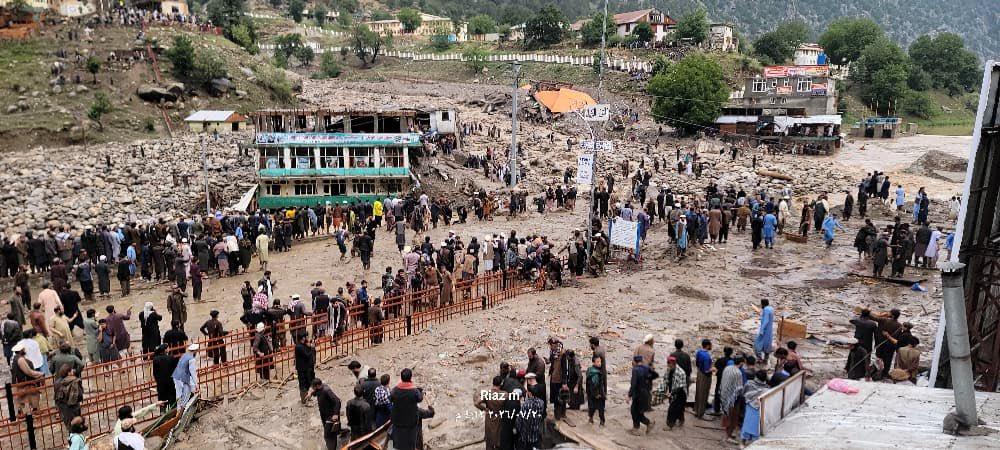
Nuristan was the worst-affected province during this period, where floods and landslides killed dozens of people, destroyed or damaged hundreds of homes and left thousands in need of assistance and shelter, OCHA said.
The agency said the impact of natural disasters was not limited to eastern Afghanistan, with communities across the country continuing to face such hazards.
The disasters also damaged agricultural land, roads, irrigation systems, water networks and local markets, according to the report.
Despite access challenges caused by damaged roads and flooding, humanitarian organisations had increased assistance in education, food security, health, protection, shelter, water and sanitation, OCHA said.
The agency stressed that investment in early warning systems, community preparedness, disaster risk reduction and climate change adaptation was essential to reducing the impact of future disasters.
hz/sa