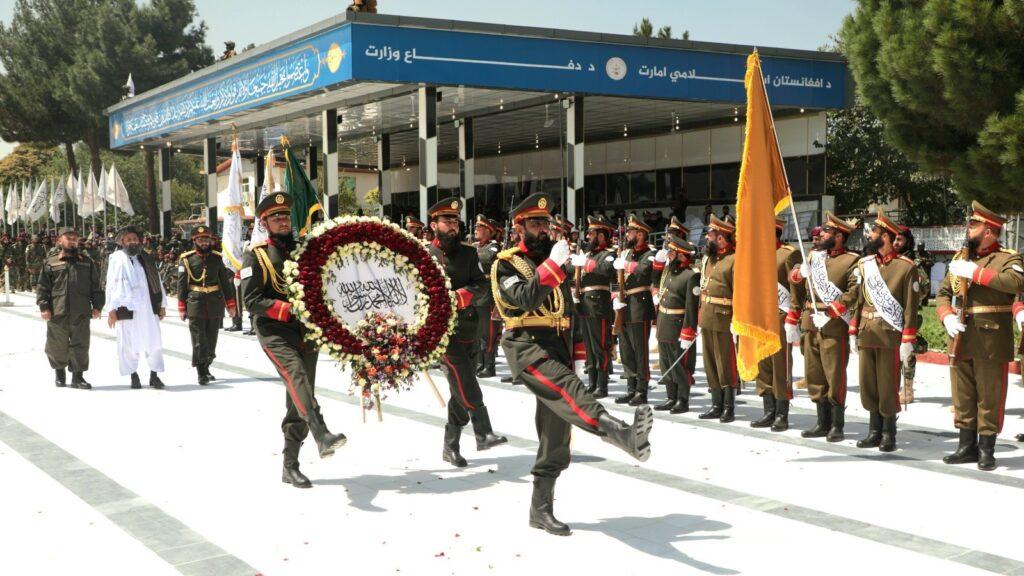

KABUL (Pajhwok): Today marks the 107th anniversary of Afghanistan’s restoration of independence. Political analysts say national unity, domestic stability, economic strength and a balanced policy toward the region and the wider world are essential to safeguarding independence, drawing on the country’s experience with past invasions.
The First Anglo-Afghan War was fought from 1839 to 1842, while the Second Anglo-Afghan War took place from 1878 to 1880. The Third Anglo-Afghan War began on May 6, 1919, and ended in August the same year, resulting in the restoration of Afghanistan’s independence.
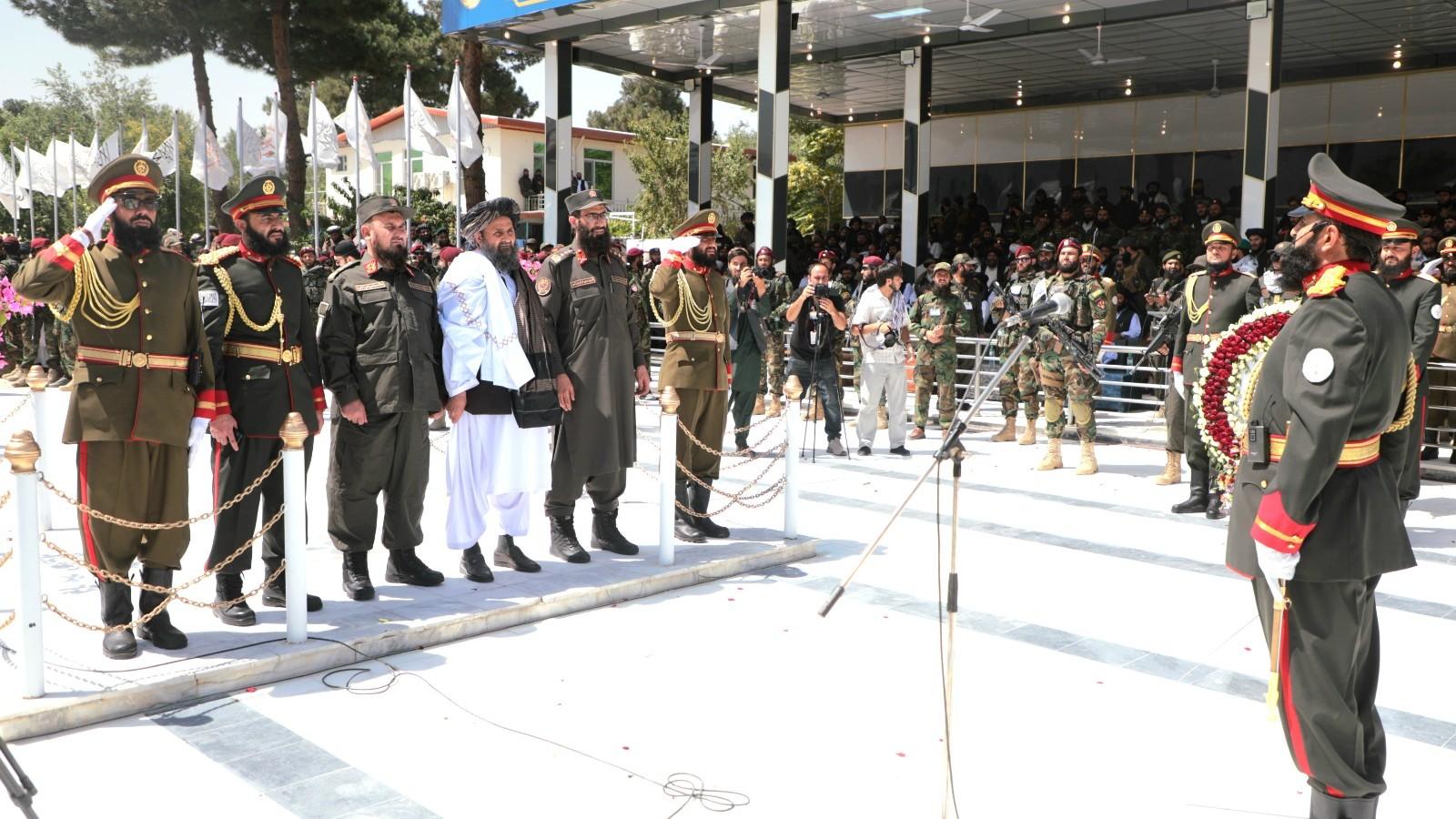
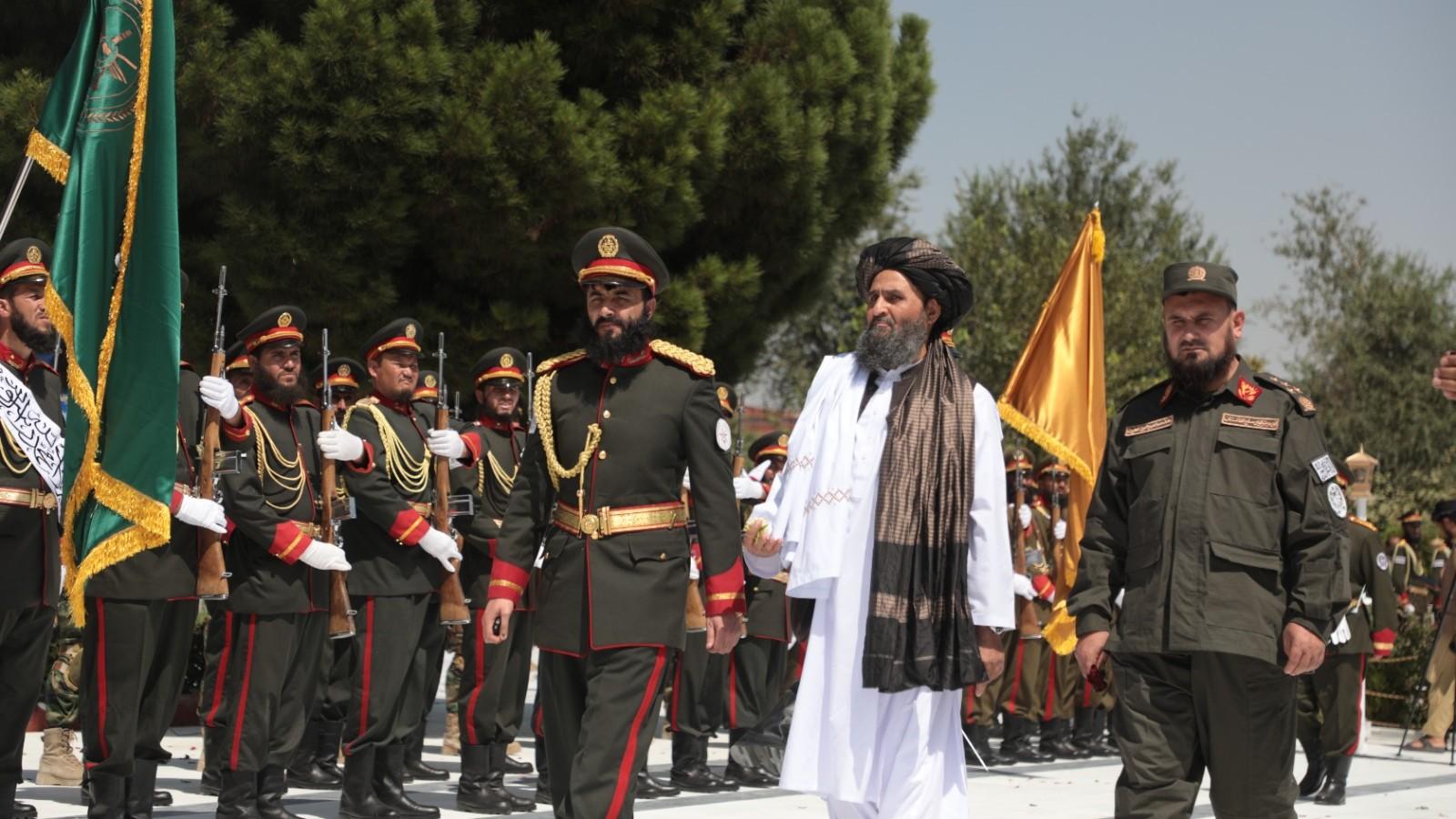
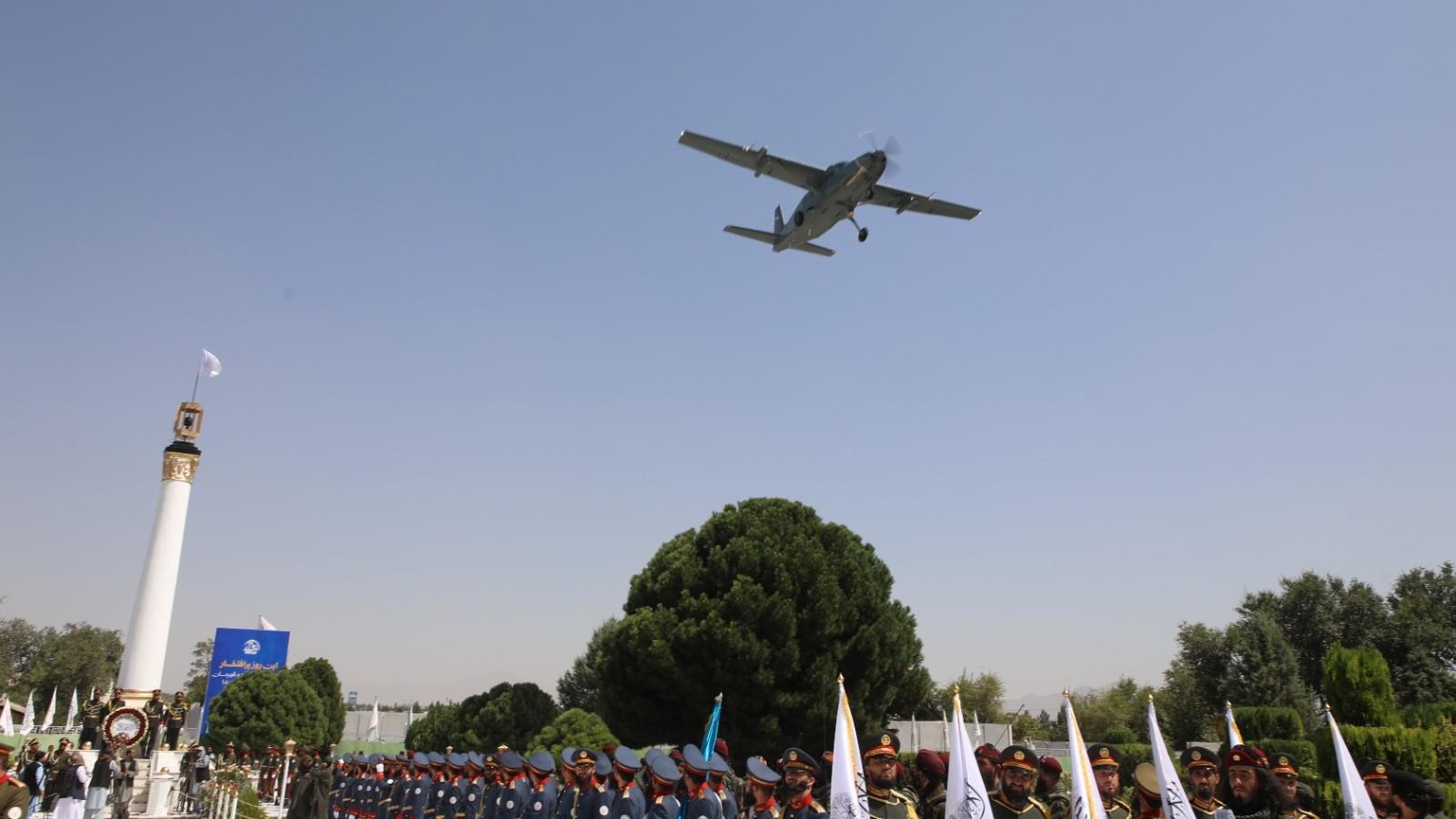
Today, Wednesday (August 19), marks the 107th anniversary of Afghanistan’s restoration of independence from Britain. On this day, King Amanullah Khan declared Afghanistan’s independence.
The day is commemorated every year with special ceremonies.
Historical significance of Independence Day
Political analyst Mohammad Zaman Muzammil told Pajhwok that August 19 (Asad 28) holds special significance in Afghanistan’s history because it marks the historic and sacred day when the country’s first foreign occupation ended and its independence was restored.
Muzammil said the significance of the day lies in the lessons it offers from the struggle against colonialism and occupation, adding that Afghans should learn from their experience of fighting for independence and the roles played by various figures in that struggle.
Another political analyst, Qazi Najibullah Jame, said the historical significance of August 19 (Asad 28) lies in the fact that Afghanistan’s freedom was achieved through the sacrifices and selflessness of its people, forcing Britain to recognize Afghanistan’s independent foreign policy through the signing of the Rawalpindi Agreement.
Jame said independence strengthened Afghanistan’s political position, consolidated its national sovereignty and enabled the country to establish its independent identity in the international system.
Objectives of invasions and reasons for defeat
Asked why major powers of the time invaded Afghanistan and what their objectives were, Muzammil said the overall aim of major powers was to occupy Afghanistan and consolidate their influence over the country.
He said both domestic and foreign factors were behind foreign invasions and occupations of Afghanistan.
“Occupiers have always been brought here by our neighbours,” Muzammil said.
He said the British East India Company’s rule in India was eventually replaced by direct colonial rule, from where the British pursued their colonial policies toward Afghanistan.
According to Muzammil, after the defeat of the former Soviet Union, when the Mujahideen were nearing power, a US Senate delegation travelled to Pakistan. He said the delegation raised concerns with Pakistani officials about the Mujahideen coming to power.
Muzammil said the delegation argued that if the Mujahideen replaced the former communist regime, they would have access to weapons, Soviet-era arms and extensive combat experience, which could pose a major threat to Pakistan and the region.
He said Pakistan subsequently made arrangements that contributed to the Mujahideen being drawn into internal fighting.
The analyst said the British sought to protect British India from Russian influence and potential threats through Afghanistan.
He said the former Soviet Union regarded Afghanistan as important for gaining access to warm-water routes and competing with the United States in the Gulf.
Muzammil added that the United States considered Afghanistan important for containing China’s emergence as a major power and preventing Russia from regaining its position as a major global power.
He said rival powers also played an important role in the failure of these major powers to achieve their objectives in Afghanistan.
Muzammil said Britain, the former Soviet Union and later the United States and NATO faced some common factors behind their defeats in Afghanistan, while other factors were specific to each period.
“One common factor is that the Afghan people have a very strong desire for freedom, and these three wars demonstrated that. Second, Afghanistan’s geography is suited to warfare; its terrain makes it difficult for outsiders to fight and win here. Third, whenever a superpower came here, there was usually a rival power nearby that stood alongside the Mujahideen against it,” he said.
As an example, he said Soviet Russia supported Afghanistan’s independence during Amanullah Khan’s reign because it opposed British influence and recognized Afghanistan’s independence.
Muzammil said the Americans were reluctant to fight, while Russian forces were more experienced in warfare but lacked the willingness to fight in Afghanistan.
He added that an invading empire can be challenged by another power capable of rallying people around itself, while Afghanistan also needs strong alliances with its neighbours.
Jame, however, said the objectives of all invasions of Afghanistan were not the same and that each invasion had different goals.
He said Afghanistan had nevertheless remained a battleground for major-power rivalry because of its strategic geographical location.
According to him, Afghanistan’s complex geography, strong Afghan resistance, the failure of foreign forces to achieve their objectives and the heavy financial costs of the wars were among the key factors behind the defeats of Britain, the former Soviet Union, and later the United States and NATO.
Lessons from history
Muzammil said Afghans should draw several lessons from the country’s three past occupations and its broader history.
He urged the younger generation to avoid ethnic and factional divisions and unite around a national agenda.
He said political differences should be resolved through peaceful and political means rather than war and armed opposition, while efforts should be made to strengthen national participation and rule-based governance.
According to him, Afghanistan should pursue a balanced and active foreign policy and maintain relations with all countries without becoming completely dependent on any country or power.
Jame said Afghanistan’s foreign policy should be based on national interests and mutual interests.
He said Afghanistan could genuinely safeguard its independence only by becoming strong, establishing effective institutions of national governance, achieving economic self-reliance, pursuing diplomacy based on the country’s national interests and maintaining domestic stability.
The political analyst said Afghans should learn from past invasions that Afghanistan’s geographical position is a national asset, but without a strong national consensus to harness this advantage, the country cannot protect its national interests on its own.
Jame also said that every long-term success depends on political legitimacy, social cooperation and realistic politics, and that efforts should be made in these areas.
sa