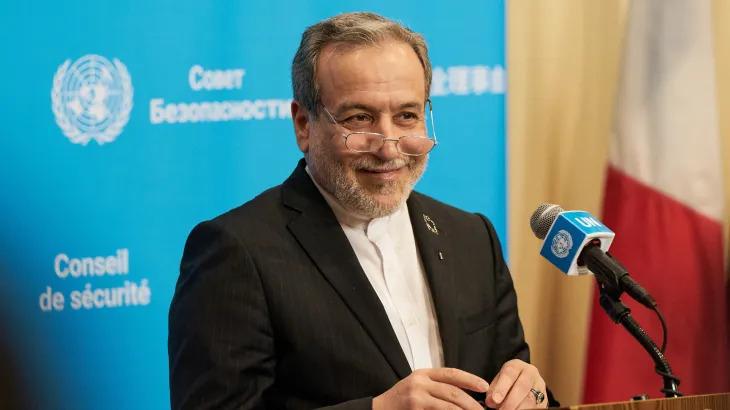
KABUL (Pajhwok): Iran’s Foreign Minister Abbas Araghchi has met Qatari mediators in New York over Tehran’s proposal to reopen the Strait of Hormuz, as a US official said no deal to end the war would be reached without addressing Iran’s nuclear programme.
Araghchi told Iranian state media on Monday that the Qatari mediators would convey the ideas discussed to Washington. He said he hoped to receive the US response by Tuesday, Al Jazeera reported.
“We talked about ideas and how to find solutions to fulfil Iran’s conditions and how to implement those conditions,” he said. “They had some ideas, and we had a discussion that they will also present to the American side.”
Araghchi said he would return to Tehran within hours rather than remain in New York to await the response.
The talks are part of an ongoing exchange of messages through Qatari and Pakistani mediators, he said, adding that the process had become “more serious” since Iran submitted its proposal.
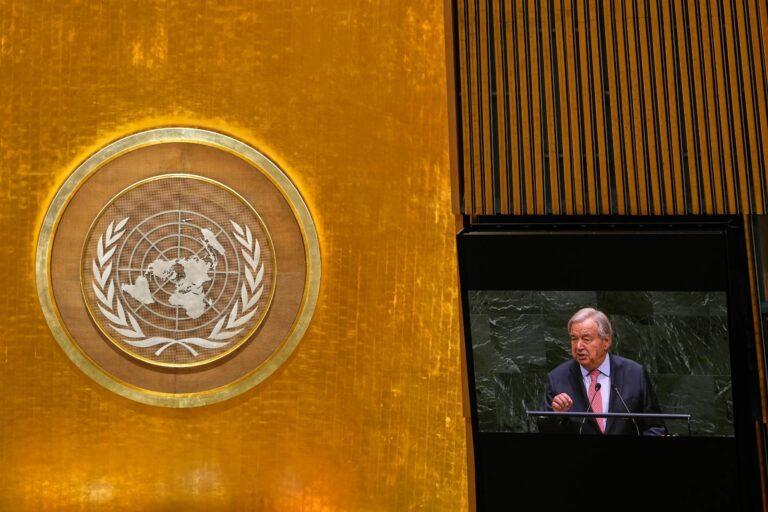
Announced on Friday at the UN General Assembly in New York, the Iranian plan calls for the US to release frozen Iranian funds, lift sanctions and end its naval blockade of Iranian ports.
Araghchi said the measures could be implemented within four or five days, allowing the Strait of Hormuz to reopen and negotiations on a final agreement, including on Iran’s nuclear programme, to begin by the seventh day.
US President Donald Trump rejected the proposal on Saturday, calling it “unacceptable”.
The US official told Al Jazeera that indirect talks were nevertheless continuing and described them as “positive and constructive”.
The official said Trump was willing to ease sanctions and release Iran’s frozen funds in exchange for progress on nuclear issues, but stressed that no agreement would be reached unless the nuclear programme was addressed.
“Iran has indicated they are flexible on the nuclear issues, but the sides still remain apart on the timing of the commitments and who takes which steps first,” the official said.
The official also accused Iran of violating a memorandum of understanding signed in June by firing on commercial vessels. Tehran denies the accusation, saying Washington breached its commitments by failing to halt Israel’s attacks on Lebanon and seeking alternative shipping routes through the Strait of Hormuz.
Iran closed the strait shortly after the US and Israel launched their offensive on February 28. Before the war, the waterway handled roughly 20 percent of global oil and gas supplies.
Iranian attacks on vessels have since sharply curtailed shipping, while oil prices have risen above $100 a barrel.
Despite the disruption, crude exports from major Middle Eastern producers rebounded to 12.8 million barrels per day in September, their highest level since the war began, Reuters reported, citing maritime intelligence firm Kpler.
sa