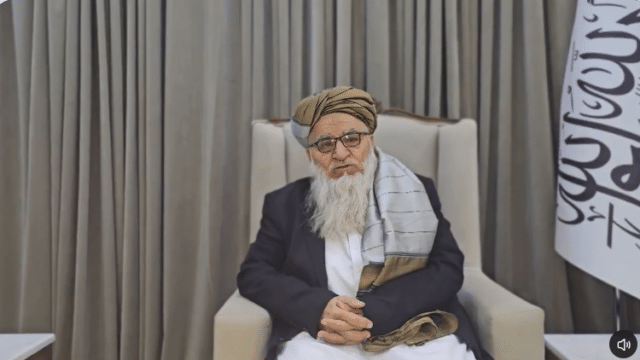
KABUL (Pajhwok): Minister of Economy Qari Din Mohammad Hanif has called for greater Japanese cooperation in addressing the impacts of climate change and the challenges faced by returning Afghan migrants.
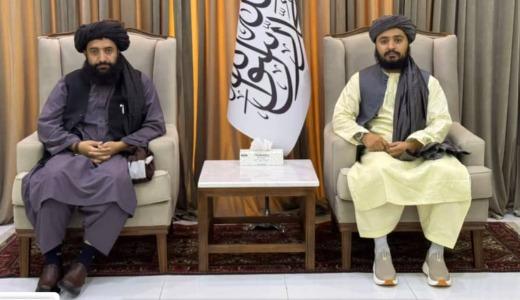
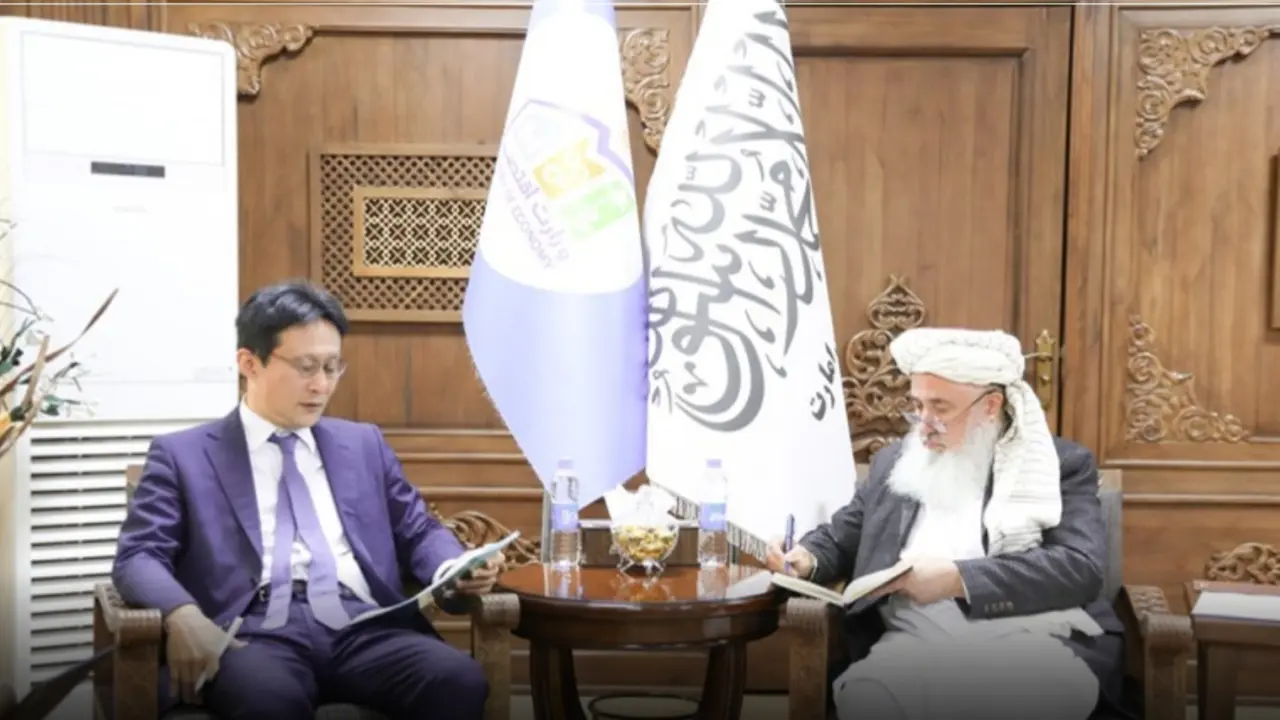
In a statement, the Ministry of Economy (MoE) said Hanif met Japanese Ambassador Masamoto Kenichi and Sota Tosaka, director of the Japan International Cooperation Agency (JICA) in Kabul, on Tuesday.
It said the two sides discussed improving bilateral economic cooperation, continuing Japan’s humanitarian and development assistance to Afghanistan, implementing development projects and expanding cooperation in various sectors.
Hanif said lifting sanctions and economic restrictions and releasing Afghanistan’s foreign exchange reserves would help strengthen the country’s economy and expand economic cooperation with other countries.
Describing relations between Kabul and Tokyo as historic, the economy minister appreciated Japan’s continued assistance and cooperation with the Afghan people in various fields.
He called for the continuation and expansion of this cooperation, particularly in the economic and development sectors.
Referring to existing needs, he said addressing the livelihood challenges of vulnerable people, supporting communities affected by drought and climate change, and resolving the economic and livelihood difficulties of large numbers of returning migrants required continued comprehensive humanitarian assistance from the international community, the implementation of development programmes and investment in social and economic infrastructure.
He also stressed the need to expand Japanese development cooperation in healthcare, agricultural mechanisation, cold-storage facilities, and agricultural processing and packaging capacity.
Investment in these sectors, he noted, could increase domestic production, reduce agricultural losses, create employment opportunities and improve people’s economic and living conditions.
For his part, the Japanese ambassador praised what he described as the Islamic Emirate of Afghanistan’s (IEA) major achievements in ensuring security, combating drug cultivation, preventing smuggling and fighting corruption.
He said ongoing efforts to develop the economy and focus on development infrastructure were important for economic growth.
Emphasising the importance of bilateral relations, Masamoto assured continued Japanese cooperation with the Afghan people in the humanitarian and development sectors.
He also expressed Japan’s readiness to support educational and vocational training projects, as well as programmes to assist farmers and promote rehabilitation.
The head of JICA also assured continued cooperation in alternative livelihoods, healthcare, vocational training and addressing the impacts of climate change.
kk