Language

Afghans have critical role to play fighting Covid-19: MSF


KABUL have a crucial role to play in battling COVID-19 and must be at the forefront of our collective response to this virus, a statement from Médecins Sans Frontière (MSF) says on Sunday.

With a healthcare system that has been severely impacted by decades of war, Afghanistan faces considerable hurdles in its fight against COVID-19, the statement said.

This is further complicated by the nature of the pandemic, affecting so many countries around the world at the same time; and the impact that restrictions are having on medical supplies, including personal protective equipment, and human resources.

“We urge all people in Afghanistan to protect yourselves and your families, especially those most vulnerable to severe effects of the virus such as the elderly and those with chronic illnesses. Keep your distance where practical, avoid shaking hands and hugging, and if possible, wash your hands very frequently. We cannot stop the virus, but we can slow its progression and reduce the number of people who may become infected.

People must stay informed on how to protect themselves and their families. Each and every one of us has a role to play in this pandemic. Each new person infected is not only a potential new patent but also a probable link in a chain of transmission”, explains Julien Raickman, Country Representative for MSF in Afghanistan.

In normal times, Afghans struggle to access basic and emergency medical care and many health facilities lack the staff and equipment they need.

Afghanistan should not be forgotten despite the fact that this pandemic is seriously affecting other countries. Much more needs to be done in Afghanistan to limit the impact of the virus”, explains Raickman.

As MSF, our first priority is to protect the staff and patients in our project locations, and to ensure that our activities can continue in so far as is possible despite COVID-19. Protecting all our staff, but particularly those ‘at risk’ according to age and health status, is paramount. We have put in place several measures to keep them safe, including asking all non-essential and vulnerable people to work from home, provision of personal protective equipment, and implementing infection prevention and control measures in our facilities.

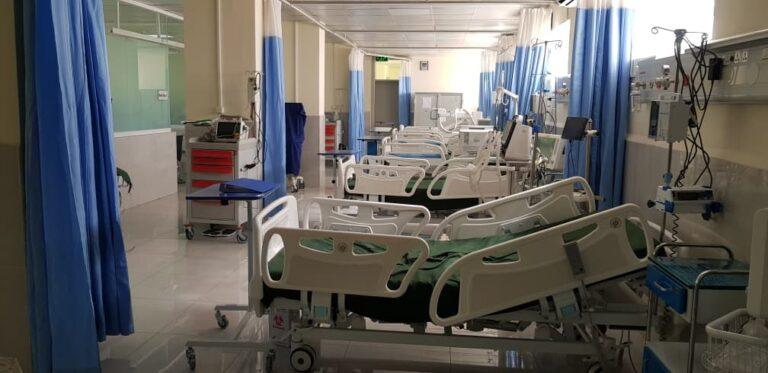
We have a team dedicated to responding to COVID-19 and have been training health workers on infection control measures and how to manage the movement of patients through healthcare structures to limit the spread of the virus. Our teams are currently supporting in the Afghan-Japanese hospital in Kabul and Herat Regional Hospital in order to adapt to these new needs.

“Travel and supply restrictions are complicating matters, but MSF is working hard to find creative solutions to continue its life-saving work in Afghanistan.We have been present for 40 years, and despite the challenges that the world is facing, we will do everything we can with what resources we have to support the Afghan people,” says Julien Raickman.

Pr/nh

Related Topics