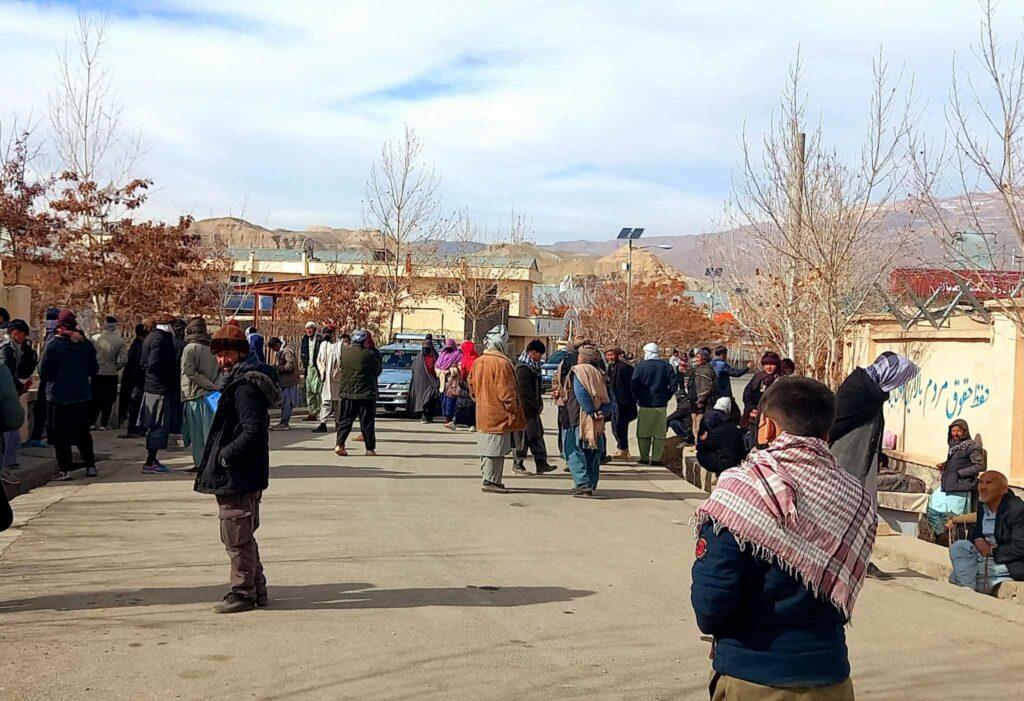
BAMYAN CITY (Pajhwok): A number of residents of central Bamyan province complain about slow-paced work by the National Statistics Department in connecting ID card errors.
Speaking to Pajhwok Afghan News, Abdul Wahid, a resident of Yakawlang district, said it was his 15th day visiting the center to correct errors in his ID card, but to no avail.
He obtained his ID card in solar year 1378 from Yakawlang district, but there was a difference of “w” in his name in his card and the database and now he was wandering to correct this.
He asked relevant officials to pay attention to accurately recording details of the clients while issuing ID cards.
Hassan, a resident of Panjab district, who wanted to correct his tazkira, said his name was written Hussain instead of Hassan in the basic book.
He added when he applied for an electronic ID card, officials told him that his name was written Hossein in the original book, so he would not be given an electronic ID card until the error was corrected.
Efforts are not confined to paper ID cards only, but such problems exist in electronic ID cards as well.
Qadratullah, a resident of Bamyan City, said his name was wrongly written in English in the electronic ID card, but he failed to get it corrected after several visits.
He said he had to go to Kabul to correct his name because it could not be corrected in Bamyan.
Officials say they inherited such problems from the past and efforts are being made to speed up work in this regard.
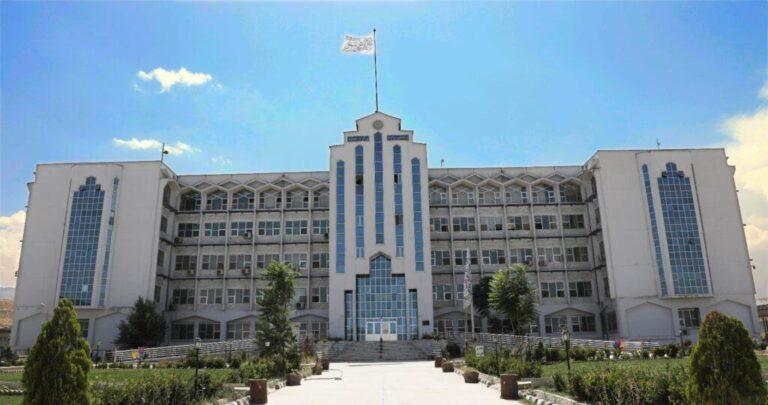
Mohammad Mohsen Zafari, head of statistical services at Bamiyan Department of Statistics and Information, told Pajhwok that these problems existed before the re-establishment of the Islamic Emirate, and now efforts are underway to correct the names of clients and distribute electronic ID cards.
According to him, inattention of clients, previous employees and the loss of basic books and copies are behind such errorts.
He added currently problems in spelling and composition had been solved at the province level and capable officers were hired for the purpose.
He also added that since the beginning of this year, more than 13,876,000 afghanis had been collected from the distribution of electronic, paper cards and other services in this sector.
sa/ma
GET IN TOUCH
NEWSLETTER
SUGGEST A STORY
PAJHWOK MOBILE APP