Language

Researchers highlight pathways to improve employability of returnees, IDPs
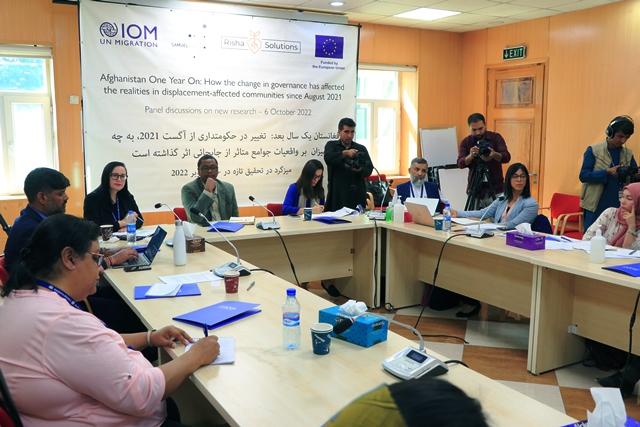
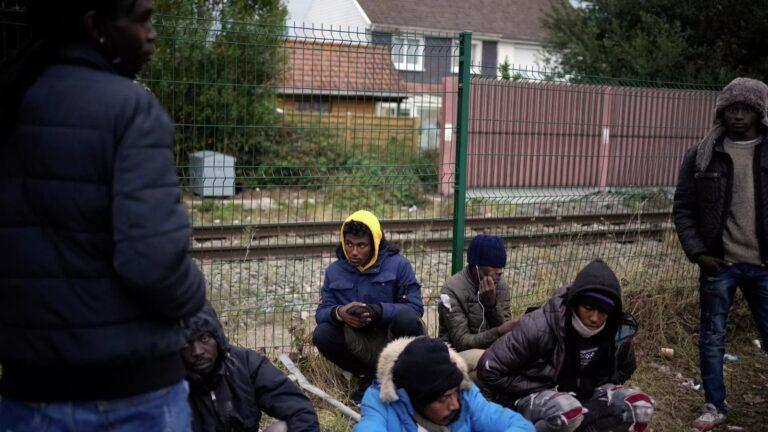
KABUL (Pajhwok): Academics and practitioners of a daylong debate have urged engagement with the Afghan de facto authorities to improve the living condition of displacement affected communities.

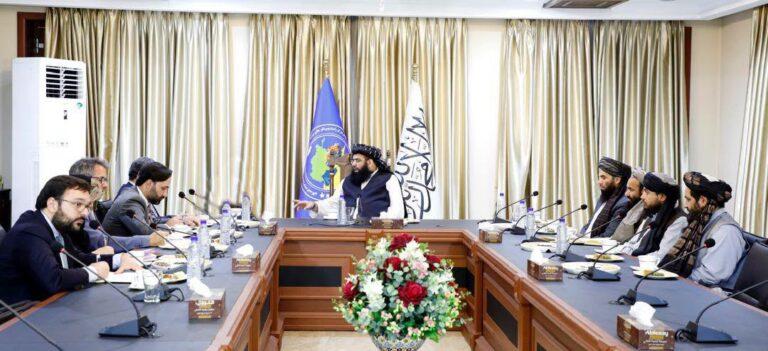
The International Organization for Migration (IOM) has organized a daylong conference on the changing condition of displacement-affected communities in which experts and practitioners presented their research papers on the different aspects of the topic.

Reflecting over the research work, one of the researchers Muhammad Saleem said: “We highlighted the available pathways which can be utlaised to improve the employability of the returnees and IDPs, we have put some recommendations to formal and informal institutions where they can move their programme to improve the employability returnees.”

in another research work, he said we looked into the by directional links between formal and informal institutions and the returnees on the other side, these links were previously even week when the regime did not change last year. Those are now completely broken down and there is need to be build up on the bases of recent data because since 2016 there a lot of forced migration from Pakistan and Iran. The increase number of returnees and their vocational skills are not known to many policy makers.

In the last research paper he said there was focus on the role of transformative actors within the communities where the returnees and IDPs can not only help themselves by engaging in useful employment but also the overall communities including the host communities where it can be socially transformative process where both the communities host and the returnees can benefit from it.

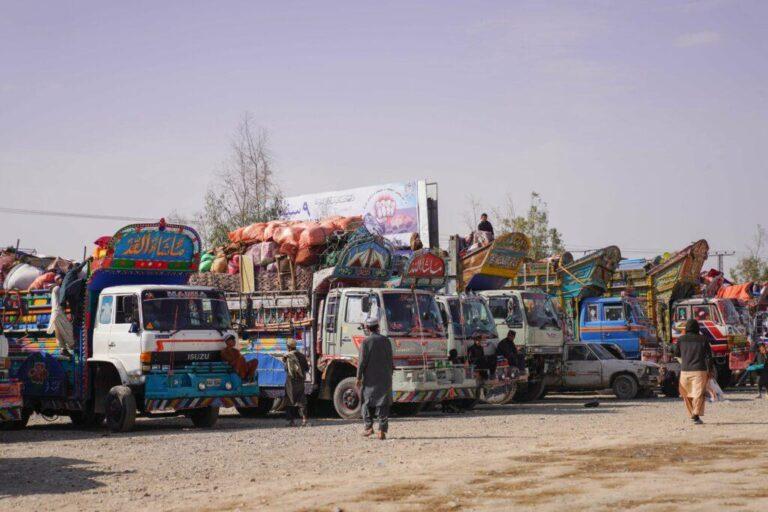
According to the Ministry of Refugees and Repatriation (MoRR), currently seven million Afghans are living as migrants in different countries. Three million of these refugees live in Pakistan, as many in Iran and the remaining one million in other nations.

Last year, after the regime change, the US and its allies evacuated around 150,000 Afghans who worked with them in Afghanistan during the past years.


Ziaurrhaman Rahimi, head of the Afghanistan Development Association (ADA), said that after regime change last year more people have started returning to the rural area from urban, poverty has increased in the ruler areas and public purchasing power had declined due to deteriorating economic situation.

He said donors and NGOs were more focused on the rural areas where poor health services has affected public lives with increase in mortality rates.

He urged improved health and education services in the rural areas and stressed the empowerment of women through economic development schemes.

Executive Managing Director ACBAR Fazal Rabi Haqbeen, stressed the need for engaging people and addressing problems particularly the municipal through them.

“If they are gathered for three days in Jirga tent and then to identify problems by them and find solution by them and the regulations and if the regulations are not implemented what should be done in that case the owner of the house are responsible to keep their environment clean.”

He stressed the need for putting pressure on de facto Afghan authorities by the UN regarding their pledges since to support civil society and NGOs.

He said there is need for engaging the de fecto authorities so that international donor agencies, NGOs and INGOs at the local community level and the government representatives responsible financial economic institutions like the ministry of repatriation, economy could work for the betterment of affected communities.

“Let’s give hands in hand be consistence, put behind the organization interest and policies and work for the sake of the people,” he urged

Hassan Elhaq, head of the UNAMA governance unit, while addressing the opening session of the conference, said the constitution defined the system of governance and entrances all the good values of good governance, including inclusivity and responsiveness to people needs as well as equity and rights issues.

He said that the constitution also defined the layers of governance --- central, provincial, municipal district and village level --- and there is greater space for civic movement in the constitution.

Linking governance with communities he said that during republic communities were engaged through their elected bodies --- such as parliament, provincial council and municipal bodies.

nh


Related Topics