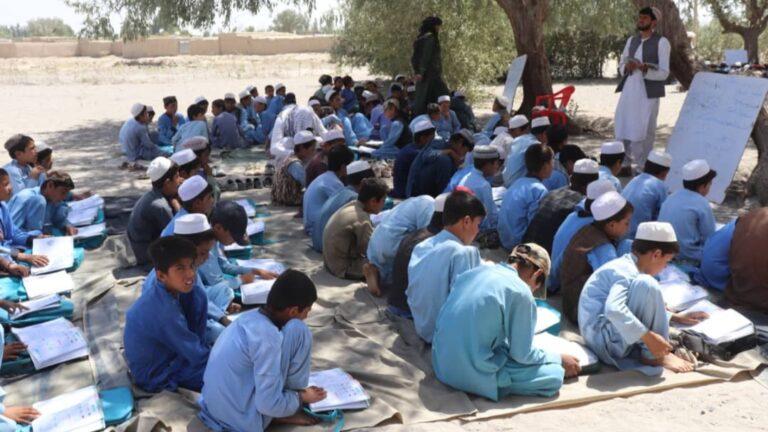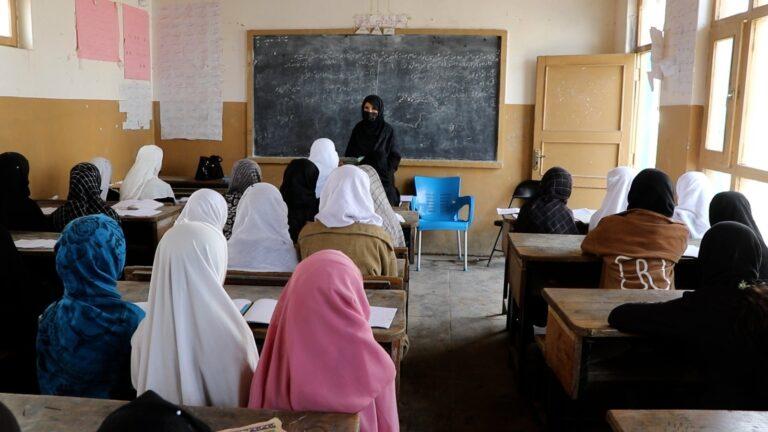
KABUL (Pajhwok): Fatima Shirzad, a woman who started her career 12 years ago with a capital of 10,000 afghanis by selling precious stones, is now engaged in jewelry-making and handicrafts.
Alongside this, she has established a jewelry training center and a tailoring workshop, through which she has trained and empowered dozens of women and girls.
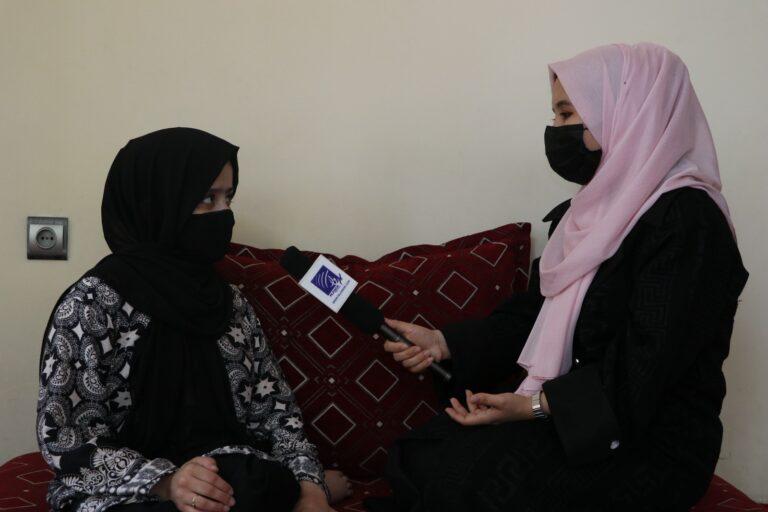
Pajhwok Afghan News, in its “Mirror of Women” program, highlights Fatima Shirzad’s journey from a small business startup to creating educational and employment opportunities for women.
Shirzad, a board member of the Kabul Women’s Chamber of Commerce, was born into an educated family and holds a bachelor’s degree in economics from Kabul University.
Speaking to Pajhwok, she said: “When I watched television and saw active women working, I used to think that I should also start from somewhere. I was very interested in starting my own work and standing on my own feet.”
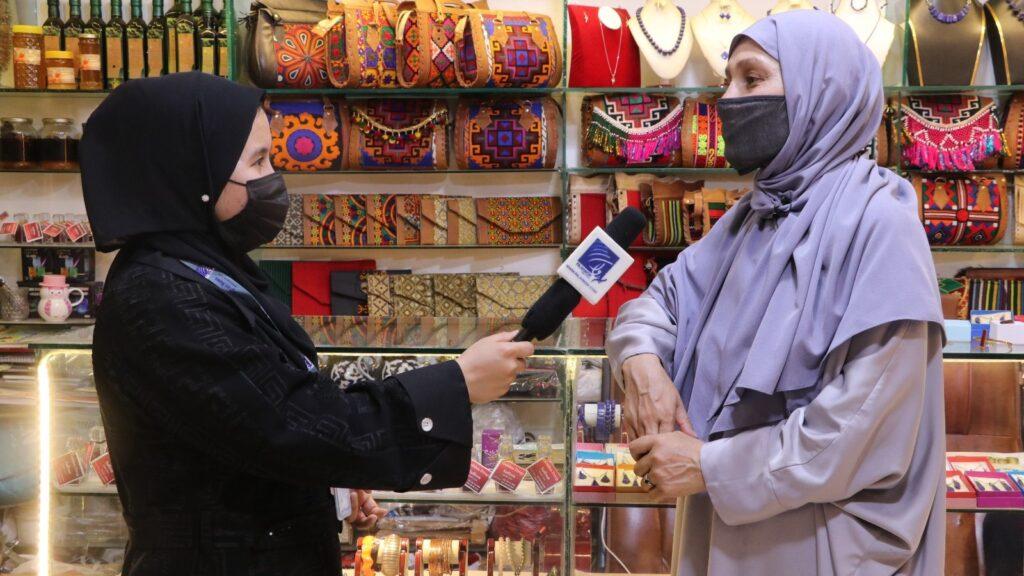
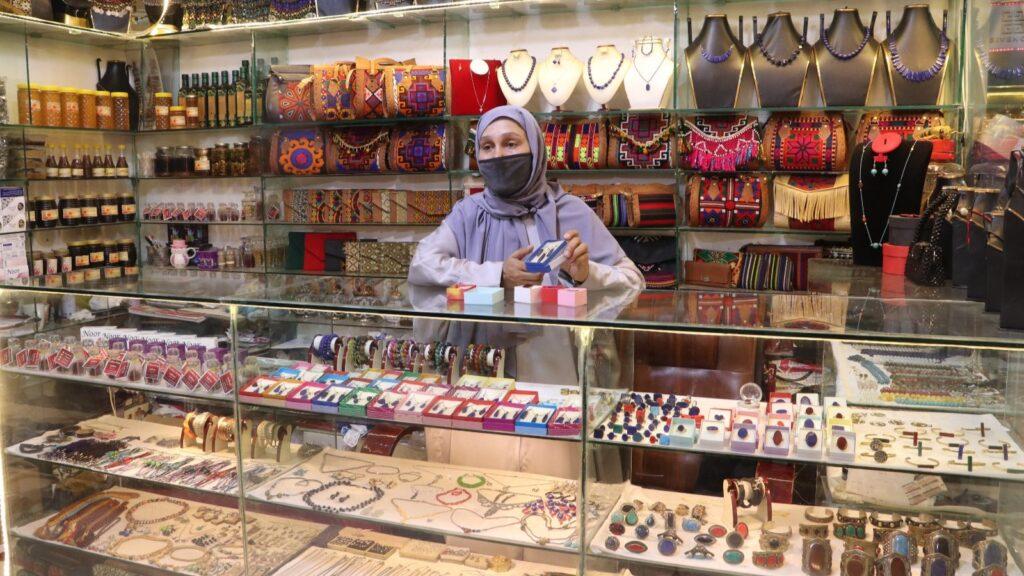
She said she began her work 12 years ago with a capital of 10,000 afghanis, producing prayer beads, lockets, bracelets, earrings, rings, and other jewelry items, and later developed a strong interest in becoming a professional in the field.
According to her, after starting her work, she joined the Ferozkoh Center to learn jewelry-making and trained under experienced instructors.
The Ferozkoh Institute began its activities in Afghanistan in 2006. Its founder previously stated that the institute works in traditional arts training, restoration of historical artifacts, and production of artistic and cultural works, and annually trains dozens of students in engraving, jewelry-making, calligraphy, ceramics, and other cultural fields.
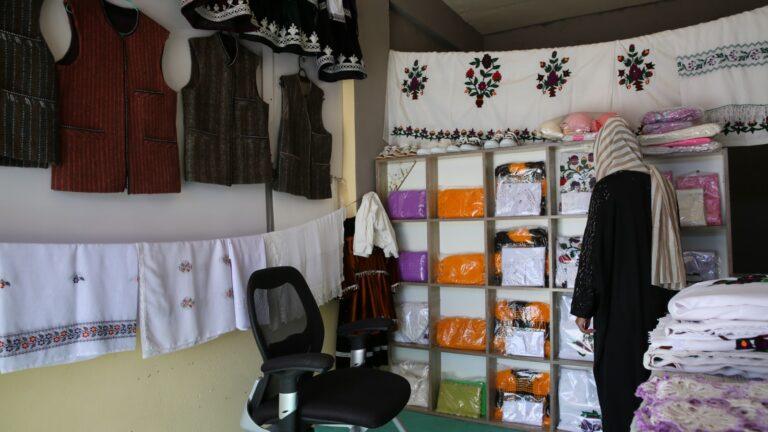
Shirzad, a graduate of this institute in jewelry-making, said that after gaining professional skills and expanding her business, she established a tailoring workshop four years ago, providing training and employment opportunities for several girls.
She said: “My goal was to enable girls who are interested to learn tailoring. In addition to sewing, we also introduced embroidery and leatherwork. Fortunately, in the past four years, we have graduated ten batches of students, and many of them have entered the job market after training.”
Providing jewelry training opportunities for girls
Shirzad said that after years of experience in jewelry-making, she realized that this skill should not remain limited to one person. Therefore, she has been providing training opportunities for girls in her workshop for the past year.
Expressing satisfaction, she said: “I am happy that I have created such a place for girls, and I hope that when these students graduate, they will work in other areas as well and expand different branches of this profession.”
She added that the center has received a warm response from families, and even one student came from Daikundi province to Kabul to learn jewelry-making.
She said: “When I see such students, I feel more motivated. I feel that the center I created is useful and beneficial for girls. I hope we will have more graduates in the future and expand this center.”
Products of the workshop
According to Shirzad, the workshop currently produces jewelry made from precious stones, gold, and silver, most of which are made on customer orders.
She urged people to use the products of her workshop so that her business can grow and more women can be provided with opportunities for work and training.
Challenges
Shirzad also highlighted challenges, saying: “At the beginning, we faced many difficulties. Any progress in this path is costly, and we hope to attract donor and partner support so we can expand our activities and provide more services to women.”
Her message
She said: “When you start something, never think about its end point; instead, think about its future and vision. If you move forward with hope, effort, and perseverance, you will surely succeed.”
A worker in jewelry craft
Sultana Amin, one of the girls working in the jewelry section, said that despite the challenges in this profession, she has tried to contribute to the economic cycle by using her skills and creativity.
She said: “Like any job, jewelry-making has its own challenges. Since it is mostly considered a male profession, it can sometimes be difficult for women; however, given women’s fine skills, I decided to use my abilities to contribute to the economy.”
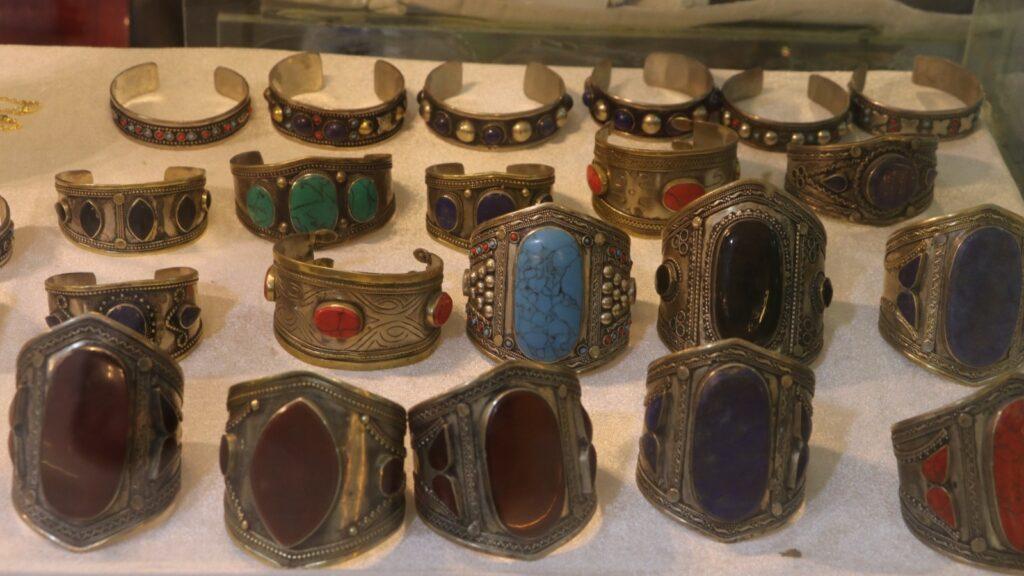
She also practices painting alongside jewelry-making, saying both require precision, patience, and hard work.
Meanwhile, Fariba Noori, head of the Afghanistan Women’s Chamber of Commerce and Industries, told Pajhwok that women’s economic engagement—particularly through small and medium-sized enterprises—plays a significant role in advancing women’s economic empowerment.
She noted that such activities not only increase women’s confidence and financial independence but also contribute to building a more stable and peaceful society, while enabling women to have a stronger voice in decision-making within their families and communities.
Noori added that the Afghanistan Women’s Chamber of Commerce and Industries remains committed to supporting women entrepreneurs by providing vocational training, fostering business networks, and improving access to markets.
She emphasized that the chamber will continue implementing various initiatives to strengthen women’s contribution to Afghanistan’s economic growth and ensure their active participation in the country’s economic development.
hz/sa