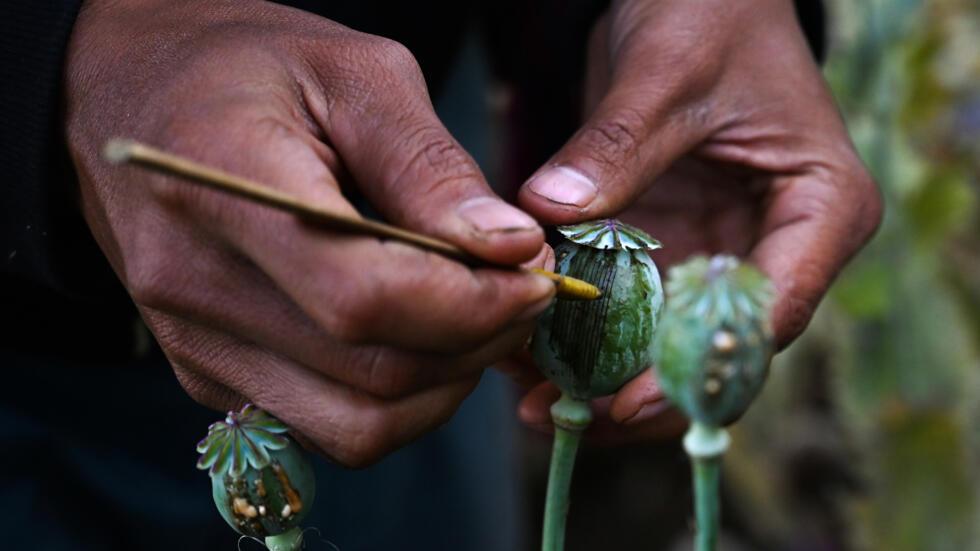

KABUL (Pajhwok): The United Nations Office on Drugs and Crime (UNODC) says opium production in Afghanistan has declined by 95 percent since 2023, significantly affecting the global illicit opiates market.
UNODC, in its World Drug Report 2026, said the unprecedented decline in opium production in Afghanistan marks a turning point in global opiate market dynamics.
It said that following the 95 percent reduction in Afghan opium production, existing heroin stockpiles are gradually being depleted, pushing drug traffickers to seek alternatives to heroin.
It added that increased availability of synthetic opioids such as fentanyl, nitazenes and other substances indicates that trafficking networks are attempting to compensate for the shortage of heroin caused by the decline in Afghan production, a trend that could bring lasting changes to the global opiate market.
According to the report, although opium production in Myanmar rose from 420 tonnes in 2021 to more than 1,000 tonnes in 2025, this increase, along with production in other monitored countries including Laos and Mexico, has not been sufficient to offset the decline in Afghanistan.
The report emphasised that Afghanistan produced more than 6,000 tonnes of opium in 2022, and the sharp decline in production has had a significant impact on global heroin supply and market trends.
The UN agency warned that continued developments could reshape global patterns of production, trafficking and consumption of opiates, with significant implications for public health, security and efforts to combat organised crime.
hz/kk