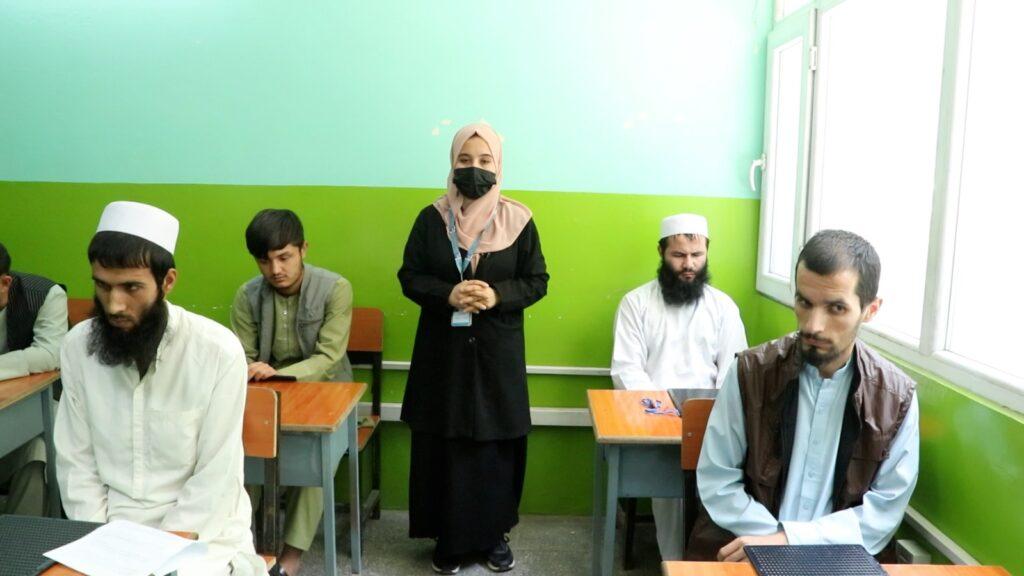

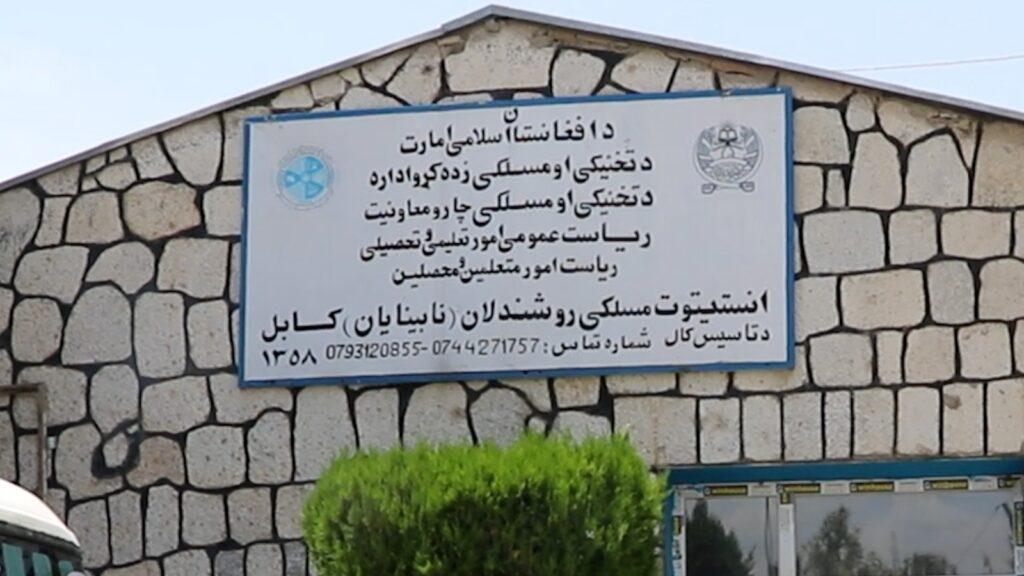
KABUL (Pajhwok): For years, Zakirullah wondered why he was born without sight. Today, at the Kabul Vocational Institute for the Blind, he is learning the Holy Quran, school subjects, computer skills and life skills alongside hundreds of other blind children and teenagers, building confidence and hope for the future.
Here, blindness is not the end of dreams but the beginning of a journey towards self-reliance and independence.
Established in 1980, the institute currently provides education to 300 blind students — 200 boys and 100 girls — from Grade 1 to Grade 14. Alongside the national curriculum and Islamic studies, students receive training in computer use, smartphone skills, brush-making, chair weaving and sports.
Stories of hope and determination
Sitting quietly in a corner of his classroom and reciting the Holy Quran, Zakirullah, a third-grade student at the institute, told Pajhwok Afghan News that he spends his days attending classes and memorising the Quran.
Blindness is not unfamiliar in his family. His uncle and one of his sisters are also visually impaired.
Speaking softly, Zakirullah recalled the days when he questioned why God had created him blind.
“Sometimes I asked God why I had been born blind and prayed for my eyesight to be restored,” he said. “But when I see some people with sight doing things that displease God, I tell myself: ‘No, thank God I am blind.’”
He said blindness had never taken away his dreams. His greatest ambition is to memorise the entire Holy Quran and teach it to others.
“I want to become a Hafiz of the Holy Quran and share what I have learned with other people,” he said.
Zakirullah’s story is one of hundreds at the Kabul Vocational Institute for the Blind, where children and young people use education and vocational training to build futures in which disability is not a barrier to success.
Mohibullah Akbari, another student who has memorised all 30 parts (juz) of the Holy Quran along with its translation, said reciting and memorising the Quran had filled his life with meaning and hope.
“Every day I recite the Holy Quran, I feel happy and my heart becomes brighter,” he said. “I never feel that I am a blind person.”
Smiling, he added: “My family is proud of me. They honour me and pray that God grants us goodness in this life and the next, and that I may intercede for them in the Hereafter.”
He encouraged all young people, whether sighted or blind, to study hard, build their character and make good use of their time.
A teacher who shares the same journey
For the past 15 years, Mohammad Yosuf Hanifi has taught Islamic studies to blind students at the institute. Blind himself, he says teaching is not simply a profession but a calling.
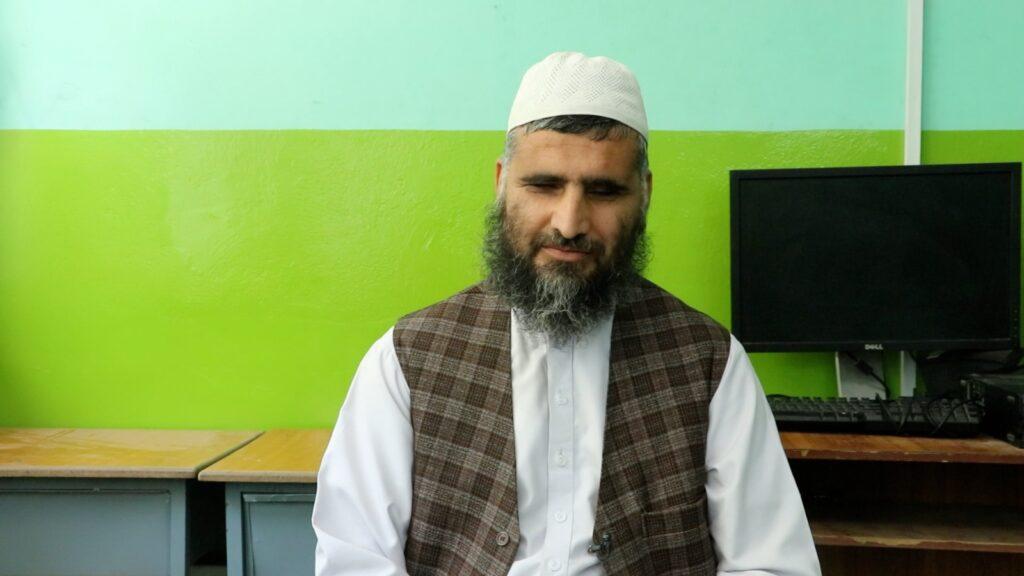
“I have spent these 15 years with great satisfaction,” he said. “I am proud to serve people who share my experience. Teaching the Holy Quran brings rewards in this life and the next. The Prophet Muhammad (peace be upon him) said: ‘The best among you are those who learn the Quran and teach it to others.’ I therefore regard this as a sacred responsibility.”
Hanifi said many of his former students had proved that blindness was never an obstacle to achievement.
“One of our graduates, Qari Khalid, competed in national Quran recitation competitions and achieved outstanding results,” he said. “Today, he is recognised as one of Afghanistan’s distinguished Quran reciters, and his success makes us proud.”
He encouraged blind people and their families to make full use of educational opportunities.
Achievements and continuing challenges
Sediqullah Yaqoubi, academic director of the Kabul Vocational Institute for the Blind, said separate buildings for boys and girls, transport services and improved accessibility had significantly enhanced learning conditions.
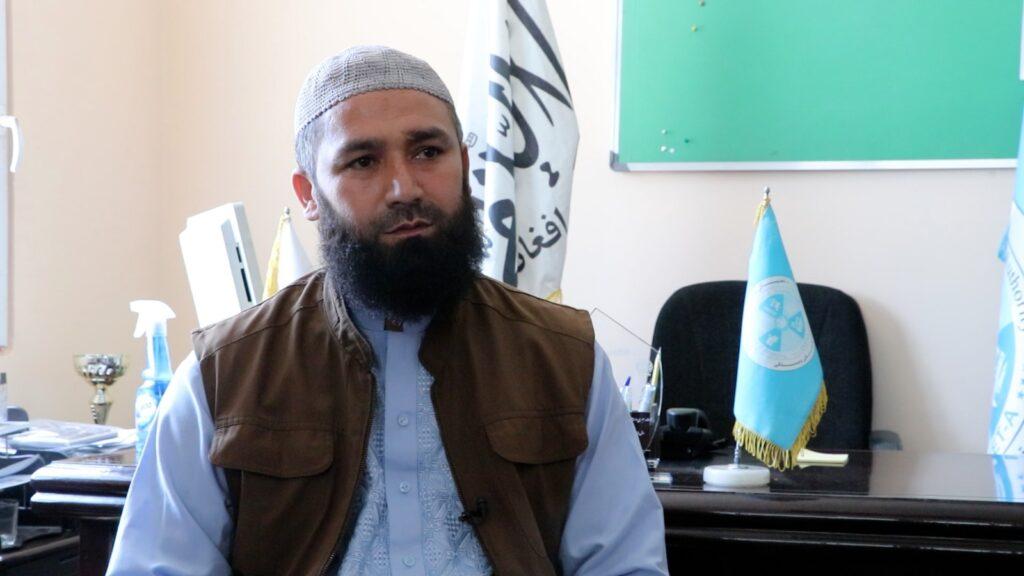
However, he said unsuitable roads and pavements, together with limited employment opportunities, remained major challenges for blind people.
He urged government institutions and non-governmental organisations to allocate more jobs to people with disabilities, particularly those who are visually impaired.
Yaqoubi highlighted the institute’s achievements, including publishing Afghanistan’s first complete Braille edition of the Holy Quran, establishing a Braille printing press and operating health clinics.
He said future plans included constructing a standard educational building, a gymnasium and a playground for female students.

Throughout the institute, the sound of white canes echoes through the corridors alongside Quran recitation and the enthusiasm for learning. Here, blindness is not the end of the road, but the beginning of a journey in which students build their future through faith, knowledge and determination.
kk/sa