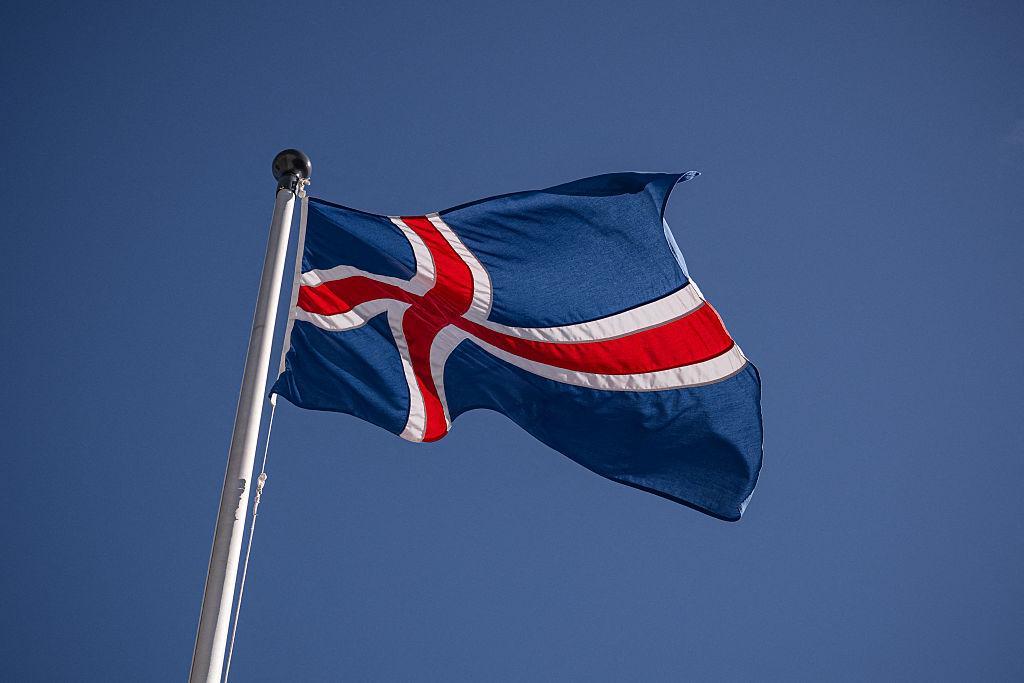

KABUL (Pajhwok): Iceland has voted against resuming negotiations on joining the European Union, 13 years after the membership talks were suspended.
Public broadcaster RUV reported that 52.8 percent of more than 225,000 voters rejected the government’s proposal, while 47.2 percent supported it. The difference between the two sides was about 12,600 votes, the BBC reported.
Prime Minister Kristrún Frostadóttir’s centre-left government had pledged to hold the referendum by 2027 but brought it forward amid growing international tensions, including US President Donald Trump’s threats concerning Greenland.
However, the debate in the island nation of nearly 400,000 people focused largely on the future of its fishing industry rather than security concerns.
About 270,000 people were eligible to vote, with RUV reporting a turnout of 82.5 percent — the highest in any Icelandic election since 2009.
Iceland is already part of the EU single market and the Schengen border-free area. Full EU membership would bring the country into the bloc’s customs union and eventually the eurozone.
Iceland applied to join the EU in 2009 following the global financial crisis and the collapse of its banking system.
The membership application had made significant progress before a eurosceptic government came to power in 2013 and suspended the negotiations.
Fishing rights were a major obstacle to Iceland’s EU accession then and remain a key concern today.
Iceland successfully fought to protect its fishing waters from foreign fishermen during the Cod Wars with Britain in the 1970s. The country’s fishing and marine industries continue to account for nearly 40 percent of its exports.
Many opponents of EU membership feared that joining the bloc would reduce Iceland’s control over its lucrative fishing grounds under the EU’s common fisheries policy, which regulates how much member states can catch.
“The No side was much more skilful in tapping into Iceland’s political national identity, which emphasises formal independence and emerged from a long struggle for independence from Denmark,” Eirikur Bergmann, a professor of politics at Bifröst University, told the BBC.
He said the No campaign had been able to appeal to “people’s very fundamental feelings”.
By contrast, the Yes campaign “ran an overtly technical campaign, never really explaining the purpose or the passion” behind joining the EU, Bergmann said.
sa