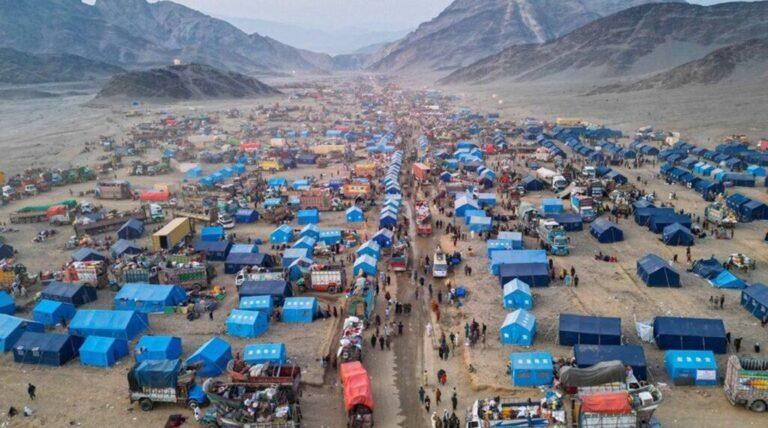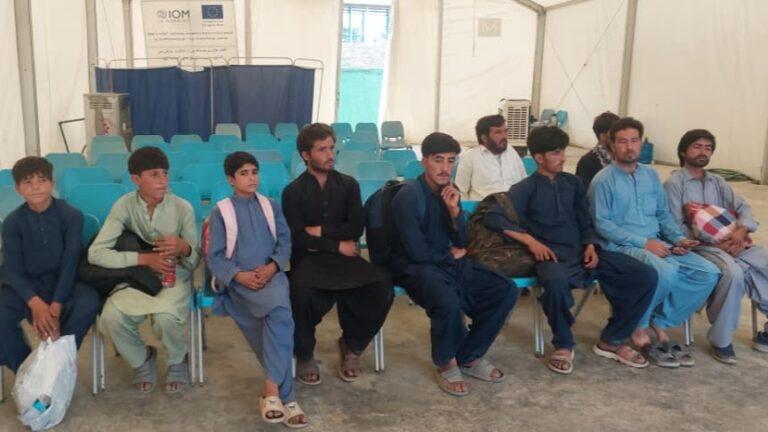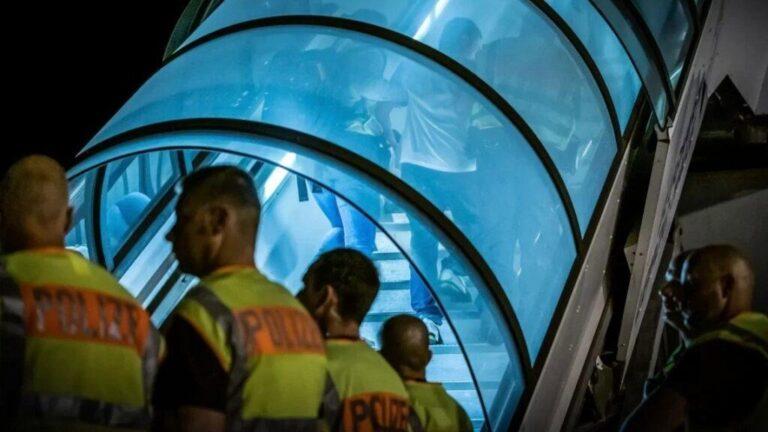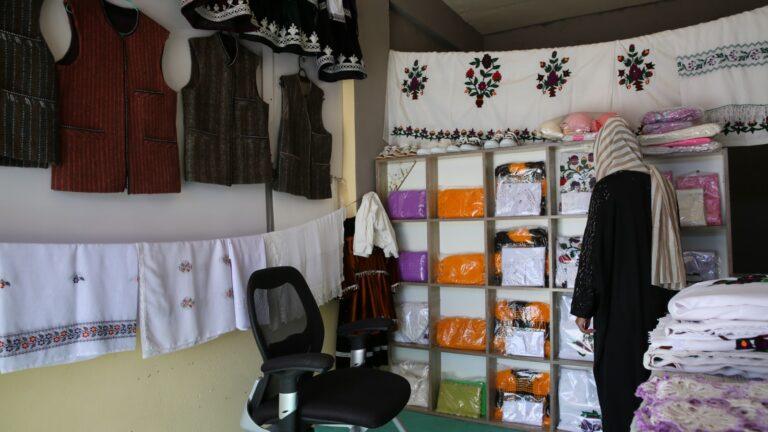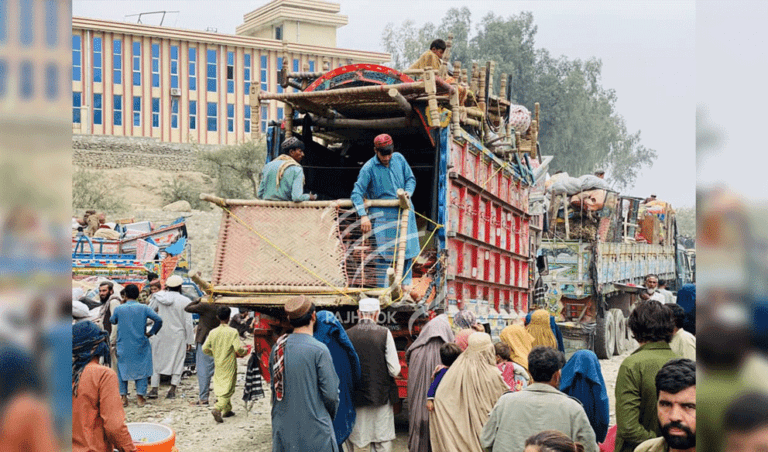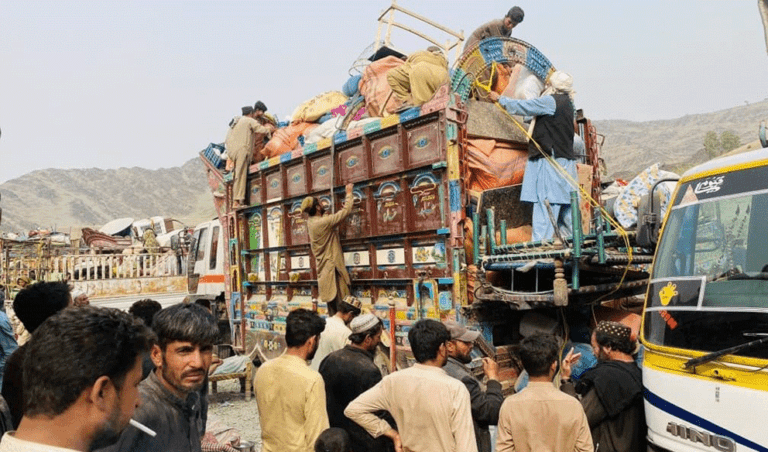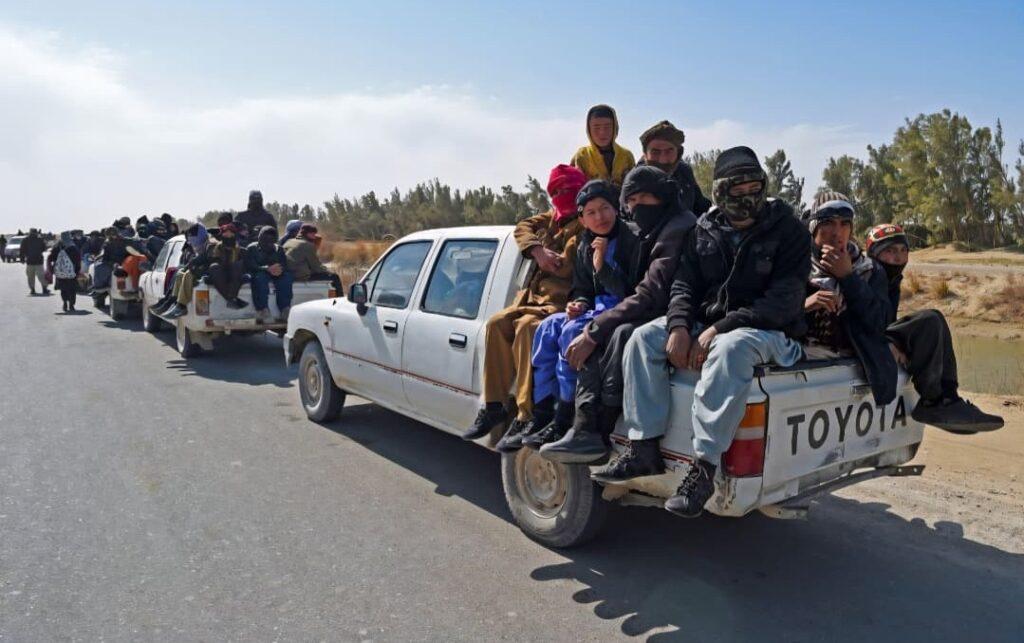

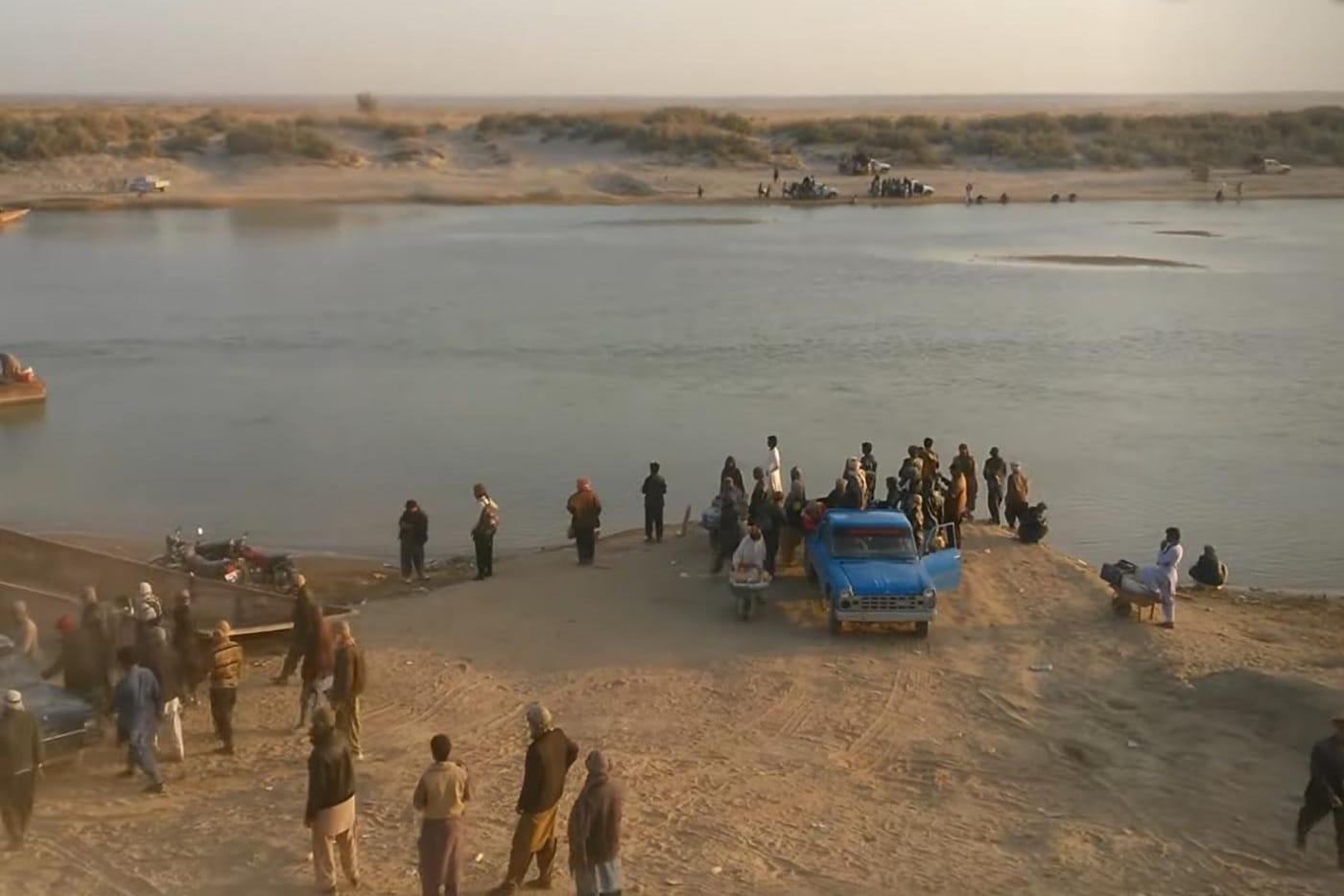
ZARANJ (Pajhwok): Economic hardship and a lack of jobs are forcing some Afghan youths to migrate illegally to neighbouring Iran, a perilous journey in which travellers face extreme heat, thirst, deception by smugglers and even gunfire, with some losing their lives, as in the Dasht-i-Margow incident.
Families of some victims of the illegal migration route to Iran say smugglers had downplayed the dangers of the journey by portraying the route as short and easy.
Young man: Illegal migration is gambling with your life
Zubair, a young man who entered Iran through illegal routes two years ago, told Pajhwok Afghan News that he had travelled to the neighbouring country because of unemployment and economic hardship, but was recently deported against his will.
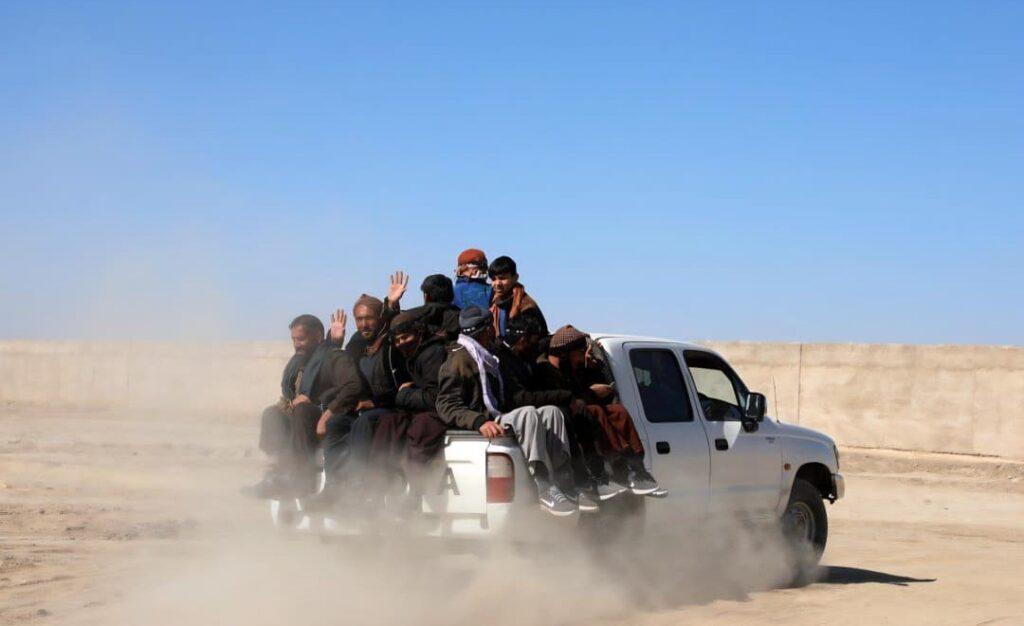
He said the smuggler had told him that the journey involved only a few hours of walking, but he spent several days and nights on the road.
He recalled that he was shot near the Iranian border during the journey but, despite being wounded, managed to reach Iran.
“Smugglers deceive young people for their own benefit. They say there is little walking, but when we reached the Kolgan area near Saravan in Iran, we hid among the mountains during the day and travelled at night,” Zubair explained.
He said extreme heat, the long distance from health facilities and limited access to water and food made the journey even more dangerous.
“Illegal migration is gambling with your life,” he said.
Deadly Dasht-i-Margow incident highlights dangers of route
According to an earlier Pajhwok report, local officials in southwestern Nimroz province said in July that 19 Afghan citizens who were attempting to travel illegally to Iran had gone missing after the vehicle carrying them broke down in Dasht-i-Margow. Their bodies were found several days later.
Families of the victims said poverty, unemployment and debt had been among the main reasons they decided to travel to Iran, while smugglers had downplayed the dangers of the route.
Man loses four family members in Dasht-i-Margow
Mawlawi Jilan, a resident of Badghis province, told Pajhwok that he lost his brother, brother-in-law, maternal cousin and paternal cousin in the Dasht-i-Margow incident. They had been travelling illegally to Iran.
He said unemployment, poverty and financial hardship had prompted the young men to travel to Iran in search of work.
Recalling the tragedy, Jilan said: “That day, I spoke to my brother on the phone from the morning until 10:00am. The vehicle had broken down and the driver had taken it to Chahar Burjak for repairs.”
He said the driver informed local authorities that night and a search operation began the following day. However, due to the extreme heat and harsh conditions in the desert, all the passengers had died.
Mother loses 16-year-old son on migration route
Pari Gul, a resident of Qali-Ghai village in Doreh Bom district of Badghis province and the mother of 16-year-old Mohibullah, another victim of the Dasht-i-Margow incident, told Pajhwok by phone that her son was the sole breadwinner for their family of seven.
She said Mohibullah worked on other people’s farmland and earned around 200 afghanis a day, but after failing to find work for about two years, he decided to travel to Iran through an illegal route.
Pari Gul, who lost her husband several years ago, said sorrowfully: “I wish I had died of hunger. I would not have sent my son on a smuggling journey. Now we are left alone and destitute. My little boy died in the desert because of our hunger.”
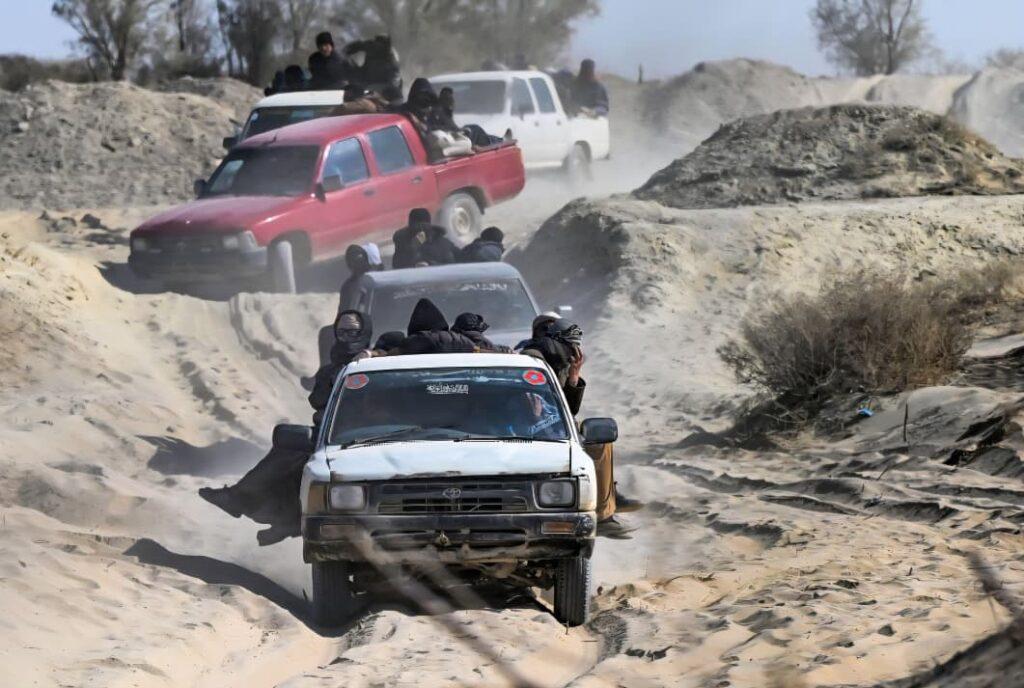
She said the smuggler had promised that there would be little walking and that the travellers would reach Iran within two days.
“The smuggler told us there was little walking and that the travellers would reach Iran within two days. When we found out, we realised that the two-day journey was only through the desert. They sent our children to their deaths. As long as we live, we will never travel illegally again,” she recalled.
The mother urged other families to prevent their children from taking illegal routes.
Poverty main driver of illegal migration among Afghans
Niamatullah Barakzai, a migration affairs expert in Nimroz, said economic factors were behind a significant proportion of illegal migration in the country, although political factors could also play a role in some cases.
He said poverty, economic hardship and unemployment, coupled with the high cost of legal migration, meant some people were unable to migrate through legal channels.
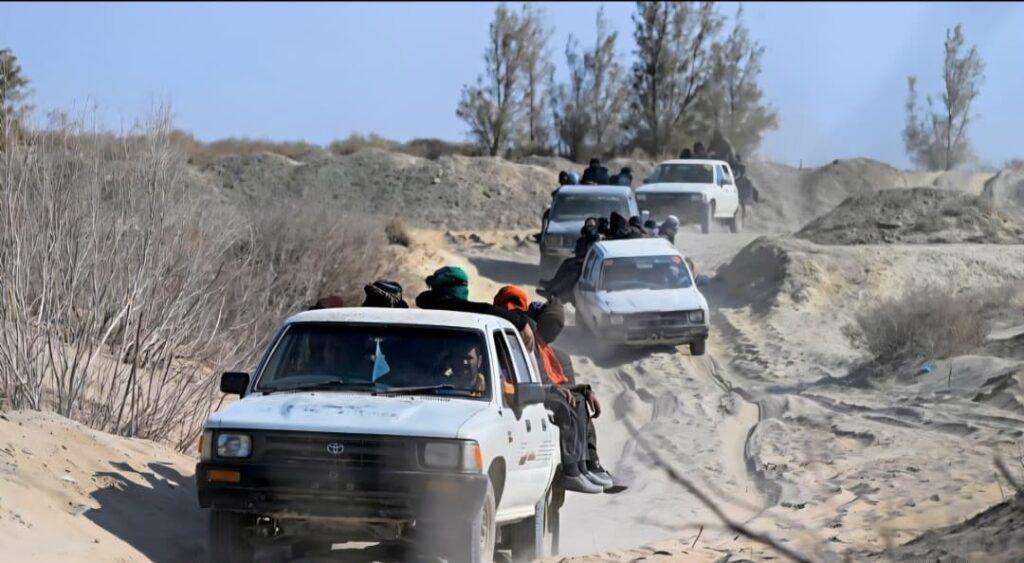
According to him, obtaining a passport and visa, as well as covering travel and living expenses in other countries, was beyond the means of many poor Afghans.
“They know themselves that illegal migration is a form of gambling with their lives. But when faced with the choice between staying and leaving, between poverty and hunger on one hand and the dangers of migration on the other, they choose to leave through illegal routes,” Barakzai said.
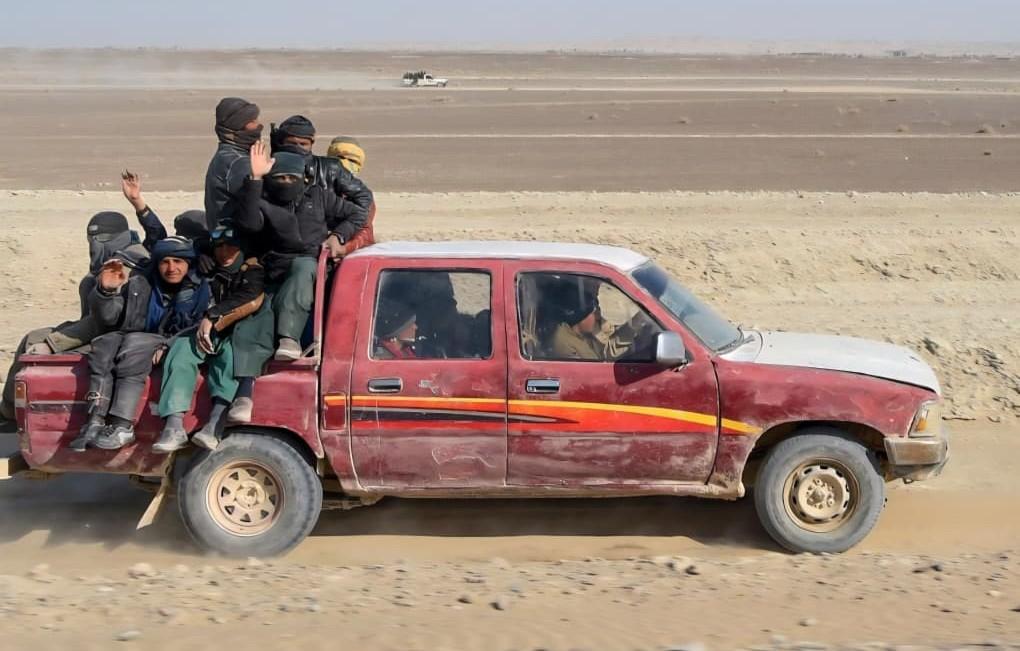
Barakzai stressed that tackling smugglers alone would not be enough to reduce illegal migration. He said job opportunities, economic development projects and legal, safe and affordable labour migration channels were also needed to reduce migration pressure.
More than 2,000 travellers prevented from leaving
Mawlawi Gul Mohammad Qudrat, police spokesman in Nimroz, said more than 2,000 travellers intending to migrate illegally had been prevented from leaving over the past month, while 74 people had been arrested in connection with human trafficking.
He said the individuals were arrested in different areas of Zaranj city and districts of Nimroz.
According to him, several vehicles were also seized from those arrested during operations against human trafficking and, after investigations, handed over to judicial and legal authorities.
However, the continued attempts by young people to use illegal routes to reach Iran show that tackling smugglers, while addressing poverty, unemployment and the lack of economic opportunities, remains a major challenge in reducing this form of migration.
Plan to prevent labour trafficking, illegal migration
Minister of Labour and Social Affairs Mawlawi Abdul Manan Omari previously said at a programme that a legal system for sending Afghan workers abroad should be established to prevent the trafficking of Afghan workers and the illegal deployment of cheap labour to foreign countries.
He also urged employment agencies to negotiate directly with private companies and the labour sectors of countries that receive foreign workers to create opportunities for the legal recruitment of Afghan workers.
kk