
KABUL (Pajhwok): The closure of trade routes between Afghanistan and Pakistan has pushed Afghan traders towards alternative routes, threatening Pakistan’s position as a supplier, export market and transit corridor, a Pakistani researcher says.
In an article published by Arab News, Naila Mahsud, a researcher in political affairs and international relations, said Pakistan had used the Torkham crossing for decades as a key trade corridor with Afghanistan and a means of exerting pressure on Kabul.
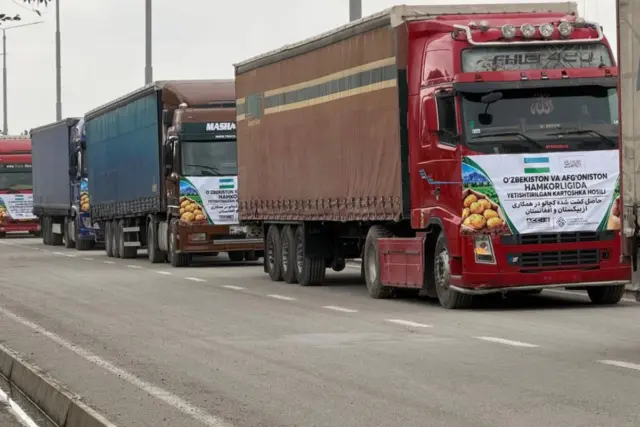
She said Afghan traders had increasingly turned to routes through Iran and Central Asia since the closure of crossings with Pakistan, becoming familiar with new transport companies, commercial agents and alternative payment methods.
Mahsud argued that traders might not readily return to their previous routes even if the crossings reopened.
She added that Pakistan’s pharmaceutical industry was among the sectors hit by the closures. According to her article, the value of Pakistan’s pharmaceutical exports fell from $457.46 million to $319.01 million, a decline of about 30 per cent. She said pharmaceutical manufacturers had blamed the trade disruptions for the drop.
The closures have also increased transport costs for Pakistani goods destined for Central Asia. Citing CNN, Mahsud said Pakistani exporter Mohammad Naeem had reported that transporting goods from Torkham to Uzbekistan previously took about a week and cost between $2,000 and $3,000.
Shipments routed through Iran now take nearly six weeks and cost between $10,000 and $13,000, he said.
Mahsud acknowledged that Afghanistan had also suffered from the prolonged closures but argued that Pakistan risked losing customers, its role as a transit route giving Afghanistan access to the sea, and its ability to use trade as a means of political pressure.
On November 12, 2025, the Islamic Emirate of Afghanistan (IEA) decided to suspend trade with Pakistan in response to repeated closures of border crossings by Islamabad, urging traders and industrialists to use alternative routes for imports and exports.
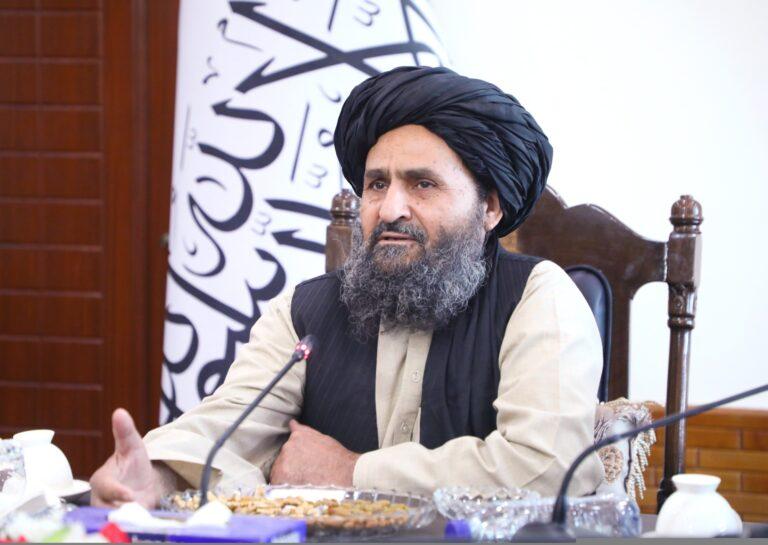
Deputy Prime Minister for Economic Affairs Mullah Abdul Ghani Baradar said at the time that Pakistan had repeatedly closed trade routes and politicised commercial and humanitarian issues, harming traders and industrialists in both countries.
IEA spokesman Zabihullah Mujahid said on December 4, 2025, that trade routes with Pakistan would only reopen if Islamabad provided firm guarantees that they would not be used as a tool of political pressure in the future.
kk/sa