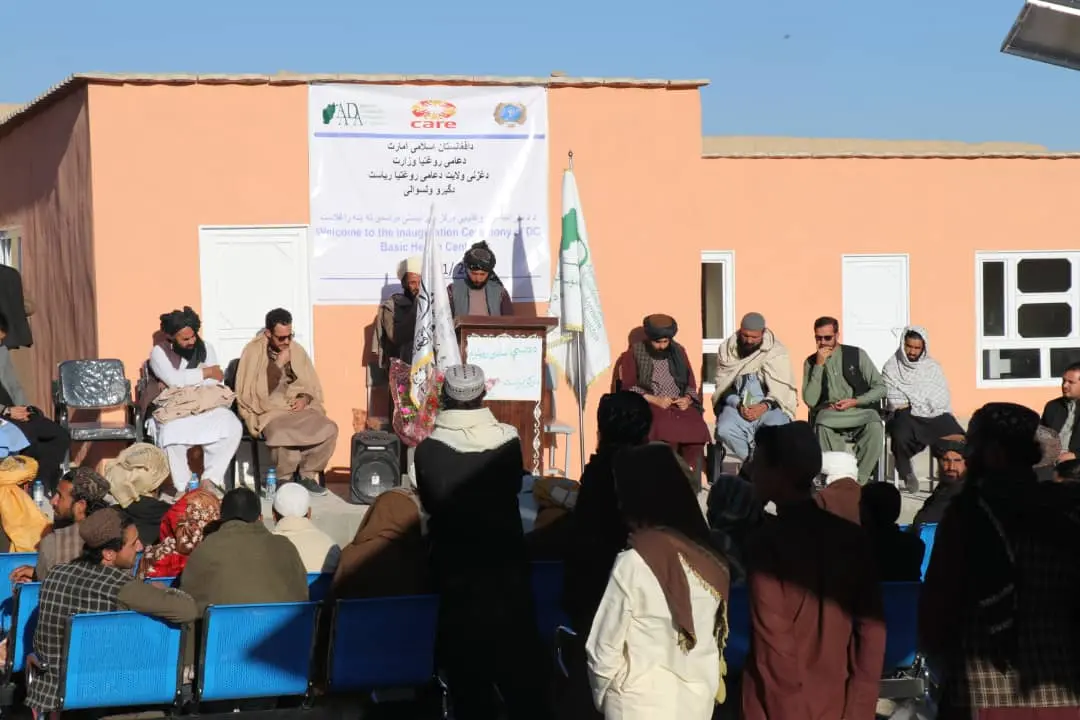
GHAZNI CITY (Pajhwok): Three primary healthcare centres have been inaugurated at a cost of $600,000 dollars in southern Ghazni province.
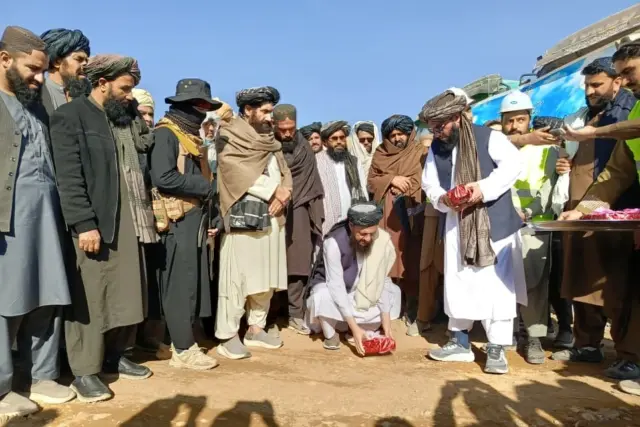
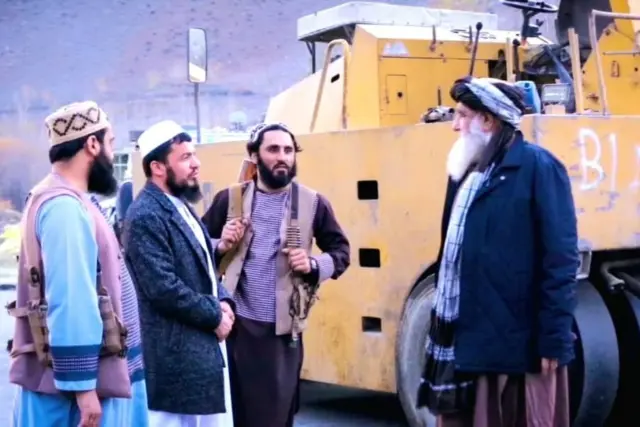
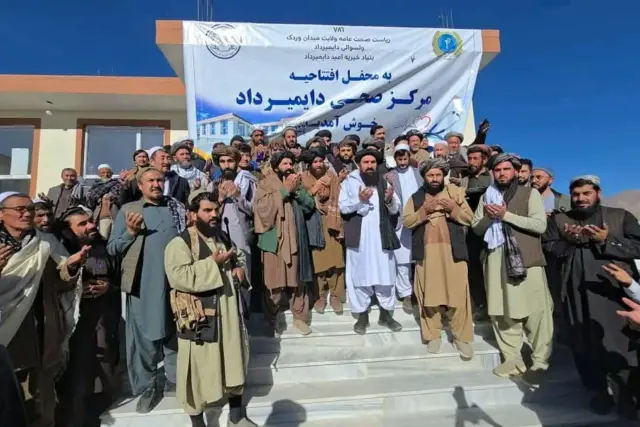
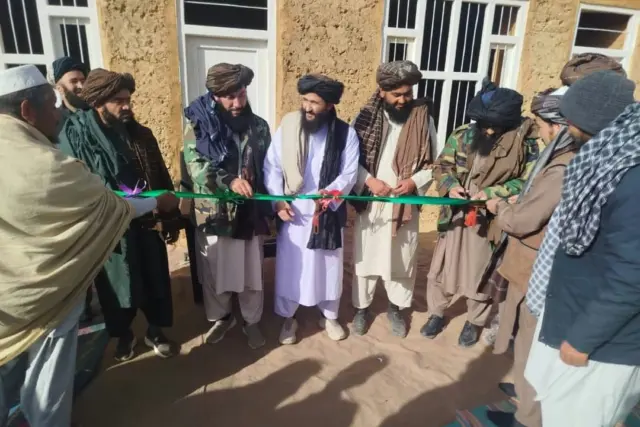
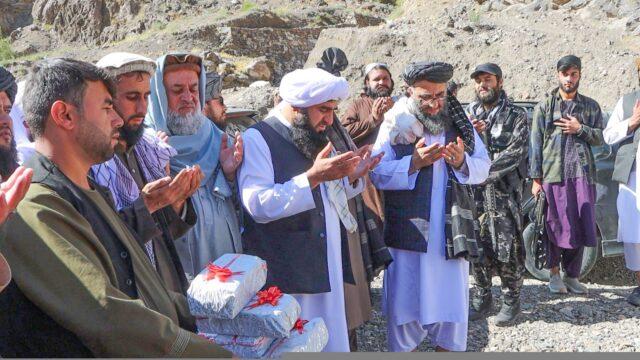
A ceremony was held in the Dehsi area of Giro district to mark the inauguration of the centres. It was attended by officials from the provincial Public Health Department, representatives of the Afghan Development Association (ADA), local officials and tribal elders.
Funded by Assistance and Relief Everywhere (CARE) Afghanistan, the centres have been inaugurated in Jaghori, Muqur and Giro districts, Dr. Ismatullah Masoomi, project manager of the European Health Organisation (UQ) project at ADA’s provincial office, told Pajhwok Afghan News.
He said the inauguration of the three healthcare centres was part of the UQ project for 2026, with a total cost of $600,000.
According to him, CARE had provided the financial support, while ADA was responsible for implementing the project in the province.
He added that medical and non-medical equipment, medicines and other essential supplies had been provided to the centres and 12 healthcare workers, including men and women, had been employed at each centre.
He explained that each centre had one supervisor, one doctor, one midwife, two nutrition workers, one mental health counsellor, two vaccinators and four staff members for two health posts.
He said ADA was also seeking to establish healthcare centres in other remote areas where residents had no access to health services.
Meanwhile, Deputy Public Health Director Dr. Izzatullah Rahmani said the Ministry of Public Health’s (MoPH) policy was to identify remote areas lacking healthcare services and provide facilities according to their needs.
He added that, under this policy, Haider in Jaghori, Largi in Maqur and Dehsi in Giro had been identified and three healthcare centres had been made operational there with ADA’s cooperation.
Rahmani said thousands of residents in the areas would gain access to primary healthcare services following the opening of the centres.
He stressed that whenever an area was registered by the Ministry of Public Health as a “white area” — meaning an area without healthcare services — efforts were made to ensure the continuous provision of health services there.
He added that the Public Health Department was seeking to strengthen coordination with other aid organisations to facilitate the establishment and operation of healthcare centres in other underserved areas.
Meanwhile, local tribal elders welcomed the opening of the centres but called for the construction of permanent, well-equipped healthcare facilities to address their communities’ long-term health needs.
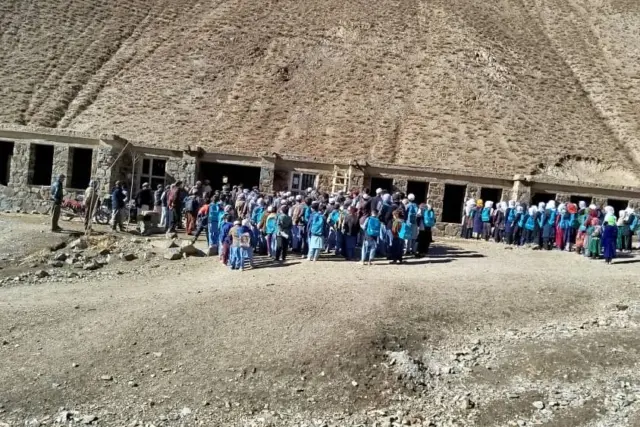
Haji Shah Gul, a tribal elder from the Dehsi area of Giro district, said around 5,000 families lived in the area and had long been deprived of healthcare services.
He added that patients had previously been taken to Ghazni city or Sharana, the capital of Paktika province, for basic treatment, with long distances, wasted time and travel costs posing major challenges for residents.
He said the activation of a healthcare centre by a contracted organisation was a temporary measure and urged the government to establish a permanent, well-equipped facility in view of the area’s large population.
Another local tribal elder, Haji Gulab, said residents of Dehsi had faced a shortage of healthcare services for years, while transporting patients to nearby health centres and cities required considerable time and money.
He added that the long journey had put patients’ lives at serious risk, particularly women in labour and emergency patients.
He urged relevant government institutions not to rely solely on temporary projects to meet the area’s healthcare needs, but to take practical steps to provide permanent services.
Ghazni has around 200 large and small healthcare centres. However, according to provincial Public Health Department officials, many areas of the province remain beyond the reach of healthcare services and around 20 additional centres are needed.
kk