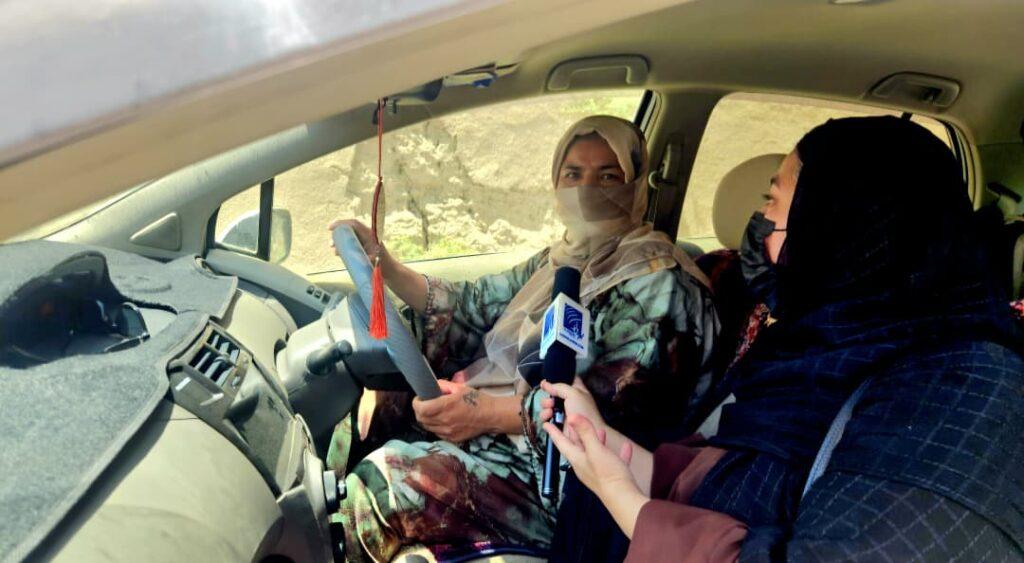

SHIBERGHAN (Pajhwok): Saira, a mother of seven in northern Jawzjan province, has become the sole breadwinner for her nine-member family by driving a taxi, proving that women can also support their households through determination and hard work.
The 38-year-old resident of Shiberghan city, the provincial capital, started driving after the death of one of her children and her husband’s illness left the family without a reliable source of income.
Before sunrise each day, while the streets of Shiberghan remain quiet, Saira tidies the house, prepares breakfast for her children and completes household chores. Once everything is in order, she picks up her car keys and begins another day behind the wheel.
For many people, a steering wheel is simply a tool for driving a vehicle. For Saira, however, it represents a life-changing decision born from one of the most painful moments of her life — the night she could not take her sick son to hospital in time.
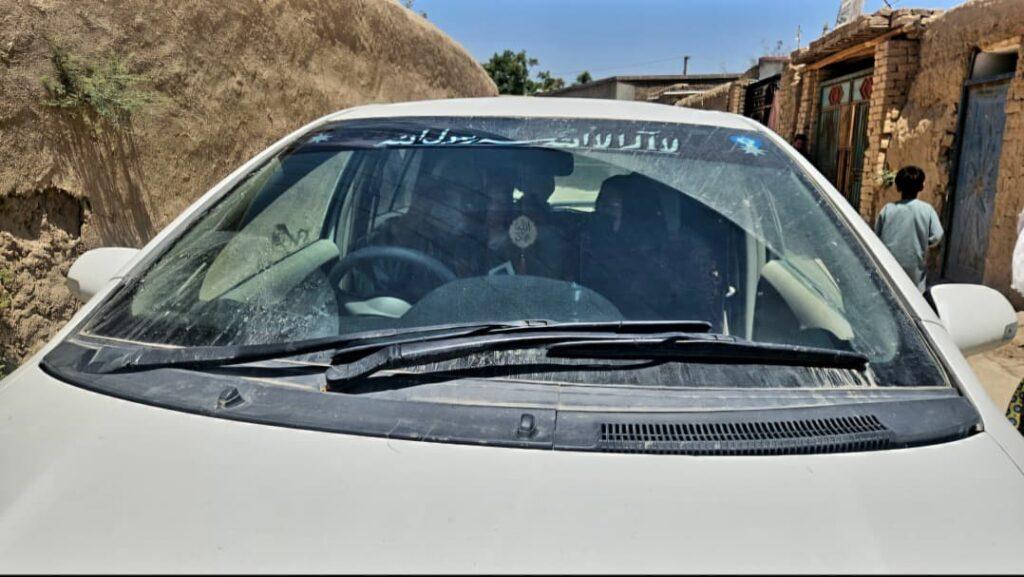
Holding back tears as she recalled the painful memory, she told Pajhwok Afghan News: “Years ago, in the middle of the night, my little son developed severe diarrhoea and vomiting. My husband was away from home. Although his car was parked outside, I did not know how to drive. If I had known, perhaps my son would still be alive. That night, I decided I would learn to drive.”
That tragedy changed the course of her life.
Saira explained that she never had the opportunity to attend school and cannot read or write. Despite social restrictions and traditional attitudes, she learned to drive and now earns a living from the profession to support her family.
The mother of six daughters and one son has worked as a city taxi driver for the past three years. Today, it is the family’s only source of income because her husband is too ill to work.
She earns an average of 400 afghanis a day, bringing in around 12,000 afghanis per month. The money helps provide food, cover her children’s education costs and meet the family’s daily needs.
With a smile reflecting both pride and exhaustion, Saira remarked: “I am proud to be a driver. Despite all the difficulties, I work with dignity and strive to earn an honest living for my family.”
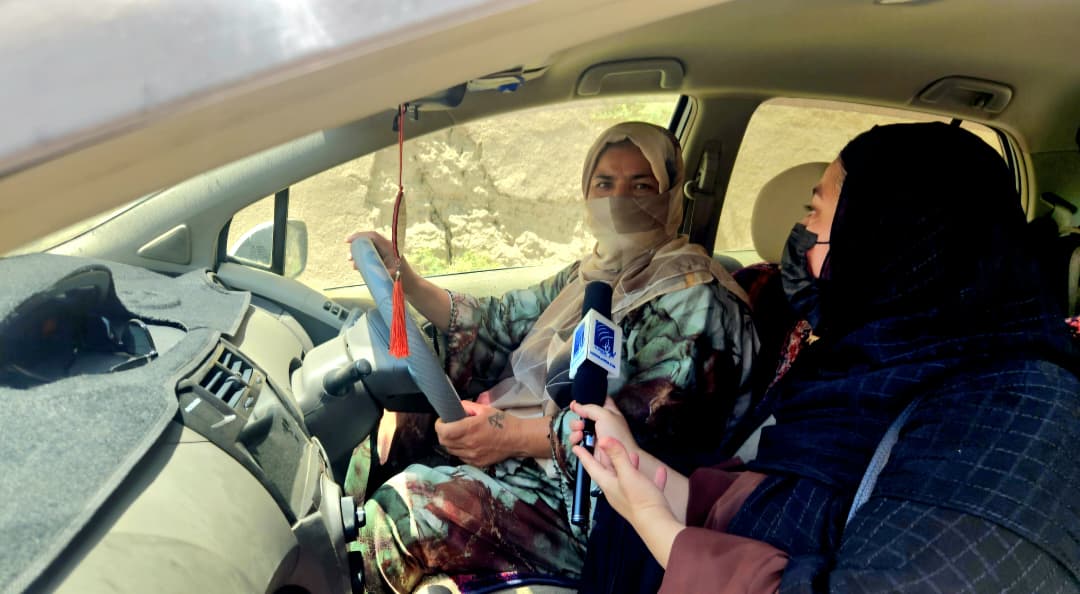
Before becoming a taxi driver, Saira tried to support her family through carpet weaving, tailoring and domestic work in other people’s homes.
Her husband also worked in agriculture and as a daily labourer, but their combined income was never enough to meet the family’s needs.
Despite carrying the financial responsibility of the household, she continues to do all the housework herself so that her children can focus on their education and build a better future.
Facing criticism on the road
Saira transports only female passengers. However, she noted that she has still faced criticism from some male drivers.
“Sometimes, when I have passengers, some drivers say, ‘Driving is not a job for women. You are putting people’s lives at risk.’ Hearing such comments is really hurtful,” she explained.
Alongside such criticism, she has also received strong encouragement from many women and members of the public.
“Most women and people with a broader outlook encourage me. Their support gives me the motivation to continue,” she added.
Saira called on the government to provide women who support their families with access to loans, vocational training and employment opportunities.
She believes women can stand alongside men in contributing to both the family economy and society if they are given opportunities.
Saira also receives support from her family.
Her mother-in-law, Bibi Hajar, expressed her happiness over Saira’s efforts, saying: “I am happy that my daughter-in-law earns an honest living through her own hard work. Our financial situation is not good, but she keeps the family going.”
She further noted that if families supported their daughters and daughters-in-law, many more women could achieve economic independence.
Saira’s presence behind the wheel has also given many female passengers greater confidence and a sense of security.
One of her passengers, Banafsha, explained: “When I travel with a woman driver, I feel much more comfortable. If there were more women drivers, travelling would become easier and safer for many women.”
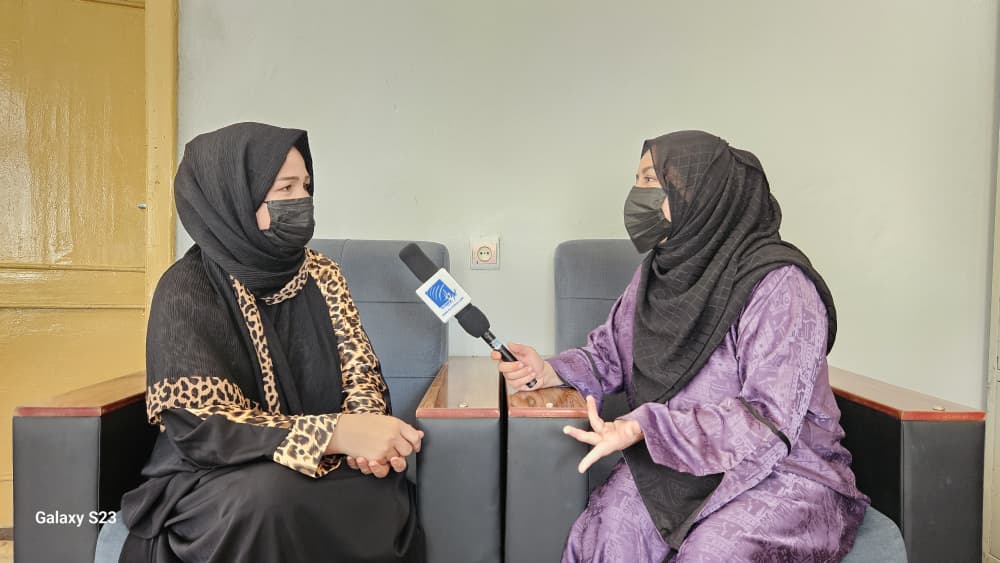
Shabnam Saadat, a social and women’s affairs expert in Jawzjan, described women like Saira as examples of resilience and empowerment.
She highlighted that women working as drivers not only create employment opportunities but also provide safer transport services for female passengers. Their achievements demonstrate that, with proper support and opportunities, women can make valuable contributions to their families and society while maintaining their dignity and self-respect.
Today, three years have passed since Saira first sat behind the steering wheel.
For others, it may simply be a means of driving a car. For her, it remains a reminder of the night when the loss of her child changed her destiny.
Every day, she drives through the streets of Shiberghan — not only taking passengers to their destinations, but also keeping her family together and proving that sometimes life’s greatest decisions are born from its deepest sorrows.
kk