KABUL (Pajhwok): Some people and health specialists believe that mobile health teams are effective in remote areas of the country and are calling for their
At least 32 traffic accidents have occurred along the Kabul–Kandahar highway passing through southern Ghazni province over the past three months, leaving around 100 people dead or injured, officials and residents said.
A number of farmers in southern Kandahar province say the water level in Dahla Dam has sharply decreased due to heavy sedimentation and lack of rainfall, severely affecting agriculture and orchards.
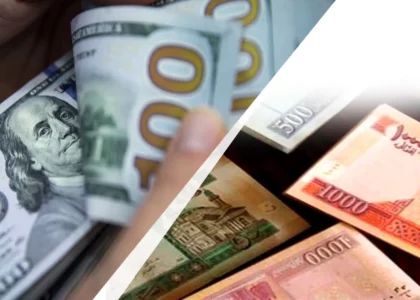
KABUL (Pajhwok): Some international organizations estimated Afghanistan’s population at 42.6 million people in 2024, but the National Statistics and Information Authority (ASIA) declares these figures
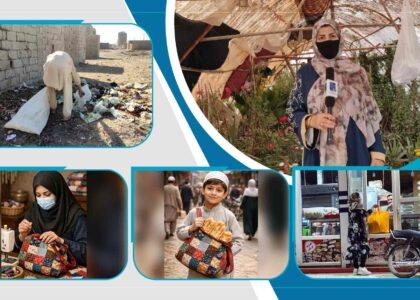
KABUL (Pajhwok): A number of Afghan women, sharing their experiences and activities concerning family, education, economy, health and the environment, say that despite numerous challenges,
KABUL (Pajhwok): Climate change has also adversely affected the health sector in Afghanistan and has led to an increase in some diseases. Analysts say that
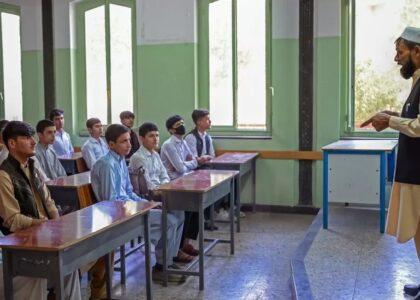
KABUL (Pajhwok): As the current academic year draws to a close, a number of Afghan girls--- who stress that observing the Islamic hijab is their religious duty--- are calling on the Islamic Emirate of Afghanistan (IEA) to allow them to return to high schools and universities in the upcoming academic year.
A number of women in western Herat province have established small pickle-making workshops to help meet their families’ needs. However, they complain about a sluggish market and the lack of opportunities to sell their products.
NEILI (Pajhwok): Orchard owners in Daikundi say almonds have proved resilient to water shortages and remain the only crop sustaining local livelihoods, even as recent droughts have severely affected agriculture in the central province.
A number of residents in southern Ghazni province say that due to the ongoing drought and severe air pollution, many people have been suffering from various illnesses.
Some women engaged in making handicrafts in northwestern Nimroz complain about low income despite their hard work and the lack of direct access to markets. They urge the Islamic Emirate of Afghanistan (IEA) to establish a special marketplace for selling their handmade products.
Some Afghan migrants who have returned from Iran to Zaranj, the capital of southwestern Nimroz province, are struggling not only with poverty and homelessness but also with deep psychological trauma.
GET IN TOUCH
NEWSLETTER
SUGGEST A STORY
PAJHWOK MOBILE APP