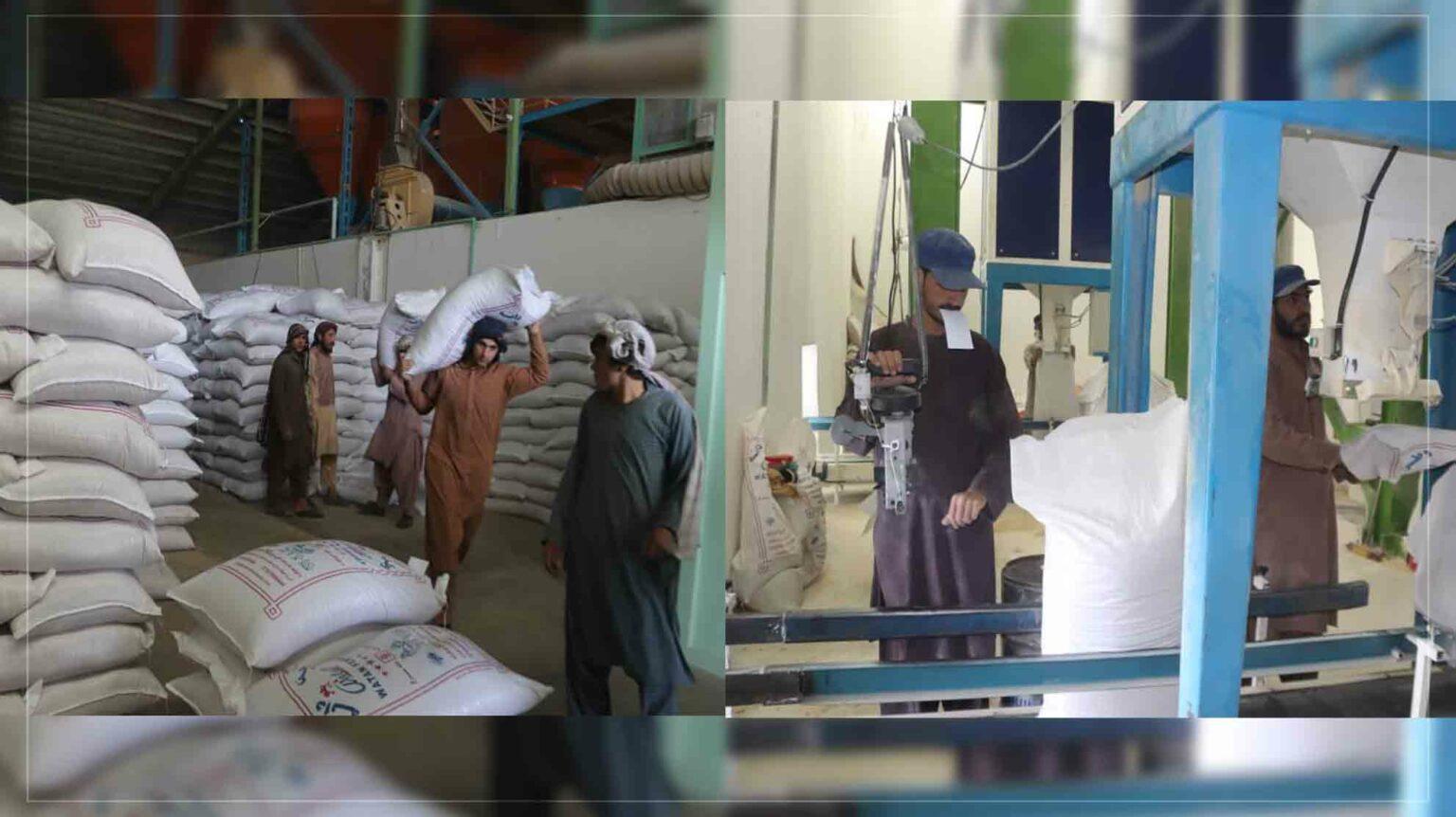
KANDAHAR CITY (Pajhwok): The Chamber of Industry and Mines says eight poultry feed factories are currently operating in southern Kandahar province.
Given the right resources, these feed mills could even begin exporting their products to neighboring countries, the chamber believes.
Syed Sarwar Aman, head of the chamber, told Pajhwok Afghan News poultry feed, which came from neighbouring countries and was often found harmful to chickens, was no longer being imported.
He informed poultry farmers in Kandahar no longer struggled with the issue, as high-quality feed was being produced locally at competitive prices. The feed is distributed not only across Kandahar, but is also sent to other provinces.
“We currently have eight poultry feed factories in Kandahar, supplying their products to many provinces. We could even export feed to neighbouring countries, but the necessary infrastructure for this is not yet in place,” said Aman.
While no additional investments are needed locally in the poultry feed sector, Aman highlighted the critical need for increased cultivation of raw materials, particularly soybeans. Soybeans are in high demand and could serve as a viable alternative to poppy cultivation.
Although poultry feed production in Kandahar is meeting current demands, Aman noted a shortage of raw materials, particularly soybeans.
Soybeans are essential for producing poultry feed, but they are not grown in sufficient quantities locally, forcing factories to import them from other countries.
Officials from the mills in Kandahar say they are producing hundreds of tonnes of poultry feed daily, maintaining high quality.
Mohammad Alam Aslami, a factory official, estimate they produce around 400 tonnes of feed every 24 hours. His factory has hired 150 workers. However, he pointed out that soybeans were the only raw material in short supply.
“Our products are supplied to nearly 20 provinces, and in the past, we even exported them across the Durand Line. We face a shortage of soybeans, which we have to import. If local farmers increase soybean cultivation, this issue can be resolved,” Aslami explained.
In response to growing demand for soybeans, officials from the Department of Agriculture and Livestock in Kandahar have started efforts to raise awareness among farmers about its cultivation.
Mohammad Hanif Haqmal, a spokesman for the department, told Pajhwok, “It’s encouraging that soybeans are being used in factories here. We are working to encourage farmers to cultivate soybeans, but large-scale cultivation is not yet taking place in Kandahar.”
sa/mud