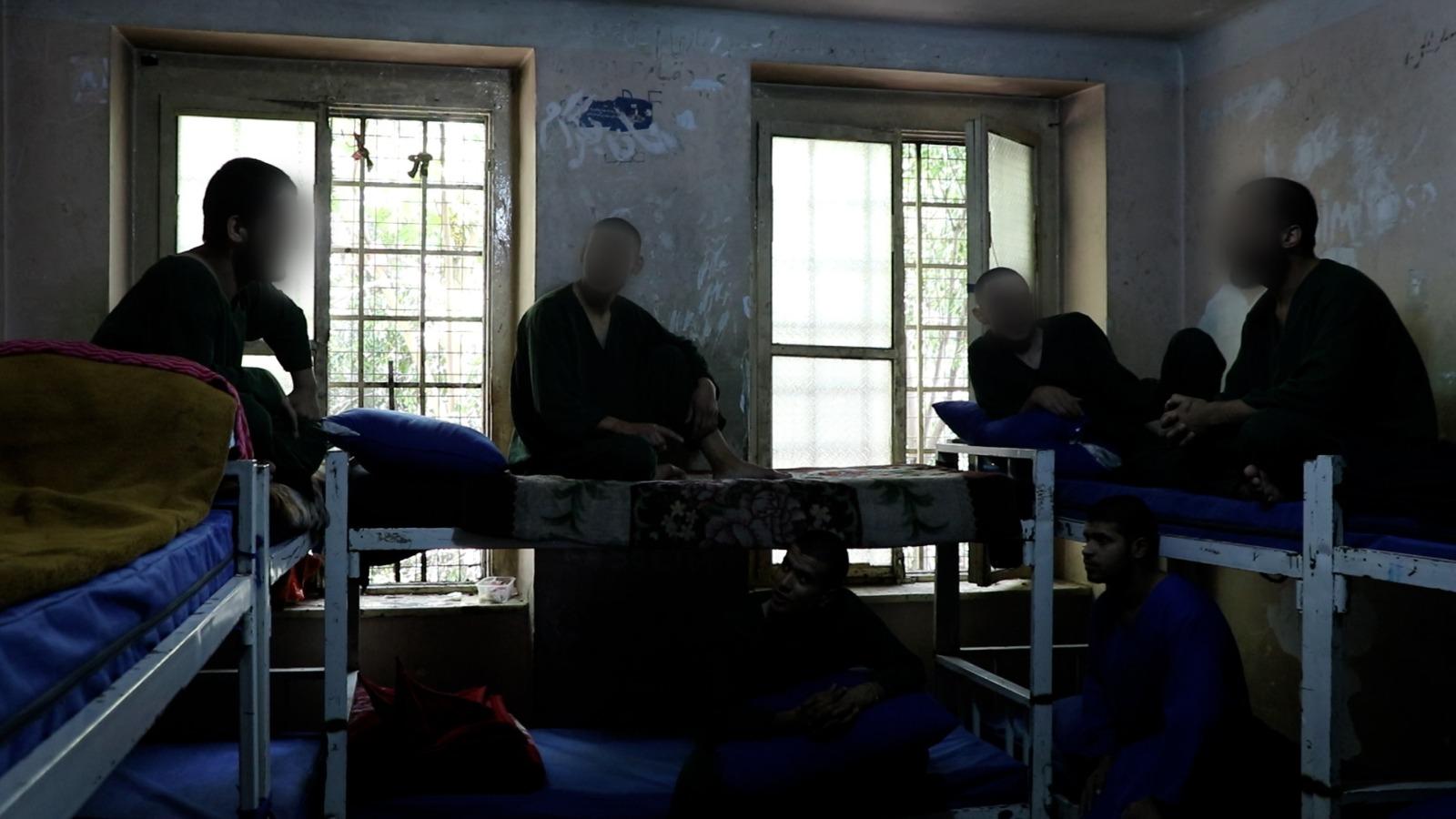
KABUL (Pajhwok): A number of teenagers undergoing treatment at the 450-bed Jangalak Drug Rehabilitation Hospital say they became addicted to “K Tablets” and “Zicap” after friends encouraged them to try the pills, which were initially provided free of charge before dealers began charging once dependence developed.
Meanwhile, the Ministry of Interior (MoI) says the drugs are being smuggled into Afghanistan and that measures are underway to curb their distribution.
Teenagers describe how they became trapped by K Tablets and Zicap
At the Jangalak Drug Rehabilitation Hospital, where dozens of young people are receiving treatment to overcome addiction, patients share similar stories despite differences in their backgrounds: most say they first used K Tablets and Zicap after being persuaded by friends or dealers.
Mohammad Shakir, a 10th-grade student from Kabul’s Doghabad area, is among those currently receiving treatment.
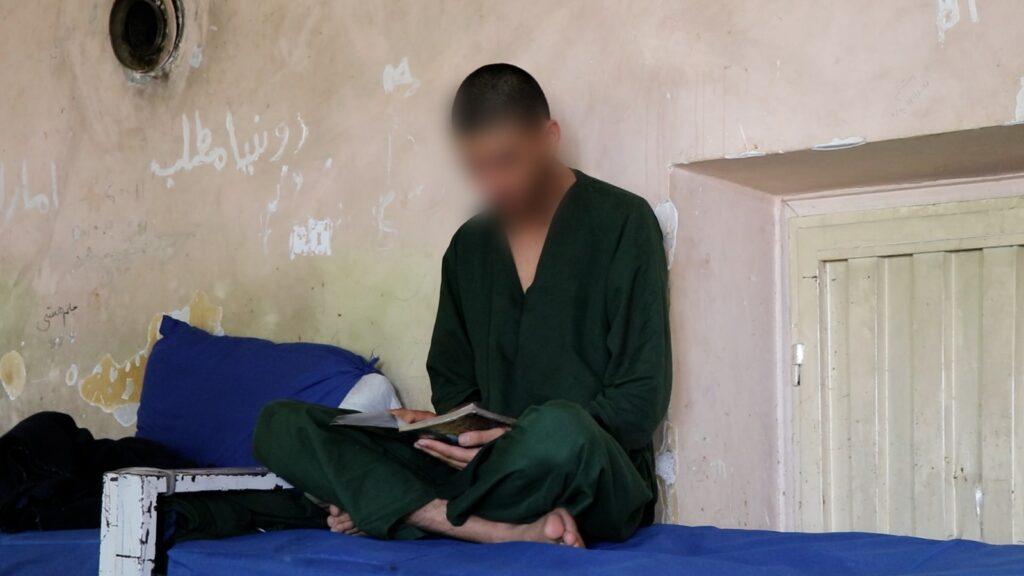
“My friends told me that Zicap and K Tablets were good. I took one tablet, then another. Later, one tablet no longer had any effect and I started taking three or four at a time,” he recalled.
He said he first used Zicap, which cost 20 afghanis per tablet, before switching to K Tablets, which later cost up to 200 afghanis each.
“Dealers provide the tablets free of charge for the first few days, but after a person becomes addicted, they start demanding money,” he said.
Shakir said most sellers were users themselves who operated in groups.
After becoming addicted, he said he lost interest in school and began missing classes. He added that he did not know the pills were addictive when he first started taking them.
“The first time I used them, I felt happy and energetic and thought I could work better. But on days when I did not take them, my whole body would ache and I could not do anything.”
He said his family only discovered his addiction after his brother went to school and learned that he had not attended classes for a month.
“When I told him the truth, my parents became angry at first, but later they brought me to the hospital,” he said.
Nineteen-year-old Zabihullah, another patient at the hospital, said he became addicted while working as a driver.
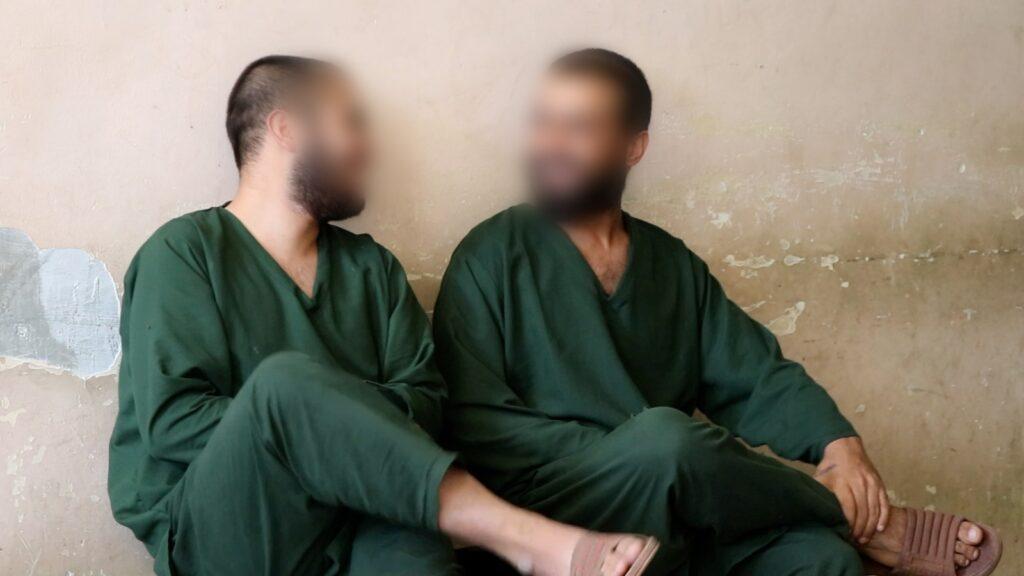
“When I went out with friends, they mixed the pills into energy drinks. At first, I refused, but one day I tried them out of curiosity. I used them again on the second and third days, and by the fourth day I was addicted,” he said.
He added that he later asked his friends where they obtained the pills and began purchasing them himself.
After about a year of addiction, Zabihullah said he had spent 40 days receiving treatment in Kabul and his condition had improved.
Najibullah, a 10th-grade student from Kabul’s Ashiqan wa Arefan area, said bad friends introduced him to K Tablets and Zicap.
“When I first used the tablets, they made me feel happy and relaxed,” he said.
Najibullah said he initially had no intention of quitting, but his brother convinced him to seek treatment.
“On the days I did not use the tablets, I behaved badly with my family and became angry quickly. Thank God, I am much better now. The treatment was difficult, but I am satisfied. I will stay away from bad friends, and my only plan is to remember Allah and exercise.”
The three young men urged other teenagers not to be misled by friends or experiment with such pills, warning that addiction can destroy lives and futures. They also called on the Islamic Emirate of Afghanistan (IEA) to prevent the sale and distribution of these substances.
Families express concerns
Ahmad, who is accompanying his younger brother at the hospital, said his 20-year-old sibling became addicted to Zicap, K Tablets and hashish before being admitted for treatment. He said his brother’s condition improved after 45 days of treatment.
“When I realised my brother had become addicted, the whole family was devastated. We thought we had lost him. We had no option but to force him into treatment,” he said.
Alia, a resident of Kabul’s Qala-e-Zaman Khan area, welcomed efforts by authorities to remove drug users from the streets but warned that the sale of Zicap and K Tablets had become widespread.
“In our area, liquor shops were closed, which was a positive step. But unfortunately, the sale of Zicap and K Tablets has increased sharply. In almost every street and alley, teenagers are being encouraged to use them,” she said.
Both called on authorities to arrest drug sellers and prosecute them.
Doctors warn of health consequences
Dr Mohammad Wamiq Sharifi, a psychologist at Jangalak Drug Rehabilitation Hospital, said K Tablets had no fixed composition.
He said raw materials used in producing the tablets had previously been smuggled into Afghanistan from neighbouring countries and mixed in illegal laboratories with substances including methamphetamine, heroin and tramadol.
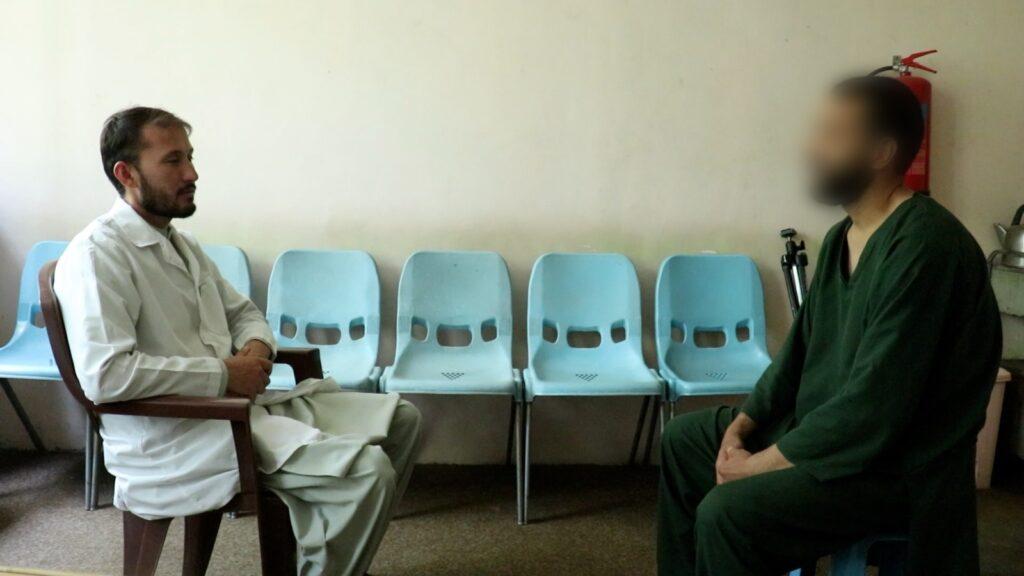
Sharifi said Zicap is the brand name of pregabalin, a medicine prescribed for seizures and nerve pain, but warned that non-medical use could lead to dependence and addiction.
According to him, prolonged use of Zicap can cause psychological dependence, while K Tablets, due to their unknown ingredients, may result in long-term damage to brain cells, depression, anxiety and hallucinations.
He attributed the rising use of these substances among young people to reduced access to traditional narcotics, easy availability of some medicines and weak monitoring of distribution networks.
Most patients admitted to the hospital, he said, are users of these substances.
Treatment at the centre lasts 45 days. The first 15 days focus on detoxification, followed by psychological rehabilitation and life-skills training. Patients continue receiving counselling and follow-up support for up to a year after discharge.
Sharifi urged young people not to be deceived by the temporary effects of the drugs.
“The pleasure these tablets provide is short-lived, but their consequences can affect a person’s life for many years,” he said.
Dr Sayed Farid Shah Rafiei, an internal medicine specialist at Wazir Mohammad Akbar Khan Hospital, warned that misuse of these substances could cause high blood pressure, irregular heartbeat, respiratory failure, kidney and liver damage, heart attacks, strokes, mental disorders, loss of consciousness, coma and even death.
He said the hospital had treated several fatal cases linked to the misuse of such tablets, particularly among young people.
Abdul Qayyum Golestani, another doctor at the hospital, said around 410 patients were currently receiving treatment at the 450-bed facility, most of whom had previously used K Tablets and Zicap.
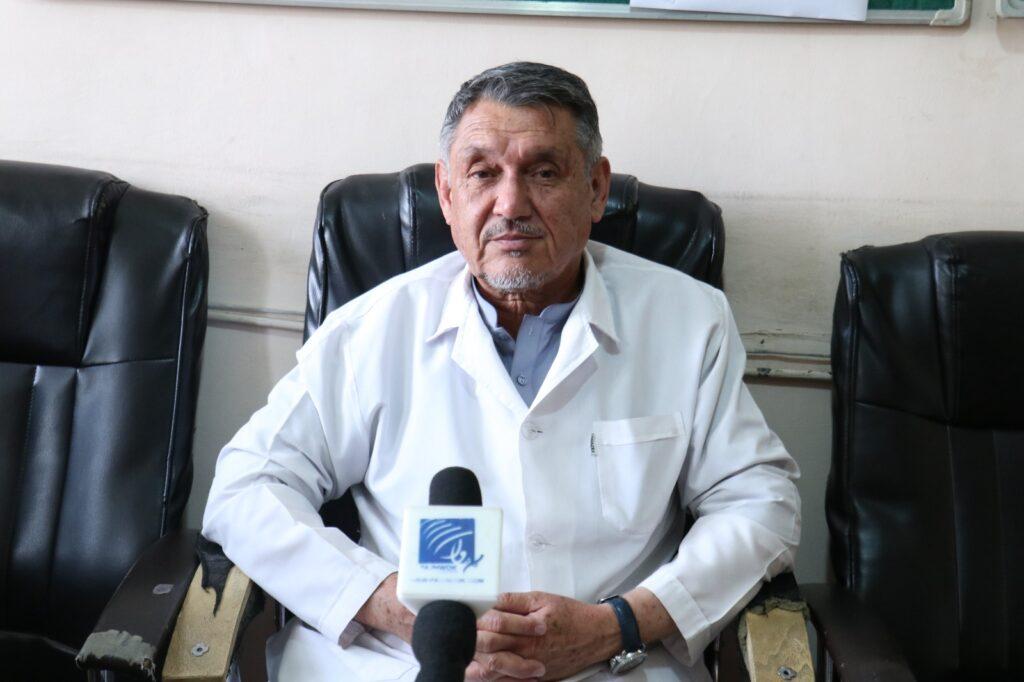
He said most patients were aged between 18 and 42 and that use of these substances had increased significantly in recent years.
According to Golestani, reduced access to opium, the low price and easy availability of K Tablets and Zicap, misconceptions about their safety and ongoing smuggling are among the main reasons behind their growing use.
Based on official figures, more than 45,000 drug users received treatment at 68 rehabilitation centres across Afghanistan over the past year.
Measures to prevent smuggling
MoI spokesman Mufti Abdul Mateen Qani said cultivation and production of traditional narcotics in Afghanistan had fallen to “almost zero”, but the smuggling of synthetic drugs, including K Tablets and Zicap, remained a major challenge.
He said the drugs were mainly being smuggled from neighbouring countries, particularly Pakistan.
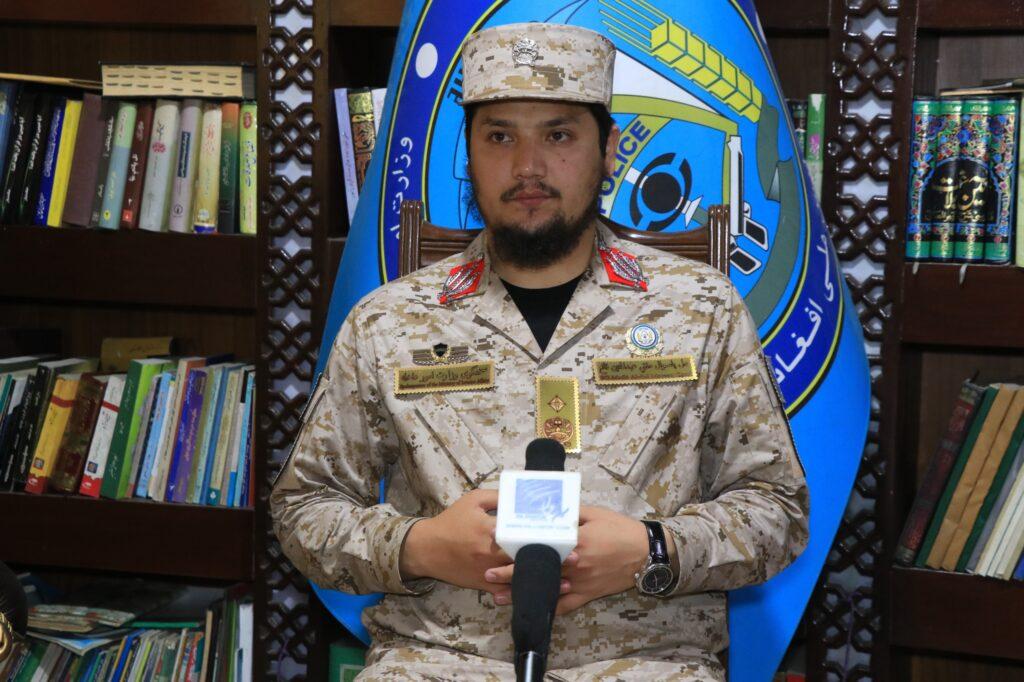
“We have many documented cases showing that neighbouring countries, and even some European countries, manufacture K Tablets and other modern narcotics, which are then smuggled into Afghanistan,” he said.
Qani said the ministry had launched a joint plan with other security agencies to prevent smuggling and strengthen oversight of the import and sale of such substances.
He added that over the past four years, around 10,000 tonnes of narcotics had been seized and destroyed, 74,000 addicts had received treatment, and nearly 2,500 drug production factories and laboratories had been dismantled.
Qani stressed the need for greater public awareness among families and young people and called on the international community to support efforts to combat drug trafficking, treat addicts and create alternative livelihoods.
Pajhwok also sought comments from the Ministry of Public Health but was unable to reach officials.
Previously, the ministry told Pajhwok that, based on a 2017 survey, nearly 3.5 million people in Afghanistan were affected by drug addiction, including about 85,000 women and children.
kk/sa