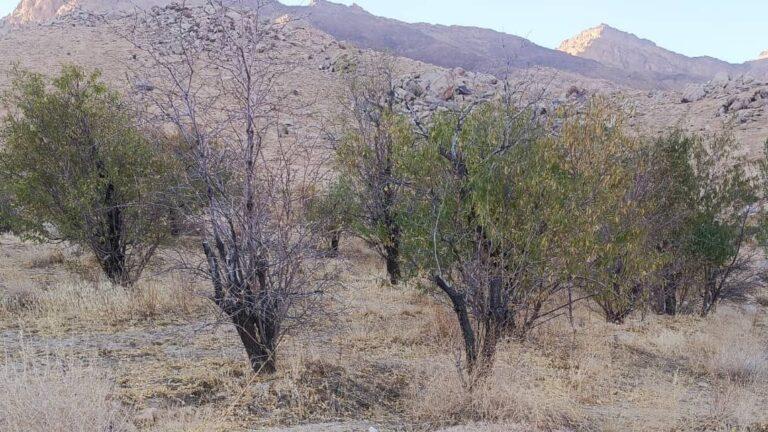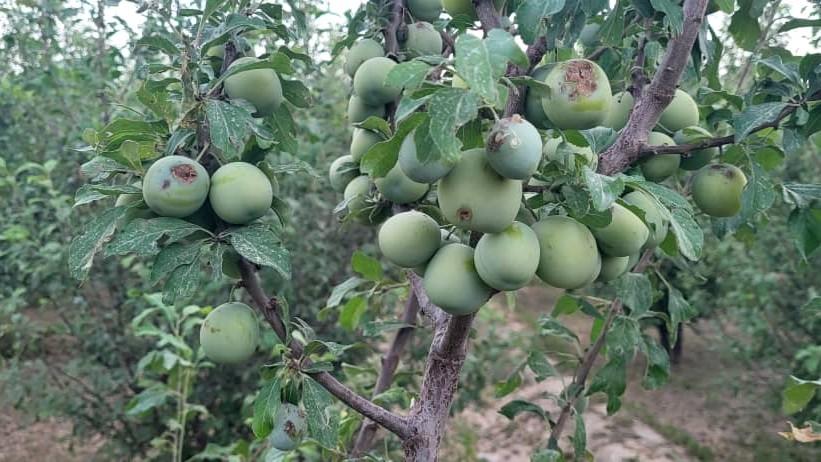

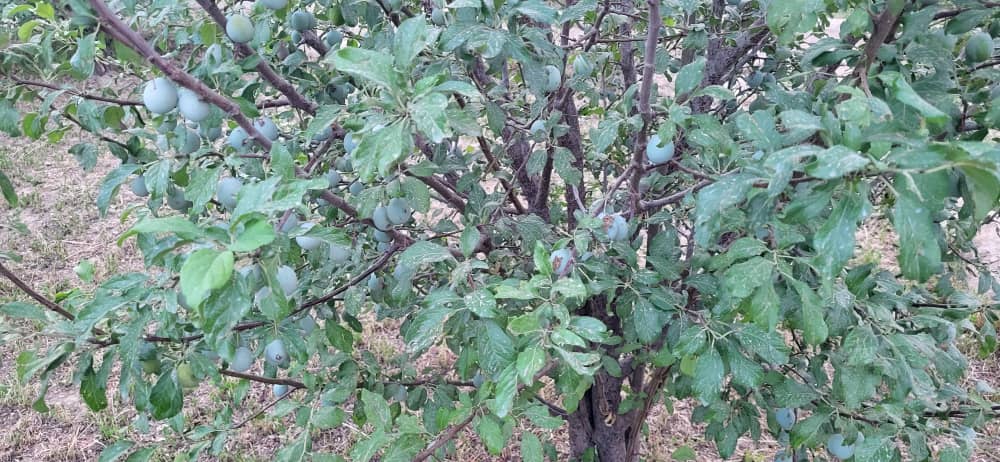
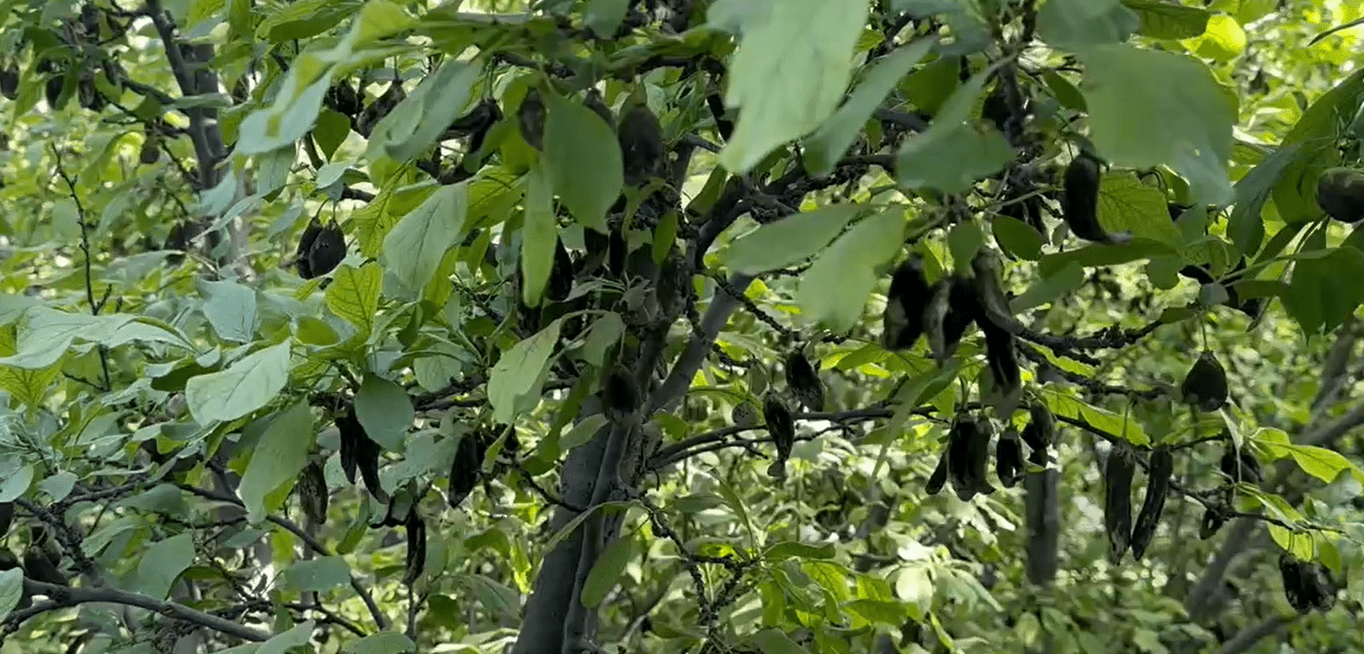
GHAZNI CITY (Pajhwok): A number of orchard owners in Khwaja Omari district of southern Ghazni province say a plant disease locally known as “Khaksarak” has spread through plum orchards, damaging this year’s harvest.
They have called on the government and aid organisations to help contain the outbreak.
Haji Omid, an orchard owner from Qala-i-Naw village in Khwaja Omari district, told Pajhwok Afghan News that around 60 percent of the trees in his orchard had been affected by the disease.
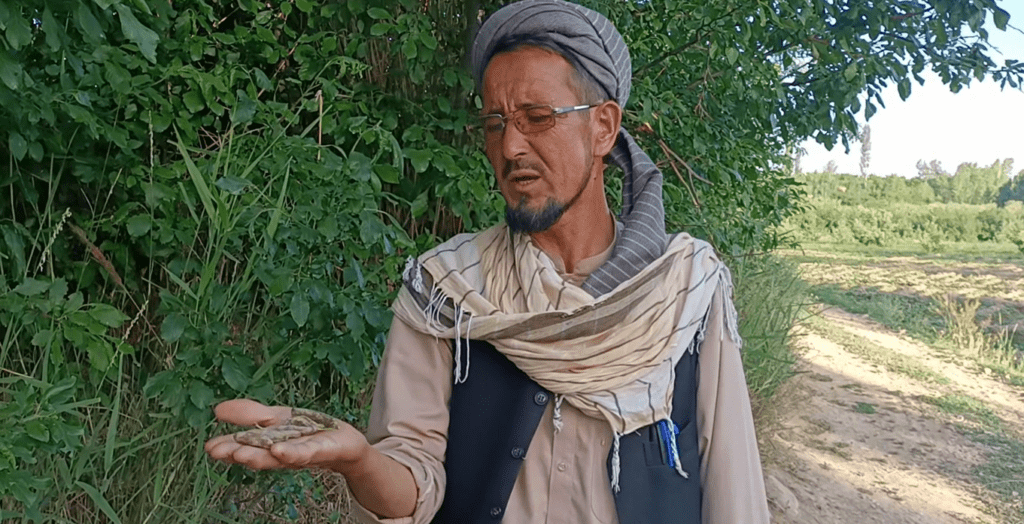
He said the disease caused the fruit to dry up and perish before ripening, adding that he had never encountered such an outbreak before.
Another orchard owner, Sadr, from the Ganbat area of the district, also said plum trees had been infected this year, destroying a large proportion of the crop.
He recalled last year’s harvest had been damaged by heavy rain and hailstorms, while this year’s outbreak had further compounded the difficulties facing orchard owners.
According to him, the disease has also spread to other parts of the district.
Several other orchard owners confirmed the outbreak and urged the government and humanitarian organisations to take practical measures to control the disease and provide farmers with the necessary technical guidance.
Meanwhile, Zakaria Hotak, plant protection manager at the Ghazni Department of Agriculture, Irrigation and Livestock, confirmed the presence of the disease, saying different plant diseases and pests emerge every year with the arrival of spring and the new growing season.
He said increased rainfall and high humidity this year had contributed to the spread of diseases and pests in plum, apple and several other fruit orchards, not only in Khwaja Omari district but also in other parts of Ghazni province.
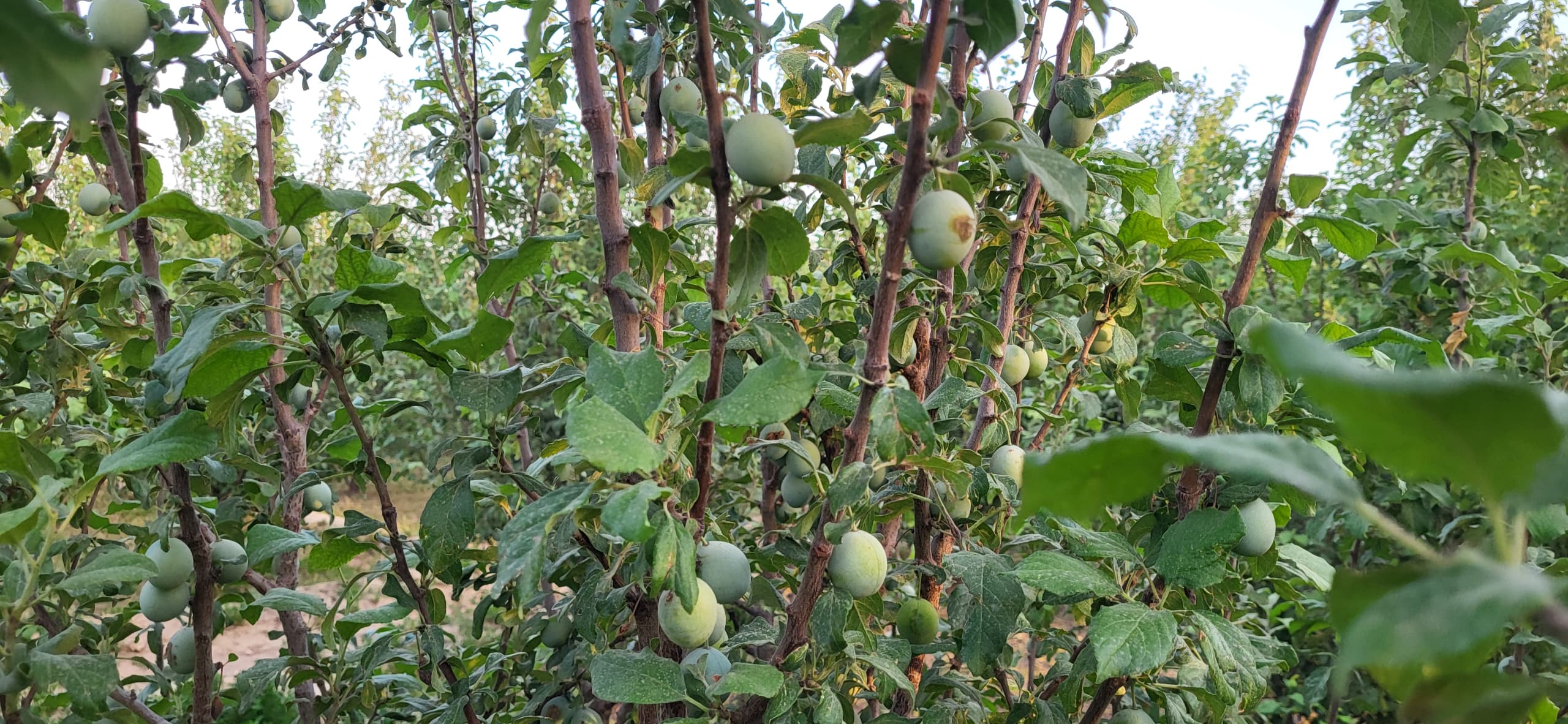
Hotak said the disease, known locally as “Khaksarak”, had damaged plum orchards in Khwaja Omari as well as several other areas of the province.
He noted plant protection specialists from the department received disease samples from farmers across the provincial capital and districts on a daily basis, examined them and provided technical advice on treatment and prevention.
He added that available pesticides and treatment products were distributed to farmers free of charge, while those not in stock were recommended for purchase from the market.
According to Hotak, many farmers from different parts of Ghazni have reported concerns about plant diseases to the department. However, he stressed that most plant diseases and pests could be controlled through the timely use of appropriate treatment and management practices.
Agricultural expert Eng. Sediqullah Afghan said the disease was contagious and could spread from one tree to another.
He told Pajhwok the disease not only destroyed the current year’s harvest but, if left untreated, could also cause trees to dry up the following season.
He said climate change, limited awareness among farmers about plant diseases, inadequate diagnosis and environmental factors were among the main factors affecting orchard productivity.
He emphasised that the government and relevant organisations should work closely with farmers and strengthen awareness programmes on disease prevention and management.
Ghazni is one of Afghanistan’s leading plum-producing provinces, with its high-quality produce enjoying a strong reputation in both domestic and international markets.
However, orchard owners warned that unless timely action was taken to contain the disease, plum production and the livelihoods of thousands of families could suffer serious losses.
hz/kk