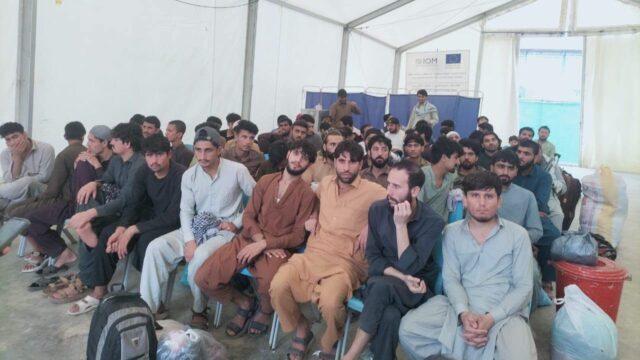
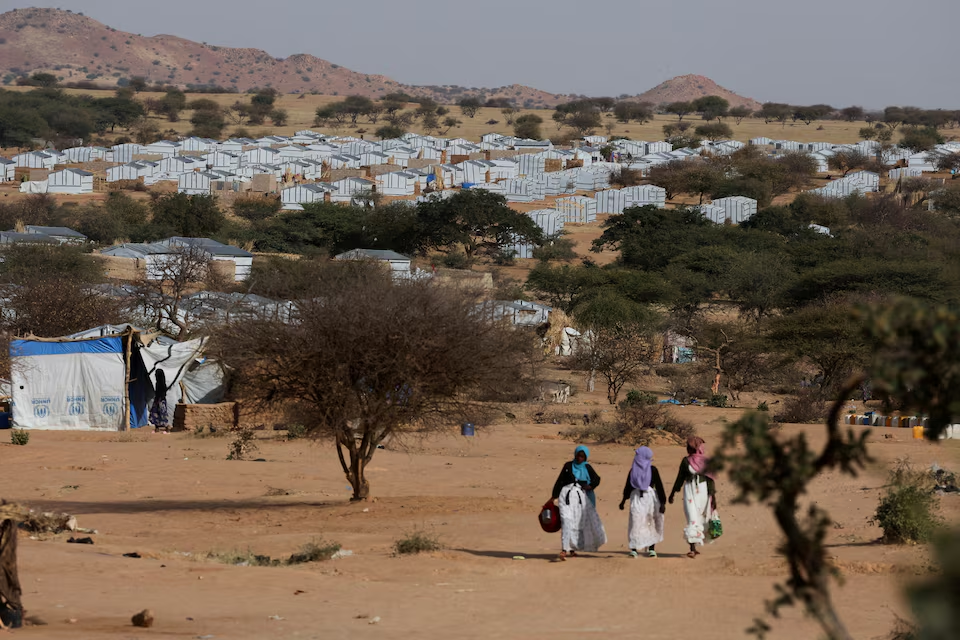
KABUL (Pajhwok): Nearly 90 million displaced people worldwide are living in countries increasingly exposed to climate-related threats, including droughts, floods and extreme heat, while almost three-quarters of the global displaced population live in countries such as Afghanistan and Bangladesh that face serious climate risks, the United Nations High Commissioner for Refugees (UNHCR) says.
According to Reuters, UNHCR issued the warning in a new report released on Friday (November 6), saying climate change was putting millions of displaced people at serious risk and calling for increased financial assistance to help them cope with its effects.
The report, published ahead of the UN Climate Change Conference (COP31) in Antalya, Türkiye, says conflict, displacement and climate change are interconnected challenges.
UNHCR said nearly three-quarters of the world’s displaced population live in countries such as Afghanistan and Bangladesh, which are highly vulnerable to climate change.
The agency’s Assistant High Commissioner for Operations, Antón Leis García, said adapting to climate change in insecure areas affected by displacement was a matter of survival for communities.
He added that climate finance must reach the communities most in need to help them cope with the effects of climate change.
According to the report, climate change is also making it more difficult for displaced people to return home and rebuild sustainable lives in their places of origin.
It added that during the first half of 2026, more than two-thirds of returning refugees went back to countries facing severe climate risks, leaving them vulnerable to further displacement.
In Syria, where nearly four million displaced people have recently returned to their areas of origin, water shortages and irregular rainfall have created further hardships. Flooding along the Euphrates River in May this year also damaged thousands of homes and displaced their residents.
UNHCR also warned that by 2050, one in three refugee settlements in sub-Saharan Africa could experience dangerous heat for at least 100 days each year.
The report added that a possible strengthening of the El Niño climate phenomenon could increase the risks of floods and droughts in many countries, forcing more people to flee their homes.
UNHCR estimates that severe flooding in Somalia, Kenya, South Sudan and Uganda could displace up to three million people by the end of 2026.
The agency has urged governments and international financial institutions to increase funding to help communities cope with the effects of climate change.
It said only about 10 per cent of international climate finance currently reaches countries affected by conflict and instability.
sa