KABUL (Pajhwok): Analysts say regional economic connectivity efforts may face challenges without Afghanistan’s participation, as the country is a key link between Central and South Asia in terms of trade and transit.
The World Bank (WB) and the United Nations have also previously emphasised Afghanistan’s importance in regional connectivity.
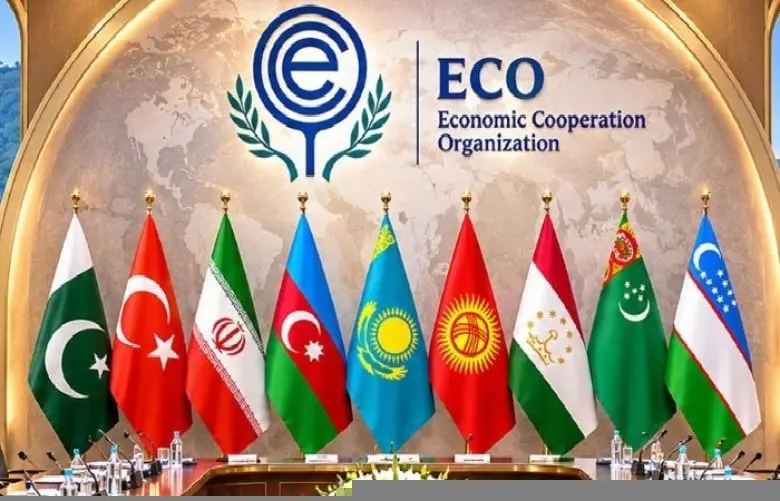
The 30th meeting of the Council of Ministers of the Economic Cooperation Organisation (ECO) was held in Islamabad, the capital of Pakistan, on November 15 and 16, but Pakistan did not invite officials of the Islamic Emirate of Afghanistan (IEA), despite Afghanistan being one of the organisation’s 10 official member states.
This comes as Zakir Jalali, second political director at the Ministry of Foreign Affairs (MoFA), said on November 15 that Afghanistan would participate in the next ECO summit, scheduled to be held in Tehran in December this year, demonstrating the country’s commitment to regional economic integration.
He said effective regional economic integration was difficult to envisage without Afghanistan.
Azerbaijan’s A-News also described Afghanistan’s absence from the ECO meeting as a challenge to regional economic integration in an analytical report published on November 16.
It questioned how regional transport projects involving Afghanistan could move forward without the participation of Afghan representatives.
Political, economic analysts have expressed similar views.
Economic affairs analyst Syed Azim Adil told Pajhwok Afghan News that Pakistan’s decision not to invite Afghanistan to the ECO meeting was inappropriate from an economic perspective, as such organisations should focus on shared economic interests rather than political differences.
He added that regional countries had opportunities to expand economic cooperation through joint transit routes and markets. Therefore, excluding Afghanistan from decisions on regional economic cooperation could negatively affect the economic opportunities of all countries concerned.
Similarly, international relations expert Abdul Malik Rashid said Afghanistan’s strategic geographical location gave it particular importance in economic connectivity and transit between Central and South Asia.
He said Afghanistan’s participation in regional economic meetings could create new opportunities for expanding trade, transport and economic cooperation.
Rashid added: “The main objective of the ECO is to promote economic cooperation among member states. Afghanistan’s role in this regard is important because the country is strategically positioned to strengthen trade and transit links among several countries in the region.”
He noted decisions on regional connectivity and transit without Afghanistan’s participation could face practical challenges. Therefore, it was in the interests of all regional countries for Afghanistan to play an active role in such meetings and economic programmes.
He also said economic cooperation should not be affected by political differences and that regional countries should engage with one another on the basis of shared economic interests.
According to him, Afghanistan’s participation would not only benefit the country’s economic growth but could also play a positive role in strengthening regional trade, stability and economic development.
Political analyst Idris Zazai also said the ECO focused on economic issues and that Afghanistan, because of its strategic geographical location and the transit and transport routes passing through it, served as a connecting bridge between regional countries.
He said: “I believe meetings focusing on regional economic structures, connectivity, transport and transit cannot produce positive results if Afghanistan is excluded. Without Afghanistan’s participation, improving the economic situation of Pakistan, India, Bangladesh, Iran, Tajikistan and the region as a whole, strengthening security measures and developing effective policies would be difficult.”
The World Bank and the UN General Assembly have also highlighted Afghanistan’s importance in regional connectivity.
On January 15, 2026, the World Bank said Afghanistan was a central link among the countries participating in the CASA-1000 project and that the project could not become operational without completion of the electricity transmission line in Afghanistan.
In a resolution adopted on July 11, 2022, the UN General Assembly recognised Afghanistan’s potential role in connecting Central and South Asia and described the country’s economic development and integration into interregional economic processes as important for sustainable peace and stability.
kk