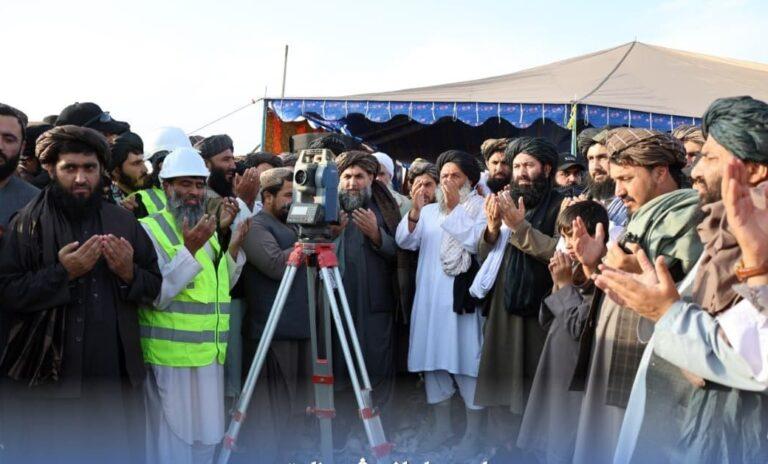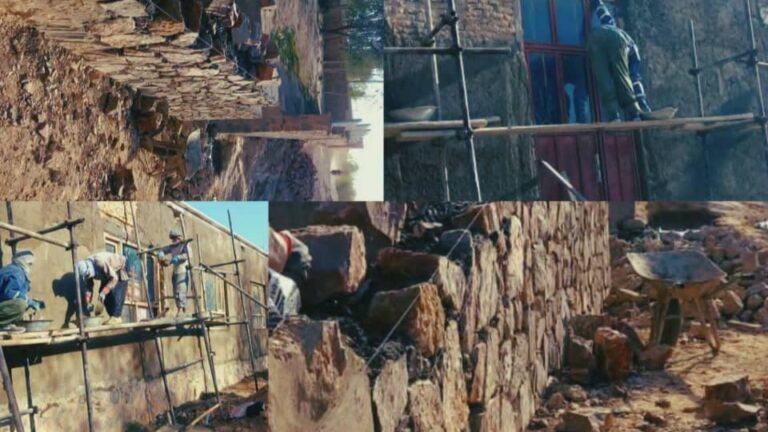

GHAZNI CITY (Pajhwok): Construction work has started on an underground commercial market worth nearly 400 million afghanis in Ghazni City, the capital of southern Ghazni province.
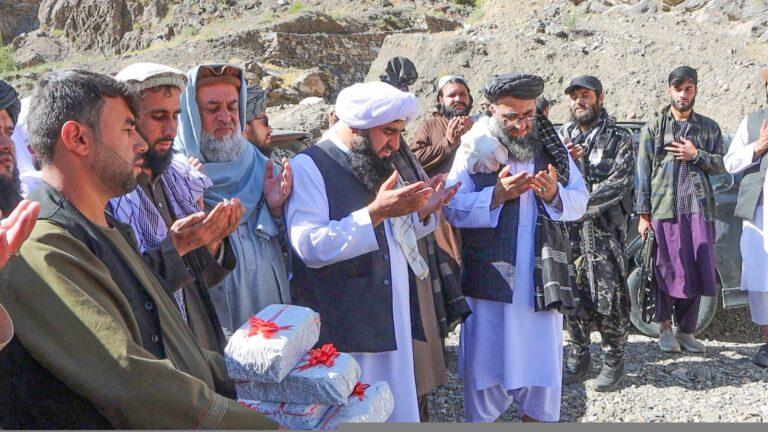
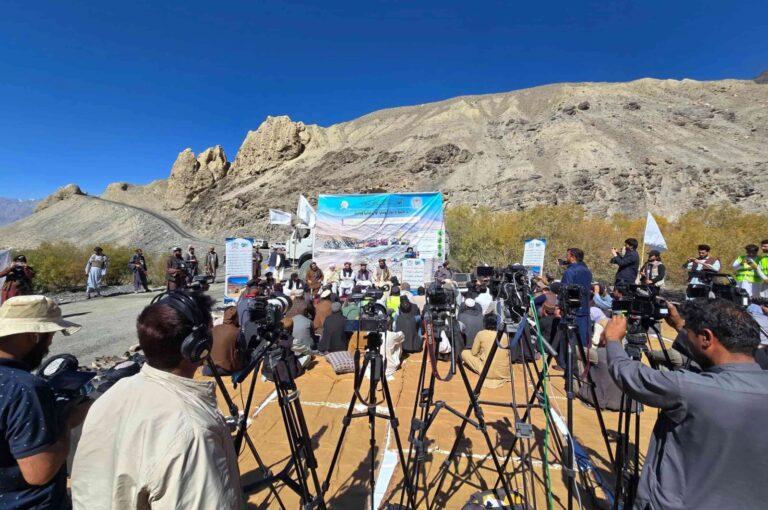
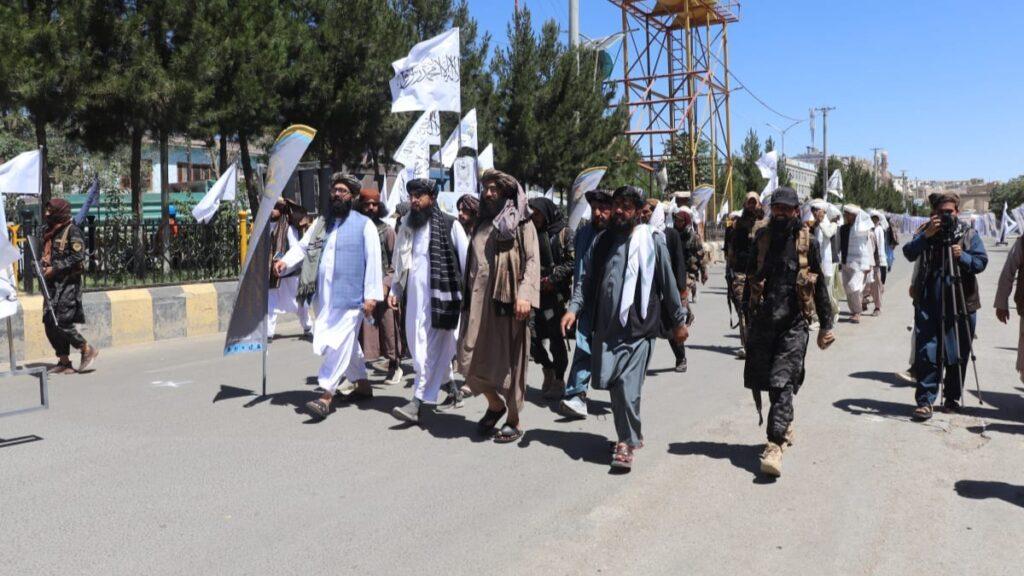
Ghazni Mayor Abu Mohammad Sabit said during a ceremony that the “Sultan Mahmood Ghaznavi Commercial Market” was an important project aimed at promoting urban development, economic growth and improving city management.
He said the market would be constructed beneath both sides of the road from Farukhi Square to Qala Sabz Square in Ghazni City through a 400 million afghani investment by the private sector.
According to the mayor, the project would create employment and investment opportunities for hundreds of people after completion.
He said around 700 commercial shops would be built as part of the project, providing traders with a modern and organised business environment.
The market will include facilities such as a mosque, hotels, security rooms, banks and other essential services, he added.
Sabit said the project would create numerous direct and indirect jobs during construction and after completion.
He described the market as one of Afghanistan’s significant urban projects, saying it would provide dedicated underground space for commercial activities while helping reduce traffic congestion and other challenges in the city centre.
The mayor expressed hope that the project would boost economic activity in Ghazni, create a suitable business environment for traders and help improve urban order in central areas.
Meanwhile, Ahmad Afghan, an engineer with the private Munir Karwan Company, said the project would be completed within two years and provide direct and indirect employment opportunities for around 4,000 people.
He said the market would have two underground levels and be equipped with all necessary facilities. According to him, it would become the largest underground commercial project in Afghanistan.
He added that construction would be carried out according to high-quality standards.
A local elder from Ghazni City, Haji Musa Saadat, told Pajhwok that traffic congestion and disorder remained major challenges in central parts of the city, but the project could help organise commercial activities and improve urban management.
kk/sa