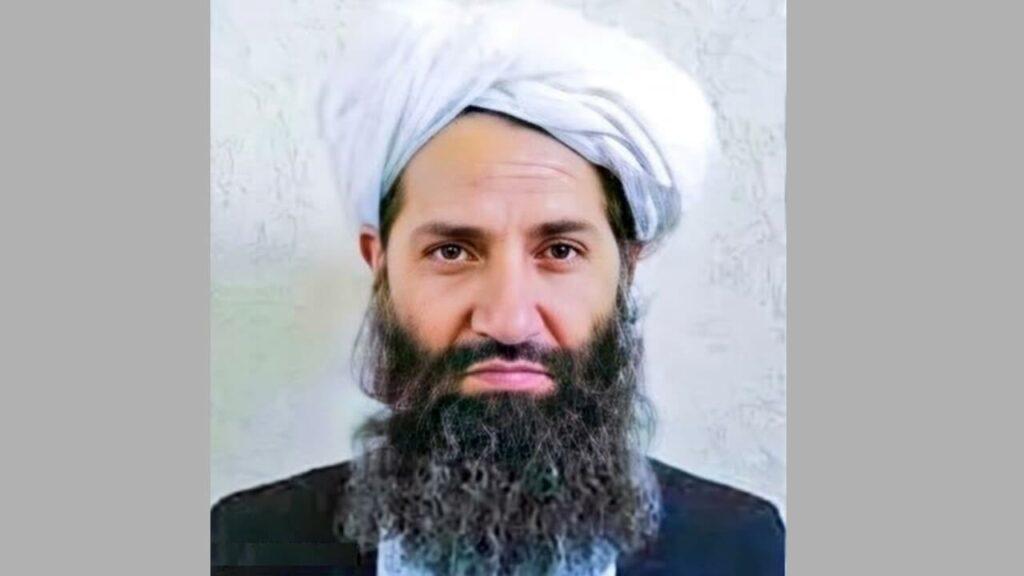

KABUL (Pajhwok): The Supreme Leader of the Islamic Emirate of Afghanistan (IEA) has instructed the Ministry of Interior (MoI) to detain those responsible for traffic accidents on the country’s highways and hand them over to the relevant courts in all cases.
Under the order, courts have been instructed to recover the rights of victims’ heirs from those responsible and hand them over to the rightful beneficiaries.
The order was published by the General Directorate of Administrative Affairs.
It states that the decision aims to ensure that those responsible for traffic accidents on Afghanistan’s highways are arrested and handed over to the courts, and that the rights of victims’ heirs and other related rights are secured.
The first article of the order states that MoI is required to arrest those responsible for traffic accidents on highways and, “in all cases,” hand them over to the relevant court.
Under the second article, the Ministry of Transport and Civil Aviation (MoTCA) has been instructed to fully cooperate with MoI in identifying and arresting those responsible for traffic accidents, collecting relevant information and documents, and handing the individuals over to the court.
The third article of the order sets out specific instructions for the courts.
According to the article, courts must deal with the aforementioned traffic accident cases in accordance with Fatwa No. 242, issued by the Central Darul Ifta (Central Fatwa Office).
The order also stresses that courts must recover all rights belonging to minor and absent heirs of victims of traffic accidents from the person or persons responsible and hand them over to the rightful beneficiaries.
The IEA Supreme Leader has also instructed courts to give cases covered by the order priority over other cases and take the necessary steps to ensure their prompt registration, investigation, adjudication and issuance of rulings.
Another section of the order states that the submission of a “statement of claim and defence” has not been made mandatory for the registration and judicial handling of such cases. Courts may instead proceed in accordance with the fatwa of the Central Darul Ifta and relevant Sharia principles.
The order does not provide details about the type of punishment to be imposed on those responsible for traffic accidents or how a driver’s level of responsibility should be determined in each accident.
kk/sa