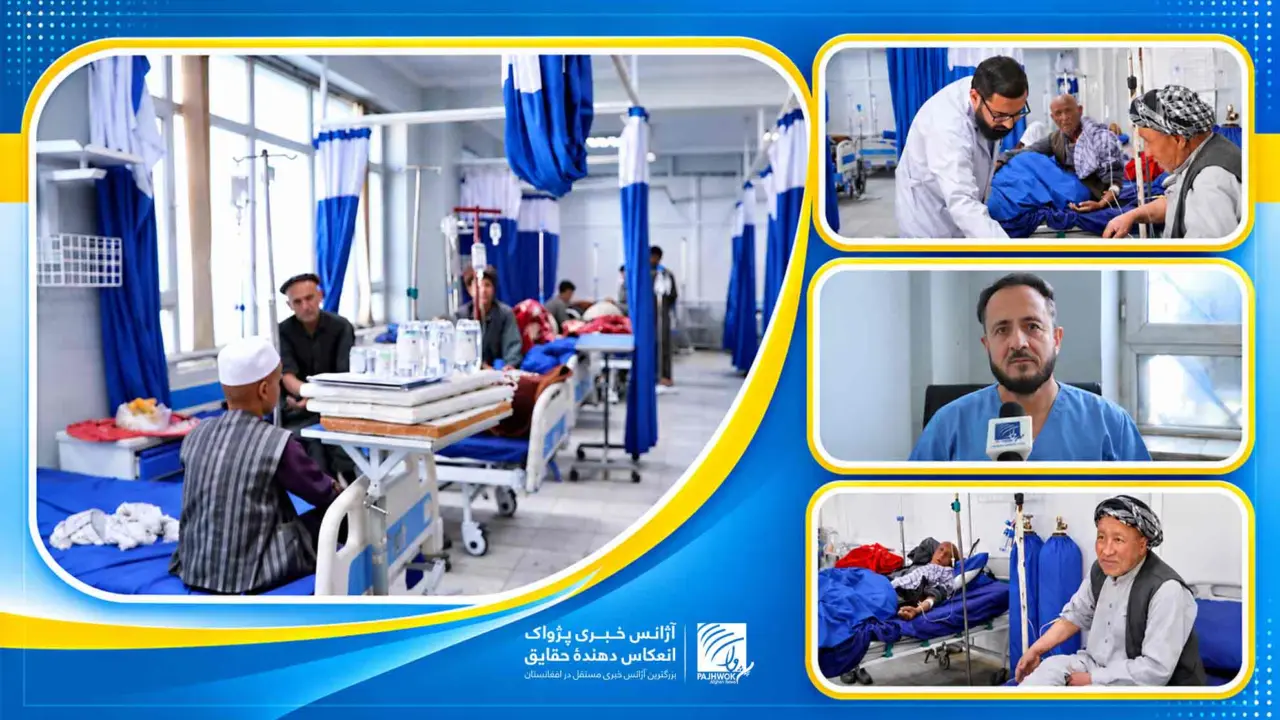
KABUL (Pajhwok): Dozens of cancer patients visit the National Cancer Diagnosis and Treatment Hospital in Kabul every day to receive diagnostic, surgical and chemotherapy services. However, the absence of radiotherapy facilities remains one of the hospital’s major shortcomings.
The Ministry of Public Health (MoPH) says efforts are underway to make this service operational.
A Pajhwok Afghan News reporter has prepared a report on the services provided at the hospital.
Some patients and their attendants explain that, alongside the pain and difficulties caused by the disease, they face high treatment costs and financial problems, sometimes having to borrow money to cover their medical expenses.
While appreciating the services provided at the hospital, they have called for advanced equipment, particularly a radiotherapy machine and expanded specialist services to ease the difficulties faced by cancer patients across the country.
Hospital officials say the number of patients visiting the facility is increasing, with more than 41,000 registered during the first six months of 2026. They acknowledge that, despite the medical services available, the lack of radiotherapy facilities remains one of the hospital’s major shortcomings.
What is radiotherapy, how important is it in cancer treatment?
Medical specialists explain that radiotherapy is one of the important methods of cancer treatment. It uses high-energy radiation to destroy cancer cells or prevent them from growing. Depending on the type and stage of the disease, it can be used alone or alongside surgery and chemotherapy.
Existing services, challenges
The National Cancer Diagnosis and Treatment Hospital was established in 1404 solar year and has a capacity of 200 beds. It provides diagnostic, surgical and chemotherapy services.
Dr. Rahimullah Sultani, a general surgeon and cancer specialist at the hospital, told Pajhwok that a cancer treatment department had been established in a small section of Kabul’s Jamhuriat Hospital 10 years ago and had remained operational until last year. However, in February 2026, it was upgraded to an independent hospital, which currently has 180 staff members working in different departments.
He explained that, despite providing diagnostic, surgical and chemotherapy services, the hospital still faced shortages of medical equipment, specialists and healthcare personnel.
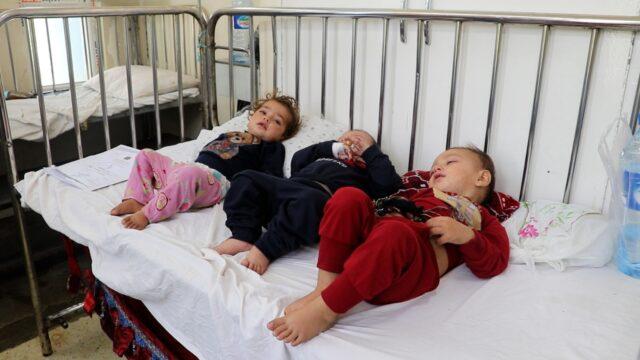
According to him, 18 beds are operational in the hospital’s emergency department, where patients are admitted for chemotherapy and return home after receiving treatment.
He noted that the hospital had several diagnostic departments, including a well-equipped laboratory, a pathology unit, an endoscopy unit for diagnosing cancers of the digestive system, and an operating theatre. Construction of the intensive care unit (ICU) building is also underway and it is expected to be inaugurated soon.
He added that a mammography machine had arrived at the hospital and was being prepared for operation.
However, Dr. Sultani also highlighted the hospital’s shortages and needs.
“One of our major shortcomings is the lack of a radiotherapy department, which is also a major challenge across Afghanistan. We also do not have computed tomography (CT) scanning or magnetic resonance imaging (MRI) services, although commitments have been made to provide these two facilities. They have not yet become operational,” he said.
Dr. Sultani described the shortage of specialist staff as another challenge, explaining that the hospital currently had no specialists in cancers of the brain, lungs, spine and eyes. However, the MoPH had approved a staffing structure for the hospital, and recruitment was underway.
He added that the centre also faced shortages of medicines, but some organisations and charitable businesspeople were helping procure cancer medicines, which were distributed to patients free of charge. India had also recently donated a quantity of medicines to the hospital.
He expressed hope that cancer medicines would be produced domestically in the future, helping address some of the existing problems.
Increase in patients visiting Kabul’s National Cancer Diagnosis, Treatment Hospital
According to Dr. Rahimullah Sultani, a total of 41,723 patients were registered at the hospital during the first six months of 2026. Of them, 21,135 were admitted, while another 20,588 received outpatient services.
He added that 32,743 patients had visited the hospital throughout 2025-26, including 6,546 inpatients and 26,197 outpatients.
He also noted that 134 deaths had been recorded at the hospital during the first six months of 2026, compared with 103 throughout 2025-26.
Meanwhile, Dr. Ahmad Javid Zarang, a cancer specialist at the hospital, explained that the number of patients seeking treatment had increased. Due to travel restrictions and difficulties travelling abroad, some patients who had previously sought treatment in neighbouring countries were now turning to medical centres inside Afghanistan.
He stressed that the number of patients had increased two to threefold, but the available medical staff and specialists were insufficient to deal with the growing number. Shortages of medical equipment and diagnostic facilities were also a concern.
Nasir Ahmad Zazi also highlighted the increase in cancer patients visiting the hospital.
He explained that, because the route between Pakistan and Afghanistan was closed, many patients were unable to travel abroad and were now seeking treatment at the hospital.
High treatment costs, another concern for patients
Ayesha, a resident of Kunduz province who is being treated for breast cancer, told Pajhwok that she had been receiving treatment at the hospital for the past year.
She expressed concern about her financial situation, adding that she had so far spent 100,000 afghanis on her treatment.
Latifa, a resident of Kabul, explained that she had travelled to Pakistan for treatment a year ago after being diagnosed with breast cancer and had undergone surgery there. However, following the closure of routes to Pakistan, she was now receiving treatment at the hospital.
“We have spent more than 400,000 afghanis on my treatment so far, and most of this money was borrowed,” she said.
Dilawar, originally from Bamyan province and an inpatient at the hospital, explained that all stages of his treatment had been carried out at the facility.
“Seven years ago, a small lump appeared on my leg. I visited doctors several times, but they told me there was nothing to worry about. It gradually grew and began to hurt, so I came here. The doctors examined me and diagnosed cancer. I was admitted and underwent surgery here. Thankfully, the wound on my leg has now healed. I am very satisfied with the services provided by this hospital,” he said.
“We have not even bought a single pill from the market; everything is free. We have only spent some money on transport and accommodation for my attendant,” he added.
Efforts underway to activate radiotherapy services: MoPH
Dr. Sharafat Zaman, spokesman for MoPH, explained that cancer treatment had not received sufficient attention in the country in the past. However, a 200-bed cancer hospital was now operational in Kabul, along with 50-bed hospitals in four zones of the country.
He added that establishing 50-bed cancer hospitals in Kunduz and Paktia provinces was also included in the ministry’s plans.
According to him, diagnostic, internal medicine, pathology, urology, surgical, oncology and chemotherapy services were currently available at the relevant centres, while efforts were underway to activate radiotherapy services in Kabul.
Zaman noted that no accurate survey had yet been conducted on the number of cancer patients in the country, but efforts were being made to carry out a comprehensive survey.
He added that many patients had previously travelled to neighbouring countries for treatment, but efforts were now being made to address some of this need by expanding services inside Afghanistan.
kk